
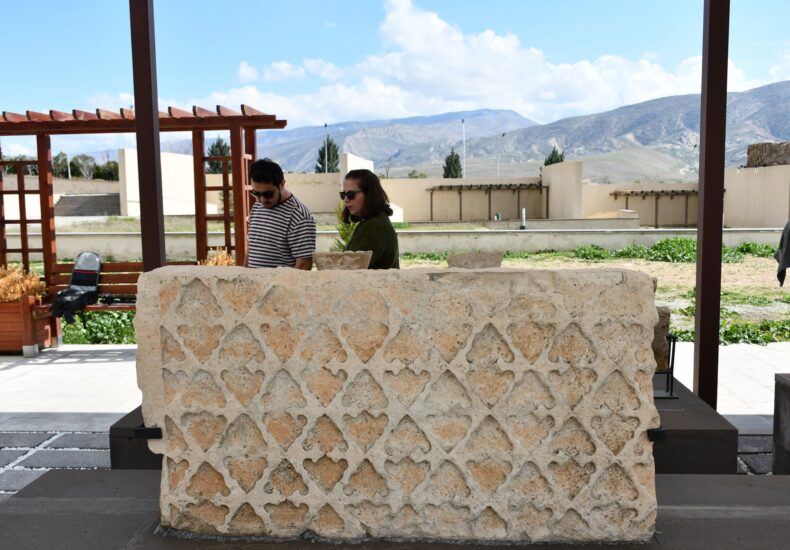
147 Artifacts from 10,000-Year-Old Hasankeyf Go on Public Display for the First Time
For the first time, 147 archaeological artifacts unearthed in Hasankeyf are now on public display, offering visitors a rare, long-overdue encounter with one of Upper Mesopotamia’s deepest historical archives. Previously kept in storage, the collection has been brought into view as part of a new exhibition initiative at the Hasankeyf Museum.
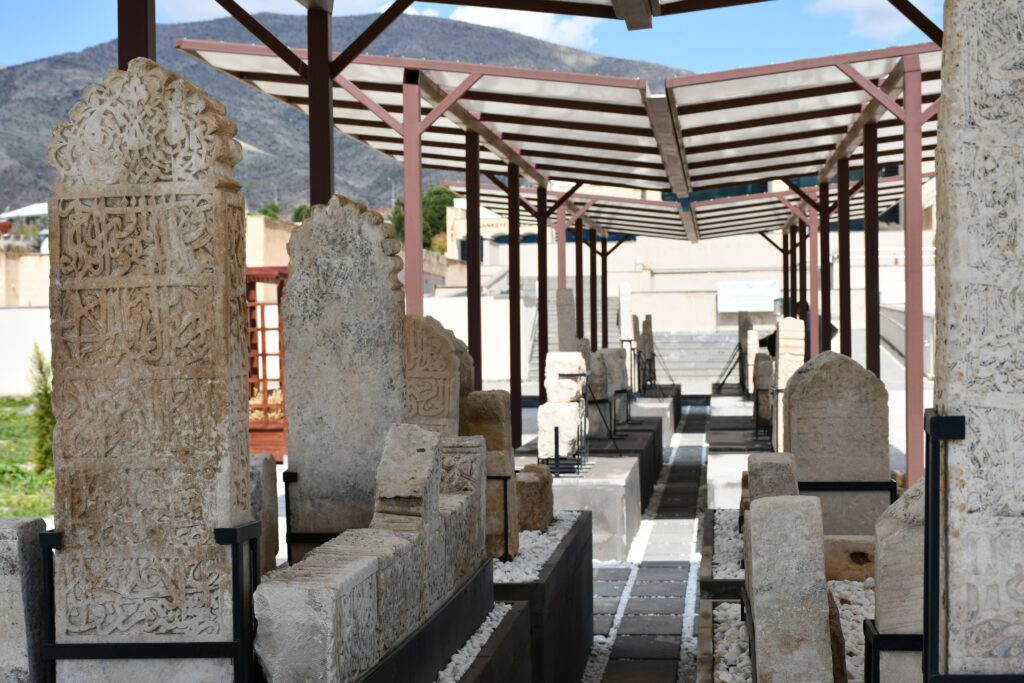
The display forms the core of the “Hasankeyf Museum Tourism Development and Semi-Open Stone Exhibition Project,” designed to make previously inaccessible finds available to a wider audience. After approximately eight months of careful conservation and restoration, the artifacts—some dating back as far as 10,000 BCE—have been installed in two semi-open exhibition areas within the museum grounds.
From Storage to Public View
According to museum director Şeyhmus Genç, the initiative responds to a long-standing limitation: while thousands of artifacts have been recovered through excavations in Hasankeyf and its surroundings, only a fraction could previously be exhibited.
He noted that some of the earliest finds—particularly those from the Pre-Pottery Neolithic period—had remained in storage for years, despite their historical significance. The new project aims to reverse that imbalance by prioritizing visibility without compromising preservation standards.
📣 Our WhatsApp channel is now LIVE! Stay up-to-date with the latest news and updates, just click here to follow us on WhatsApp and never miss a thing!!
The conservation phase, lasting roughly eight months, focused not only on stabilizing the materials but also on adapting them for outdoor or semi-open display conditions—an approach particularly suited to large stone objects.
A Layered Record of Life and Death
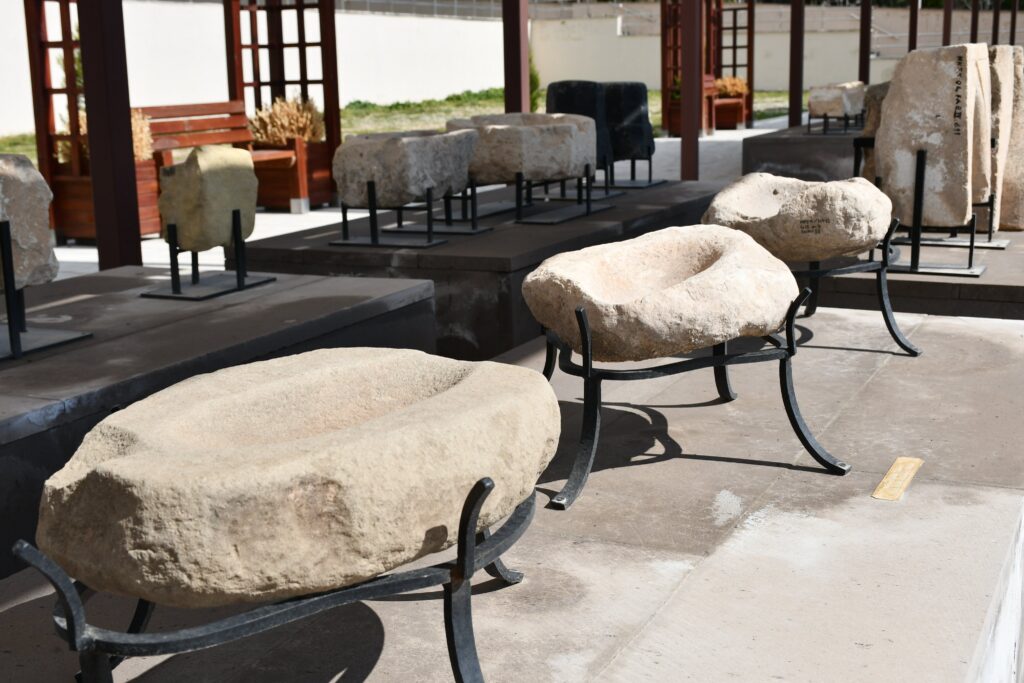
The newly opened exhibition brings together a diverse range of stone artifacts, including tombstones, sarcophagi, grinding stones, and architectural fragments. Taken together, they form a multi-layered record of daily life, production, and mortuary practices across millennia.
What makes Hasankeyf exceptional is not just the age of its earliest finds, but the continuity of settlement. From Neolithic communities to medieval Islamic urban life, the site preserves an unusually long and uninterrupted cultural sequence along the Tigris River corridor—one of the key arteries of ancient Mesopotamia.
This chronological depth allows the exhibition to function not simply as a display of objects, but as a compressed narrative of human adaptation, belief systems, and material culture evolving over ten millennia.
A New Phase for Cultural Tourism
The semi-open exhibition model adopted by the museum reflects a broader shift in how large archaeological materials are presented. By moving beyond traditional indoor vitrines, the museum enables visitors to experience the scale and texture of stone artifacts more directly, while maintaining necessary conservation controls.
Officials expect the new exhibition areas to significantly increase visitor engagement and extend the museum’s role within regional tourism. For Hasankeyf—already known for its dramatic landscape and layered heritage—the project marks a strategic step toward making its deeper past more visible and accessible.
- A 1700-year-old statue of Pan unearthed during the excavations at Polyeuktos in İstanbul
- The granary was found in the ancient city of Sebaste, founded by the first Roman emperor Augustus
- Donalar Kale Kapı Rock Tomb or Donalar Rock Tomb
- Theater emerges as works continue in ancient city of Perinthos
- Urartian King Argishti’s bronze shield revealed the name of an unknown country
- The religious center of Lycia, the ancient city of Letoon
- Who were the Luwians?
- A new study brings a fresh perspective on the Anatolian origin of the Indo-European languages

- Perhaps the oldest thermal treatment center in the world, which has been in continuous use for 2000 years -Basilica Therma Roman Bath or King’s Daughter-
- The largest synagogue of the ancient world, located in the ancient city of Sardis, is being restored
Leave a Reply