
At Sefertepe, Tiny Carvings and a 10,000-Year-Old Skull Room Reveal an Unexpected Symbolic World
The first days of the 2025 excavation season at Sefertepe were expected to bring steady progress, not paradigm-shifting discoveries. Yet on a gentle rise overlooking the plains of Viranşehir, two deceptively small finds—a micro-carved basalt bead and a compact limestone block with dual faces—have redirected scholarly attention toward this lesser-known corner of the Taş Tepeler cultural zone. Their faces, carved with striking precision, and a nearby chamber filled with 10,000-year-old human skulls offer a vivid glimpse into a symbolic world that operated on both monumental and intimate scales.
A Quiet Site Steps Out of the Shadow of Taş Tepeler
Sefertepe occupies a landscape shaped by the Pre-Pottery Neolithic communities responsible for some of the world’s most iconic ritual architecture. Historically overshadowed by Göbeklitepe, Karahantepe, and Sayburç, the site is now revealing that its importance lies not in monumental enclosures but in the meticulous, personal, and sometimes unsettling ways its people expressed belief and identity.
Two Faces Carved Into a Single Stone
📣 Our WhatsApp channel is now LIVE! Stay up-to-date with the latest news and updates, just click here to follow us on WhatsApp and never miss a thing!!
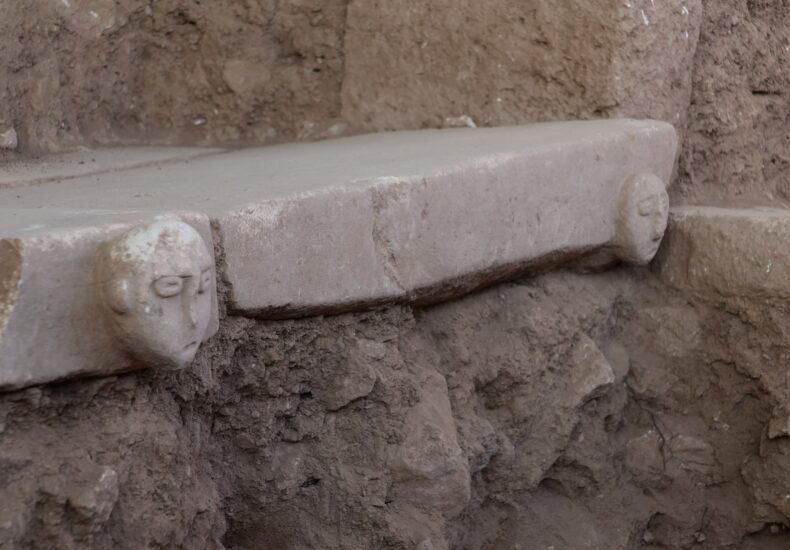
A breakthrough emerged when the team uncovered a small limestone block carved with two human faces. One appears bold and confident, carved in high relief. The other, etched in much shallower form, feels almost spectral. The contrast is deliberate, suggesting shifting conceptual states—life and death, presence and absence, or transformation between human and ancestral identities. The block’s experimental aesthetic hints at a distinct local artistic tradition.
A Micro-Carved Bead With Remarkable Precision
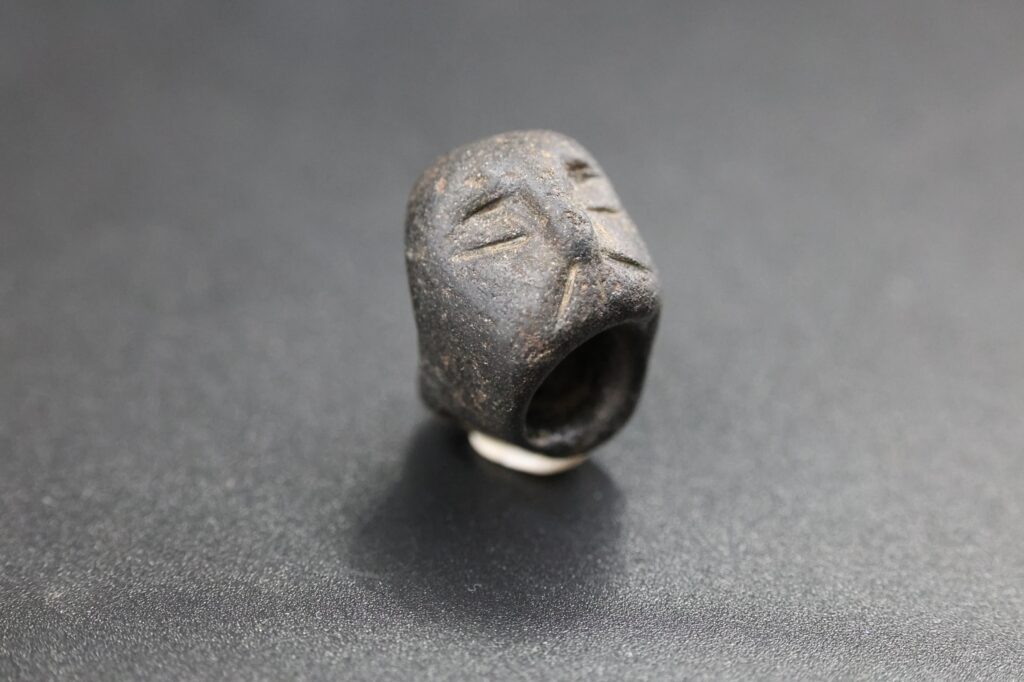
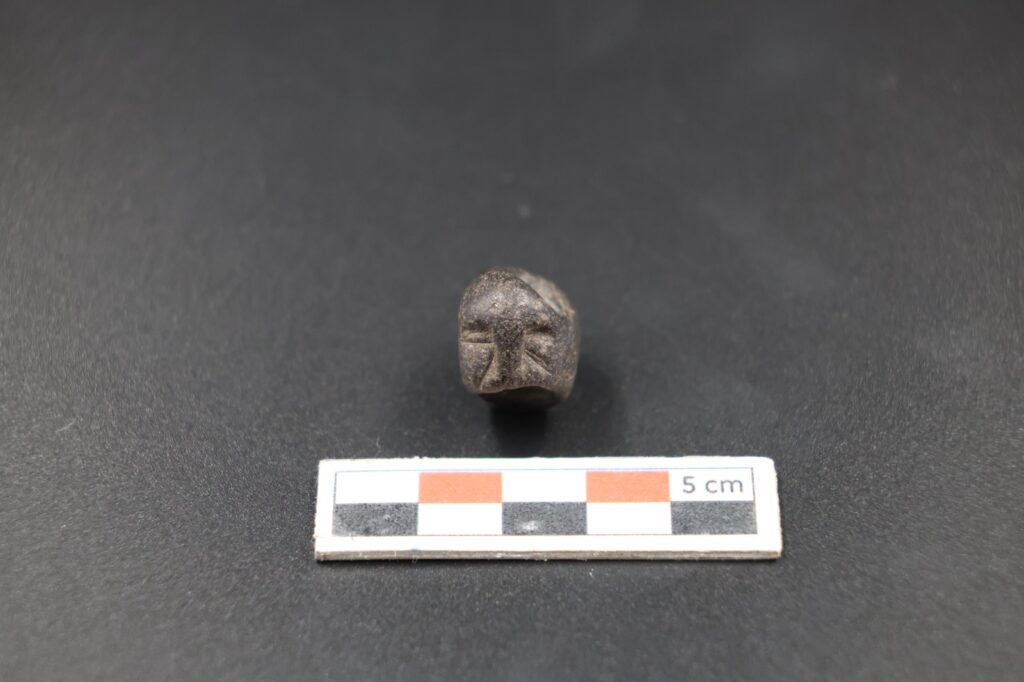
Even more remarkable is the pebble-sized basalt bead carved with two miniature human faces, one on each side. At only a few centimeters in size, its precision is extraordinary for the early Neolithic Near East. Whether worn, exchanged, or used as a ritual object, the bead shows that symbolic expression extended into the most portable elements of daily life.
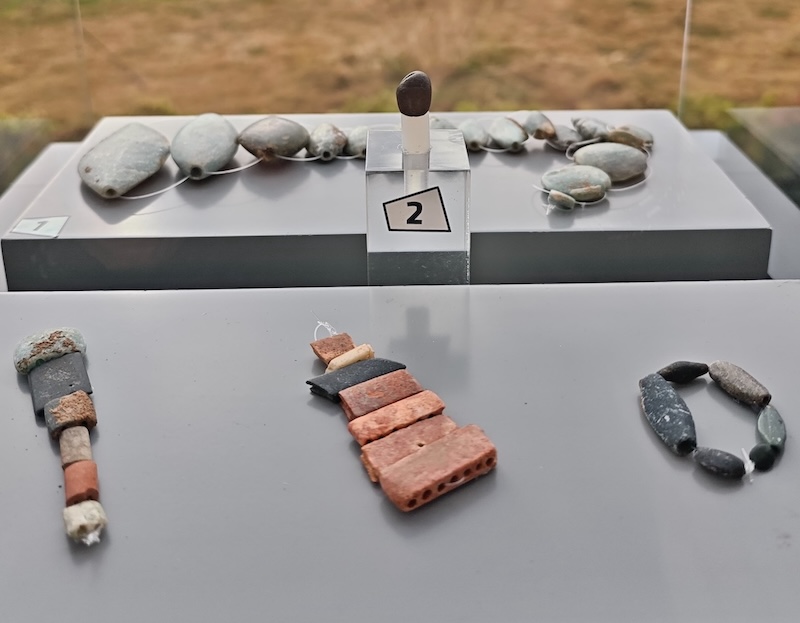
Its broader context further enriches the picture. Beads made from jade and labradorite—materials not native to the region—indicate long-distance exchange networks or specialized procurement routes. Snake-head beads and incised geometric forms reveal a rich symbolic vocabulary. As excavation director Assoc. Prof. Emre Güldoğan notes, the assemblage makes clear that Sefertepe was never isolated.
A 10,000-Year-Old Skull Room With a Distinct Ritual Logic
Symbolism at Sefertepe was not limited to beads or carved stones. The most haunting discovery lies in mortuary practice. In 2024, the team revealed a compact chamber containing 22 human skulls, intentionally placed and without mandibles or post-cranial bones. The careful selection indicates deliberate ritual curation. The space has been identified as the “skull room.”
Just meters away, another cluster contained seven skulls with full skeletal remains, marking a different approach to burial. The juxtaposition of these two traditions suggests a community negotiating remembrance and identity through multiple, coexisting rituals. Across Taş Tepeler, skulls appear in symbolic contexts, but Sefertepe’s dual mortuary system—fragmentation beside wholeness—appears unique.
A Symbolic World Expressed Across Multiple Scales
Taken together, the season’s discoveries show a site where symbolism permeated every scale of material culture. Stone blocks conveyed layered imagery. Micro-carved beads captured personal or ritual identities. Mortuary spaces encoded narratives of transformation and commemoration. Rather than existing in the shadow of its monumental neighbors, Sefertepe now emerges as a key site for understanding the diversity of early Neolithic belief systems.
As research expands, Sefertepe is poised to reshape interpretations of ritual, memory, and symbolic expression in early Anatolia. Its discoveries demonstrate that some of the most profound ideas of the ancient world were not expressed through the largest structures but through the smallest, most intentionally crafted objects.
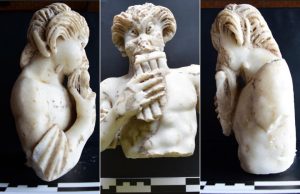
- A 1700-year-old statue of Pan unearthed during the excavations at Polyeuktos in İstanbul
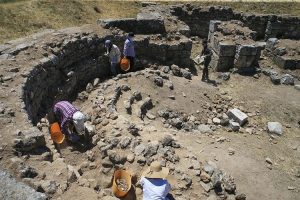
- The granary was found in the ancient city of Sebaste, founded by the first Roman emperor Augustus
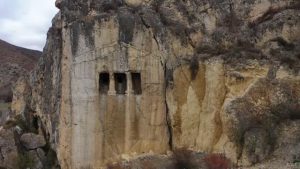
- Donalar Kale Kapı Rock Tomb or Donalar Rock Tomb
- Theater emerges as works continue in ancient city of Perinthos

- Urartian King Argishti’s bronze shield revealed the name of an unknown country
- The religious center of Lycia, the ancient city of Letoon
- Who were the Luwians?

- A new study brings a fresh perspective on the Anatolian origin of the Indo-European languages

- Perhaps the oldest thermal treatment center in the world, which has been in continuous use for 2000 years -Basilica Therma Roman Bath or King’s Daughter-
- The largest synagogue of the ancient world, located in the ancient city of Sardis, is being restored
Leave a Reply