Villagers Used Stones from a Zeus Temple to Build Their Homes
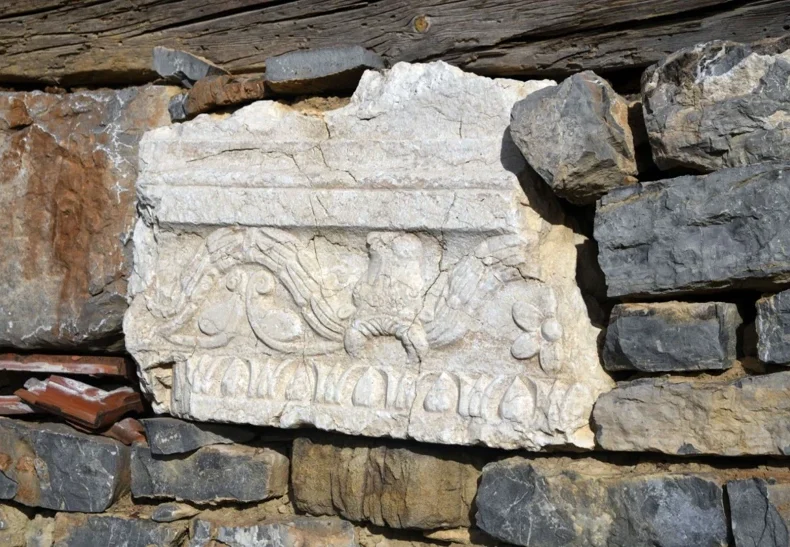
In northern Anatolia, the remains of an ancient Roman sanctuary have resurfaced in a way few would expect. In the Daday district of Kastamonu, villagers once took stones from a temple dedicated to Zeus and reused them in the construction of their homes, embedding fragments of a sacred monument into everyday domestic architecture.
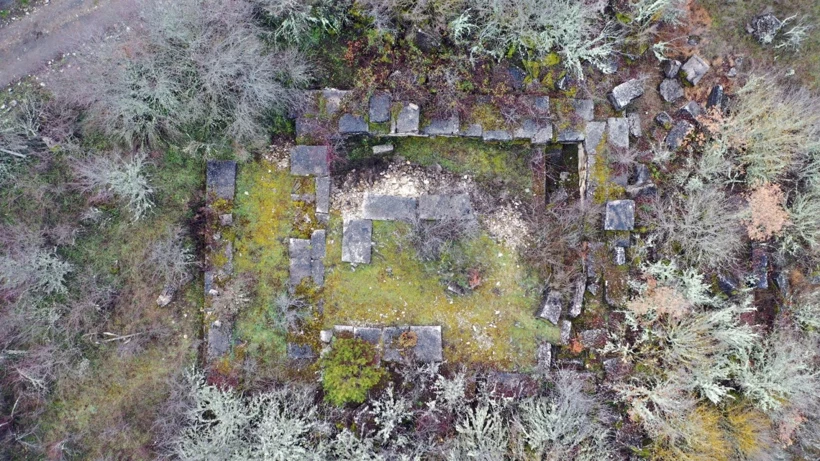
The site is known as the Meyre Zeus Temple and lies within the boundaries of Aktaştekke village’s Meyre Quarter. While only limited remains of the temple are still visible at the original location, many of its carved blocks continue to exist—built into house foundations and walls across the village.
An Inscription Anchored in the Roman Imperial Period
The historical identity of the temple is clarified by an inscription now preserved in the garden of the Kastamonu Museum Directorate. According to the text, the sanctuary was founded during the reign of Caracalla, one of the most influential rulers of the Roman Empire. Construction was initiated by a priest named Gaios and completed in AD 279 by his son, Alexandros.
This inscription confirms that the structure was not a minor rural shrine but a formally established temple connected to the imperial religious landscape of Roman Anatolia.
📣 Our WhatsApp channel is now LIVE! Stay up-to-date with the latest news and updates, just click here to follow us on WhatsApp and never miss a thing!!
From Sacred Architecture to Building Material
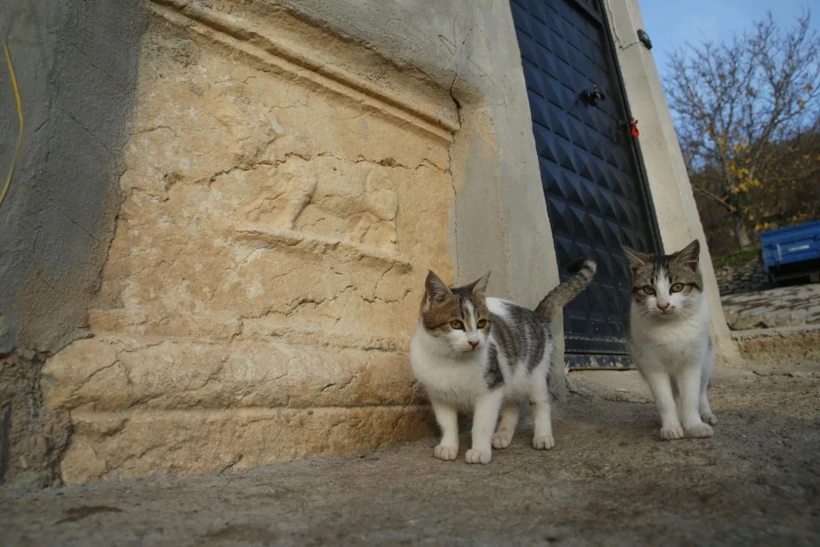
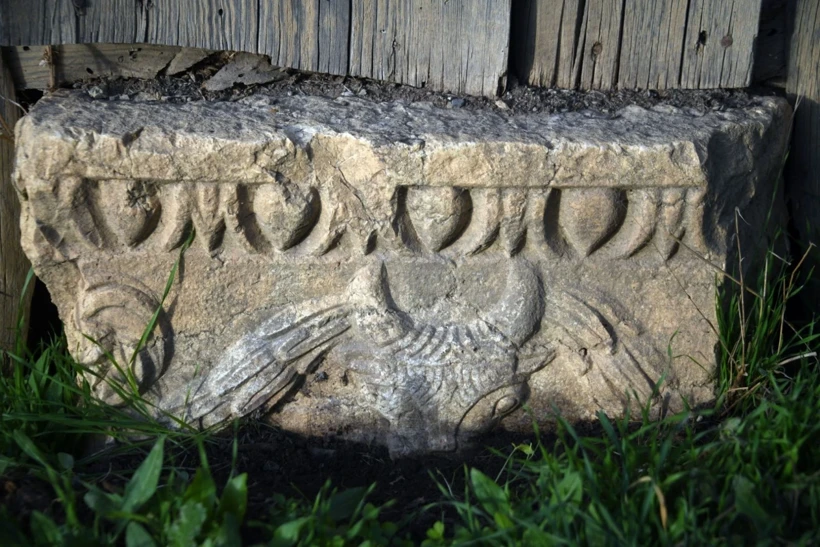
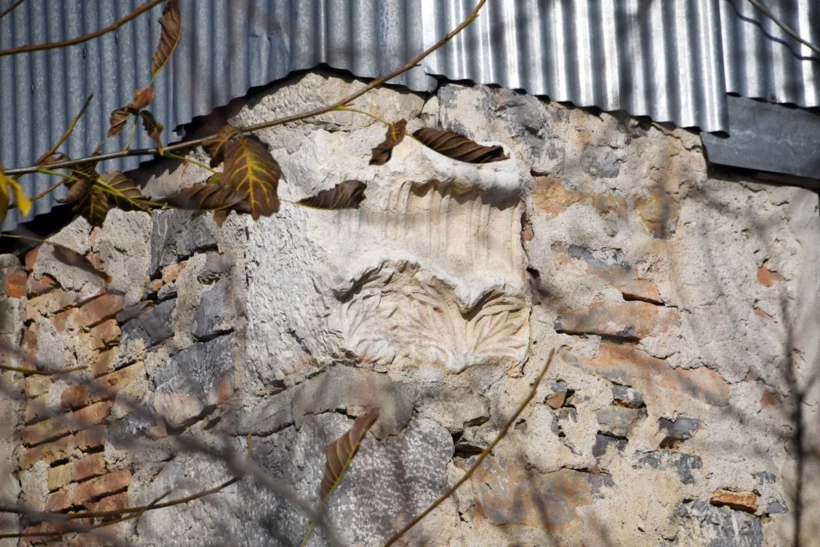
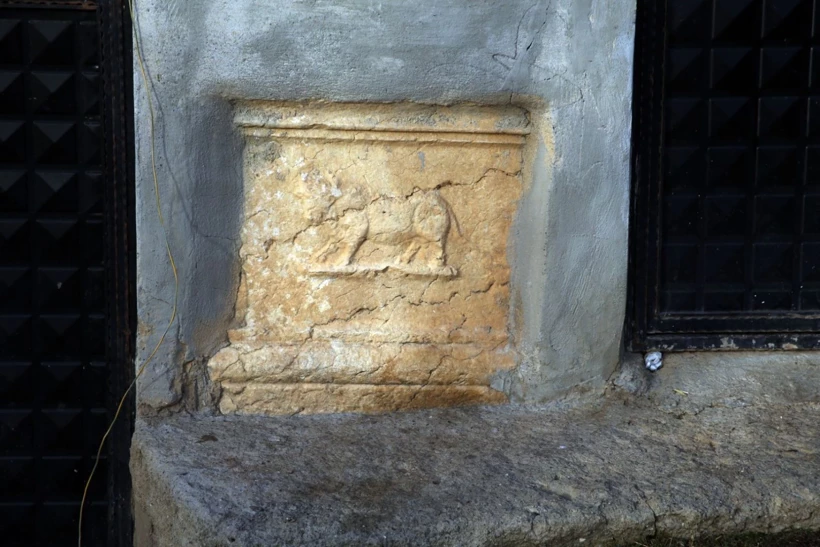
Years ago, long before the archaeological value of the site was widely recognized, villagers made practical use of the fallen stones scattered around the ruins. Large, well-cut blocks were taken and incorporated into houses as foundations or wall material. Some of these stones still preserve relief decoration, including vegetal motifs, animals, and figural imagery, hinting at the temple’s original visual richness.
Later, recognizing their importance, the Kastamonu Museum Directorate carried out a registration process. Relief stones were individually numbered and officially recorded, even when they were already embedded in standing houses. As a result, Roman sculptural elements remain visible today in places where no one would normally expect to find them.
“They Are in Safe Hands”
Local residents emphasize that the stones are not neglected. Aktaştekke village headman Mustafa Çetin explains the community’s approach clearly:
“If work is carried out here again, it would be very important for regional tourism. We try to take the best possible care of these stones. When documentation was done, the museum registered them one by one. One of those relief stones is in the foundation of my own house. We protect them like our eyes. They are in safe hands.”
Another villager, Cemal Çetin, recalls how the stones were reused years ago, before their significance was fully understood:
“Some of these stones were taken and used in houses long ago. They are under our protection now. We take care of them, and we want archaeological excavations to be carried out at the temple.”
Living with the Remains of a God
For Necmettin Şahin, whose family home also contains temple stones, the presence of antiquity is part of daily life:
“We have a house inherited from our father. In its foundation, there are stones from the temple. We touch them—they just stay there. On some, there are shapes like pictures: trees, animals, different figures.”
His words reflect how Roman religious imagery has survived not behind museum glass, but within the lived environment of the village.
A Familiar Pattern, a Striking Example
Across Anatolia, the reuse of ancient building material is a well-documented historical practice. Temples, theatres, and public buildings often became convenient stone sources once their original functions faded. What makes the Meyre Zeus Temple particularly striking is how clearly this process can still be traced—and how openly it is acknowledged and protected by the local community.
Here, fragments of a Roman sanctuary dedicated to Zeus have endured not through monumental preservation, but through everyday use. The village of Aktaştekke stands as a reminder that in Anatolia, the ancient past often survives in the most unexpected form—sometimes quite literally forming the foundations of modern homes.
- A 1700-year-old statue of Pan unearthed during the excavations at Polyeuktos in İstanbul
- The granary was found in the ancient city of Sebaste, founded by the first Roman emperor Augustus
- Donalar Kale Kapı Rock Tomb or Donalar Rock Tomb
- Theater emerges as works continue in ancient city of Perinthos
- Urartian King Argishti’s bronze shield revealed the name of an unknown country
- The religious center of Lycia, the ancient city of Letoon
- Who were the Luwians?
- A new study brings a fresh perspective on the Anatolian origin of the Indo-European languages
- Perhaps the oldest thermal treatment center in the world, which has been in continuous use for 2000 years -Basilica Therma Roman Bath or King’s Daughter-
- The largest synagogue of the ancient world, located in the ancient city of Sardis, is being restored
Leave a Reply