1,500-Year-Old Greek Inscription Mosaic Reading “Let the Envious Burst” Discovered in Syedra
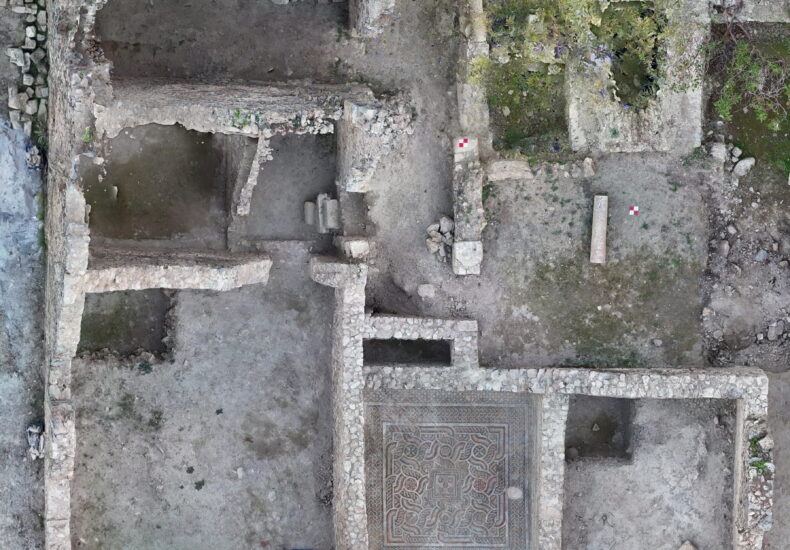
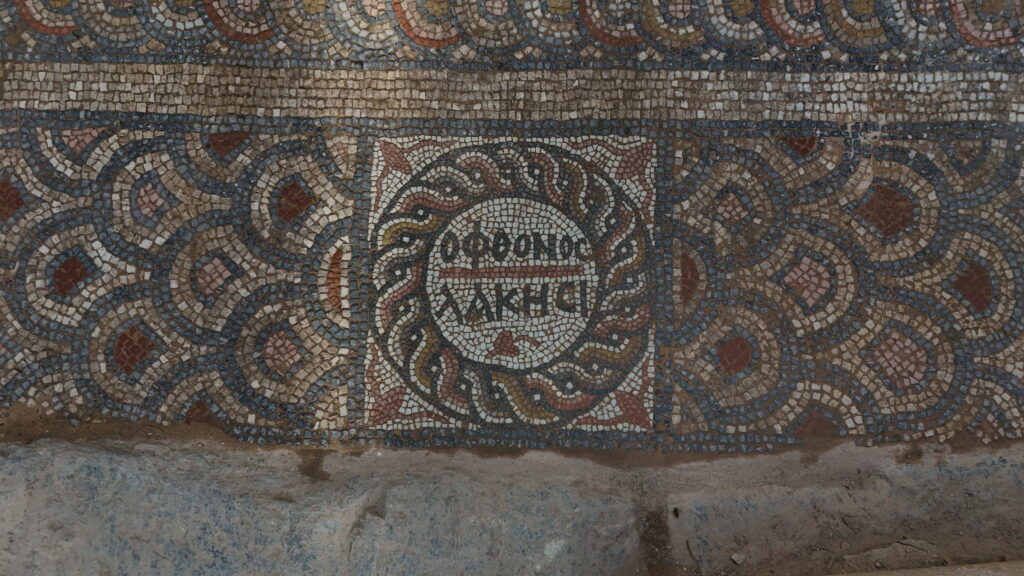
A 1,500-year-old mosaic with Greek inscriptions has been uncovered in the ancient city of Syedra, near Alanya on Türkiye’s Mediterranean coast. The well-preserved floor mosaic, discovered during ongoing archaeological excavations, features decorative geometric and vegetal motifs accompanied by two striking inscriptions, including one that can be translated as “Let the envious burst.”
The discovery provides a rare glimpse into the language, humor, and social expressions embedded in domestic spaces during Late Antiquity.
Mosaic Found in a Residential Building
Archaeological work at Syedra continues as part of the Heritage for the Future Project, carried out with the support of the Turkish Ministry of Culture and Tourism and the General Directorate of Cultural Heritage and Museums.
Excavations at the site are directed by Assoc. Prof. Dr. Ertuğ Ergürer of Alanya Alaaddin Keykubat University. According to Ergürer, the mosaic was discovered during excavations in a large residential complex within the ancient city.
📣 Our WhatsApp channel is now LIVE! Stay up-to-date with the latest news and updates, just click here to follow us on WhatsApp and never miss a thing!!
The structure appears to have undergone several phases of modification and reuse over centuries. Archaeological evidence suggests that the building remained in use from the 2nd century AD until the 7th century AD, reflecting the long occupation history of Syedra during both the Roman and Byzantine periods.
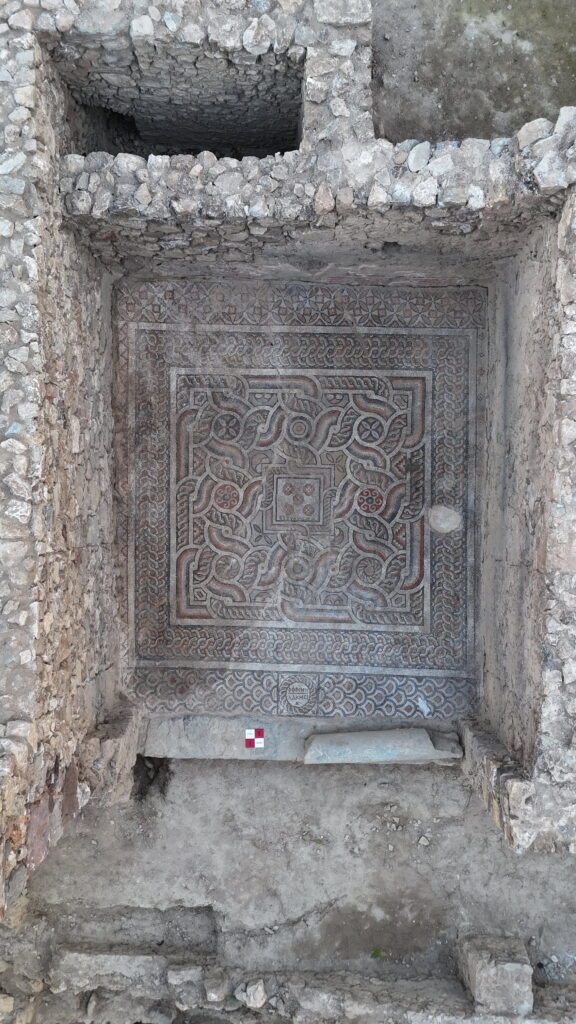
Within the entrance area of the building, archaeologists uncovered a square mosaic floor measuring approximately 4.5 by 4.5 meters, which stylistic and archaeological analysis places in the 5th–6th centuries AD.
Two Greek Inscriptions Embedded in the Mosaic
The mosaic is notable not only for its decorative design but also for the two Greek inscriptions incorporated into its layout.
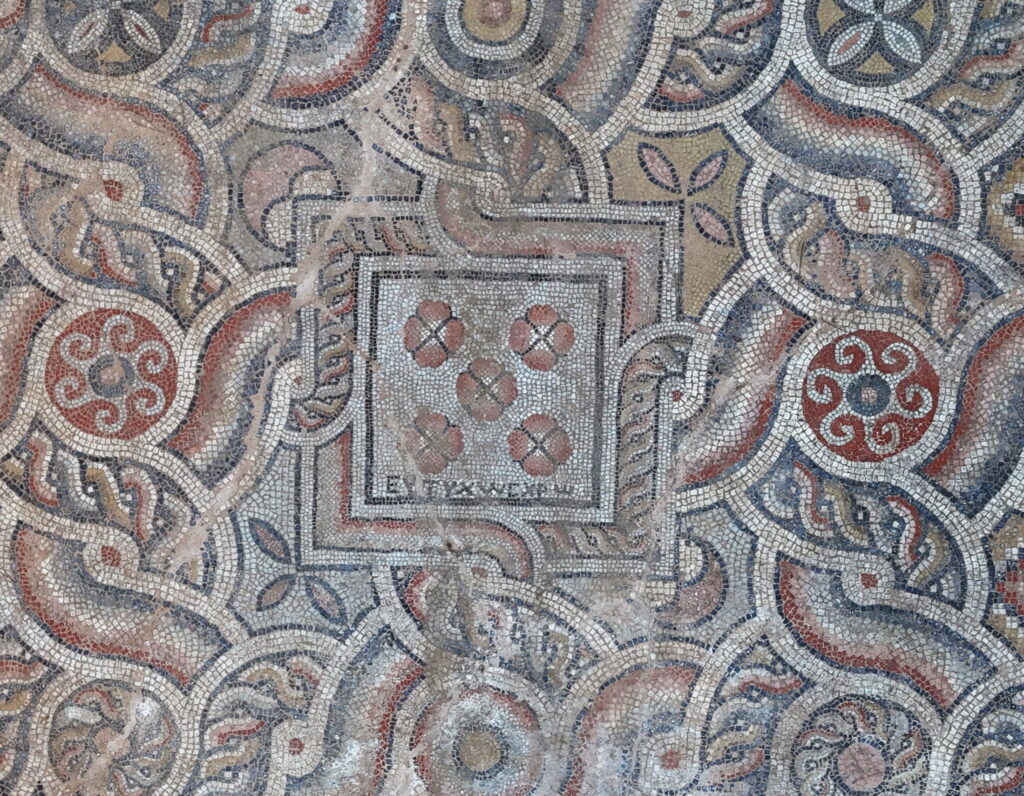
The central panel contains a phrase that can be translated as “Use it in good health,” a common expression in Late Antique domestic contexts that likely welcomed visitors entering the house.
A second inscription appears in the southern section of the mosaic and reads “Let the envious burst.” The phrase likely reflects a sentiment of pride or playful defiance, suggesting that the homeowner wished to display prosperity or success in a way that acknowledged potential jealousy from others.
Such expressions are rarely preserved so clearly in domestic settings, making the Syedra mosaic a particularly intriguing example of how personal attitudes and social messages could be embedded within architectural decoration.
Domestic Mosaics and Social Messaging in Late Antiquity
Mosaics were among the most prestigious forms of interior decoration in the Roman and Byzantine worlds. Wealthy households frequently commissioned elaborate mosaic floors not only to display artistic taste but also to convey messages to guests.
In many Late Antique homes across the eastern Mediterranean, entrance mosaics included greetings, blessings, or expressions of hospitality. These inscriptions functioned almost as permanent welcome messages placed at the threshold of the house.
The Syedra mosaic appears to follow this tradition while adding a more personal tone. By pairing a welcoming phrase with a bold remark about envy, the homeowner may have intended to emphasize both hospitality and social standing.
Syedra: A City Overlooking the Mediterranean
The ancient city of Syedra is located on a hill overlooking the Mediterranean Sea between Alanya and Gazipaşa in southern Türkiye. Founded in the Hellenistic period, the settlement flourished under Roman rule and remained active during the Byzantine era.
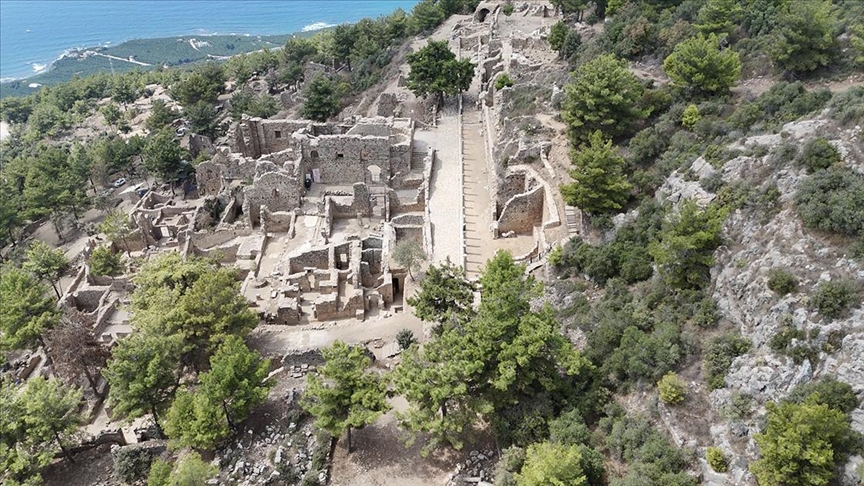
Archaeological remains at the site include colonnaded streets, bath complexes, cisterns, temples, and residential structures, reflecting centuries of urban development along the southern Anatolian coast.
Recent excavations have increasingly focused on the city’s residential areas, revealing new information about everyday life in Syedra during Late Antiquity.
Conservation Work Completed
Following its discovery, conservation and restoration work on the mosaic has been completed to ensure the preservation of both the decorative motifs and the inscriptions.
The floor now represents one of the most distinctive recent discoveries from Syedra, offering a rare example of humor and social expression preserved in the archaeological record.
Through its simple yet striking words, the mosaic provides a direct voice from the past—one that still feels unexpectedly familiar fifteen centuries later.
- A 1700-year-old statue of Pan unearthed during the excavations at Polyeuktos in İstanbul
- The granary was found in the ancient city of Sebaste, founded by the first Roman emperor Augustus
- Donalar Kale Kapı Rock Tomb or Donalar Rock Tomb
- Theater emerges as works continue in ancient city of Perinthos
- Urartian King Argishti’s bronze shield revealed the name of an unknown country
- The religious center of Lycia, the ancient city of Letoon
- Who were the Luwians?
- A new study brings a fresh perspective on the Anatolian origin of the Indo-European languages

- Perhaps the oldest thermal treatment center in the world, which has been in continuous use for 2000 years -Basilica Therma Roman Bath or King’s Daughter-
- The largest synagogue of the ancient world, located in the ancient city of Sardis, is being restored
Leave a Reply