
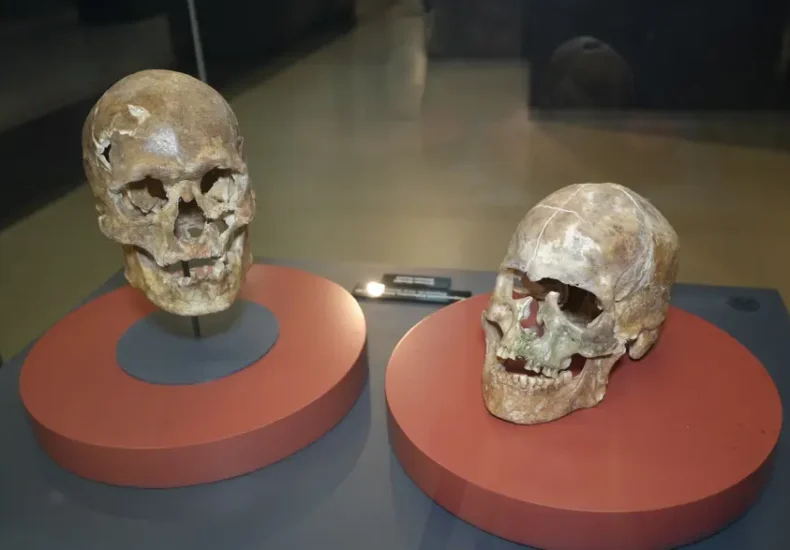
A 5,000-Year-Old Skull Reveals One of the Earliest Medical Interventions in Anatolia
One of the most striking testimonies to early medical knowledge in Anatolia is now on display at the Samsun Museum. Dating back nearly 5,000 years, a human skull bearing clear evidence of surgical intervention is considered among the earliest known examples of cranial surgery in human history. What makes this discovery exceptional is not only
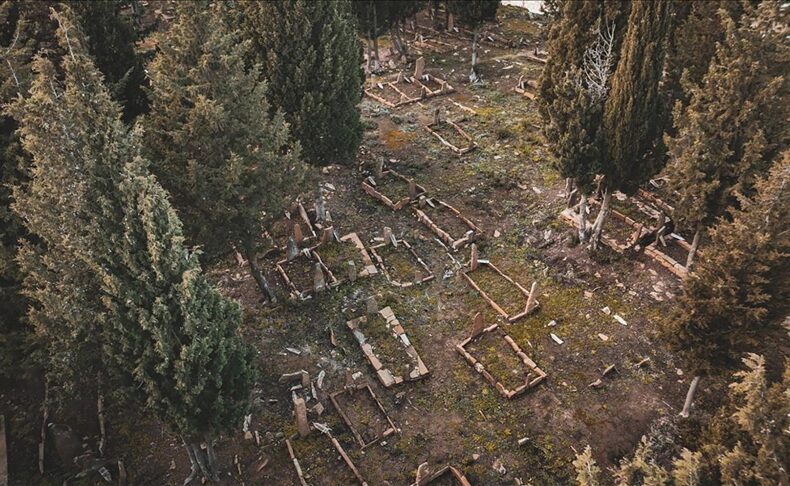
8,700 Early Turkish Akıncı Graves Unearthed at Gallipoli, Illuminating Europe’s 14th-Century Frontier
Archaeological research on the Gelibolu (Gallipoli) Peninsula has revealed a discovery of exceptional historical weight: a vast cemetery belonging to the first Turkish raiders who crossed from Anatolia into Rumelia during the early 14th century. Identified near Küçükanafarta village in the Eceabat district, the burial ground documents the earliest known physical footprint of Turks in
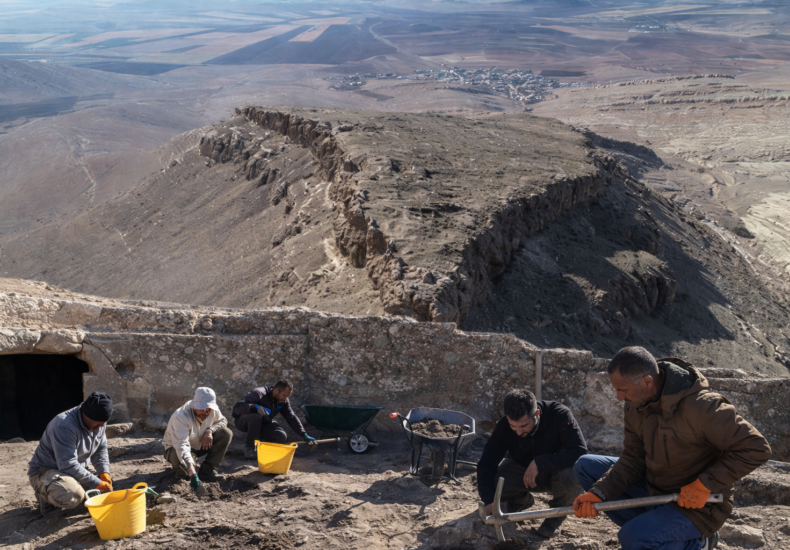
Excavations Begin at the Late Roman Rabat Castle Built to Protect Key Trade Routes
Archaeological excavations have begun at Rabat Castle, a Late Roman–period stronghold rising 955 meters above sea level in the Derik district of Mardin. Spreading across roughly 5.5 hectares, the fortress occupies a commanding position overlooking routes that once connected Anatolia with Upper Mesopotamia. Archaeological assessments indicate that Rabat Castle was constructed during the Late Roman
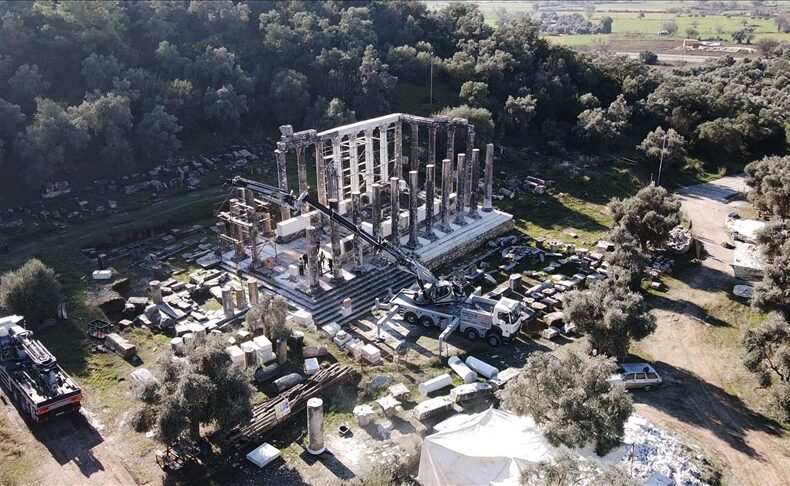
Restoration of the Temple of Zeus Lepsynos at Euromos Enters Its Final Phase
On a quiet hillside near Milas in southwestern Türkiye, one of Anatolia’s best-preserved Roman temples is undergoing a transformation that will reshape how the ancient city of Euromos is experienced. Restoration work at the Temple of Zeus Lepsynos, led by the Turkish Ministry of Culture and Tourism, is now advancing toward completion, with the project
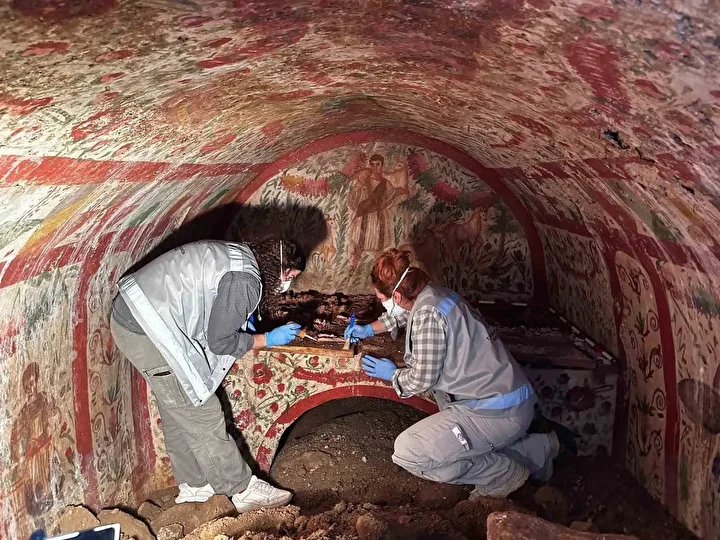
A Rare “Good Shepherd” Depiction Emerges from a Hypogeum Tomb in İznik
A quiet corner of Hisardere Nekropolü in İznik has produced a discovery that specialists are calling one of the most remarkable Early Christian finds in recent years: a painted “Good Shepherd” (Çoban İsa) figure, believed to be the only example of its kind ever documented in Anatolia. The scene was uncovered inside a carefully constructed
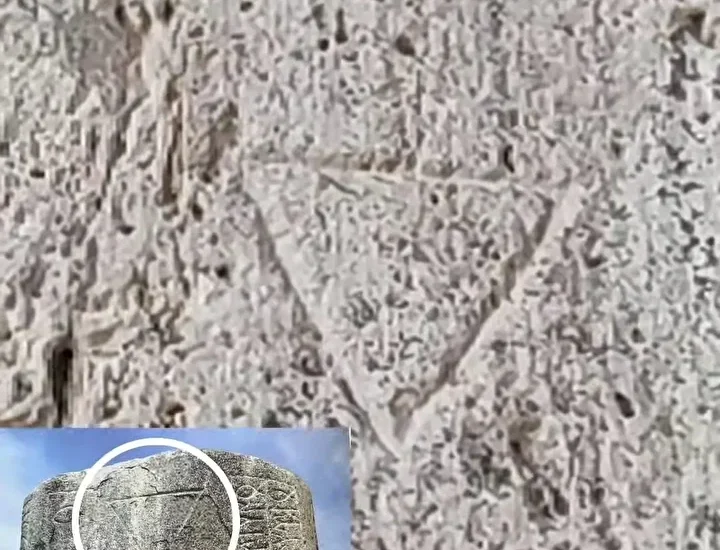
A Seljuk Caravanserai Reveals Rare Mongol and Turkic Tamgas: New Inscriptions Emerge at Çardak
A 13th-century waystation in western Türkiye is drawing fresh attention after the discovery of two highly unusual symbols — the Mongol Ulzii motif and a Turkic tamga associated with Bilge Tonyukuk. When the Seljuk caravan routes crossed the vast interior of Anatolia, they created more than commercial arteries; they forged a landscape of cultural exchange.
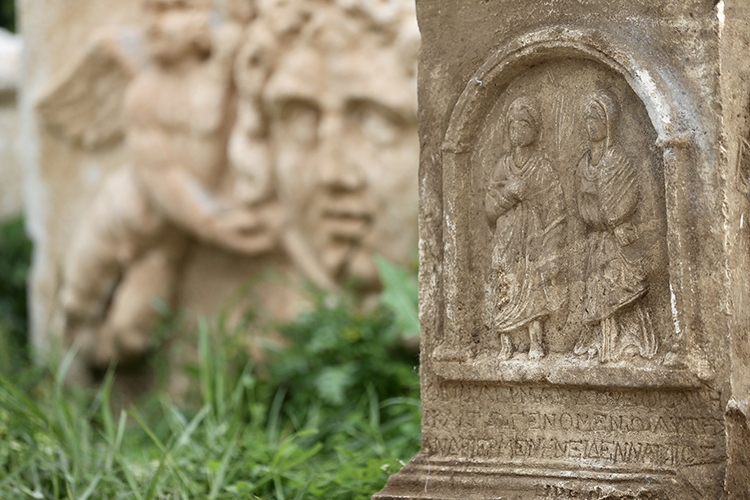
A Shepherd’s Chance Discovery Reveals a Roman Funerary Stele in the Hills of Muğla
High in the rugged hills of Seydikemer in southwestern Türkiye, a local shepherd made a discovery that is now reshaping the archaeological map of the region: a Roman-era funerary stele carved with human figures and detailed epigraphic inscriptions. The monument, resembling the form of a votive altar, has been safely recovered and transported to the
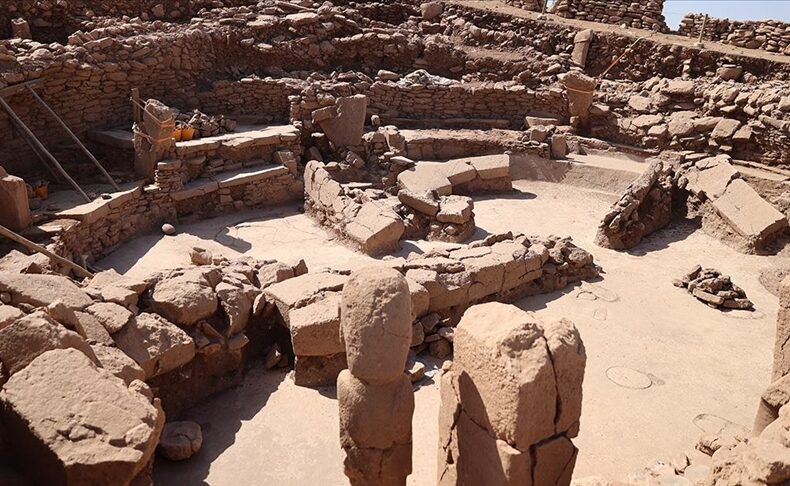
An amphitheater-like Neolithic structure has been uncovered at Karahantepe in southeastern Türkiye
Archaeologists in southeastern Türkiye have brought to light a striking Neolithic structure at Karahantepe—a circular, amphitheater-like building carved into bedrock and lined with tiered stone benches, human sculptures, and sculpted heads emerging from its walls. The find opens an unexpected window onto how some of the world’s earliest settled communities gathered, communicated, and expressed shared
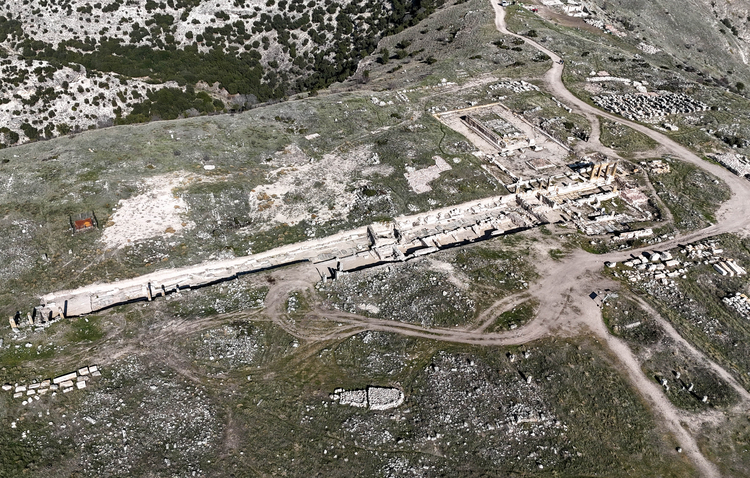
A 2,000-Year-Old Stadium Emerges at Blaundos: The Cliff-Top “Fortress City” of Anatolia Reveals a New Landmark
Archaeologists have begun excavating a Roman-era stadium perched above the dramatic canyons of Uşak’s Ulubey district — a discovery that could turn the ancient city of Blaundos into one of western Türkiye’s most distinctive archaeological landscapes. Surrounded by the sheer cliffs of the Ulubey Canyon system, the ancient city of Blaundos has long been known
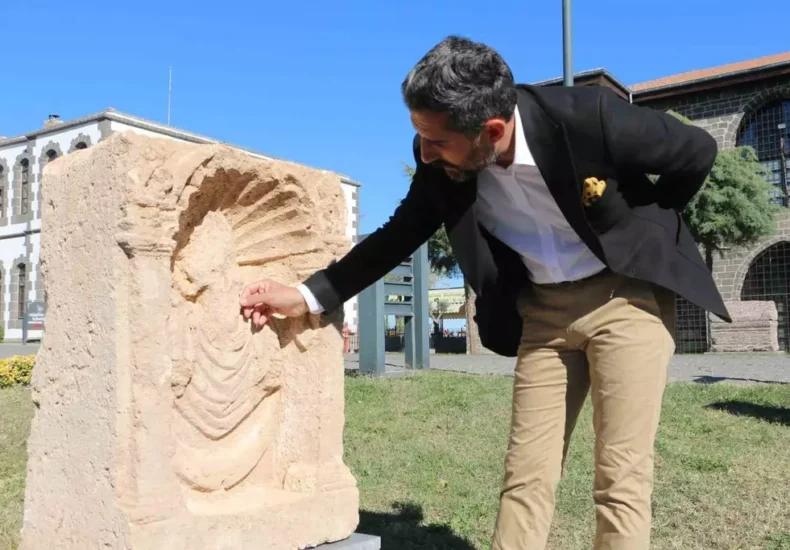
1,800-Year-Old Cybele Statue Rescued from Looters Now Displayed at Diyarbakır’s İçkale Museum
A 1,800-year-old limestone statue believed to represent the Mother Goddess Cybele — once nearly cut apart by looters — has been meticulously restored and placed on public display in the garden of Diyarbakır’s İçkale Museum. Originally brought from Şanlıurfa in 1935, the piece was saved from smugglers by the gendarmerie and now features in the