

New Excavations at Perre Reveal Expanding Sacred Zones and Hidden Layers of Roman-Era Life
The 2025 archaeological season at Perre, one of the five principal cities of the ancient Kingdom of Commagene, has come to a close with significant new discoveries that deepen the understanding of the city’s religious and social landscape. The work, carried out across a newly uncovered 2,500-square-meter area in Adıyaman’s Örenli district, has revealed architectural
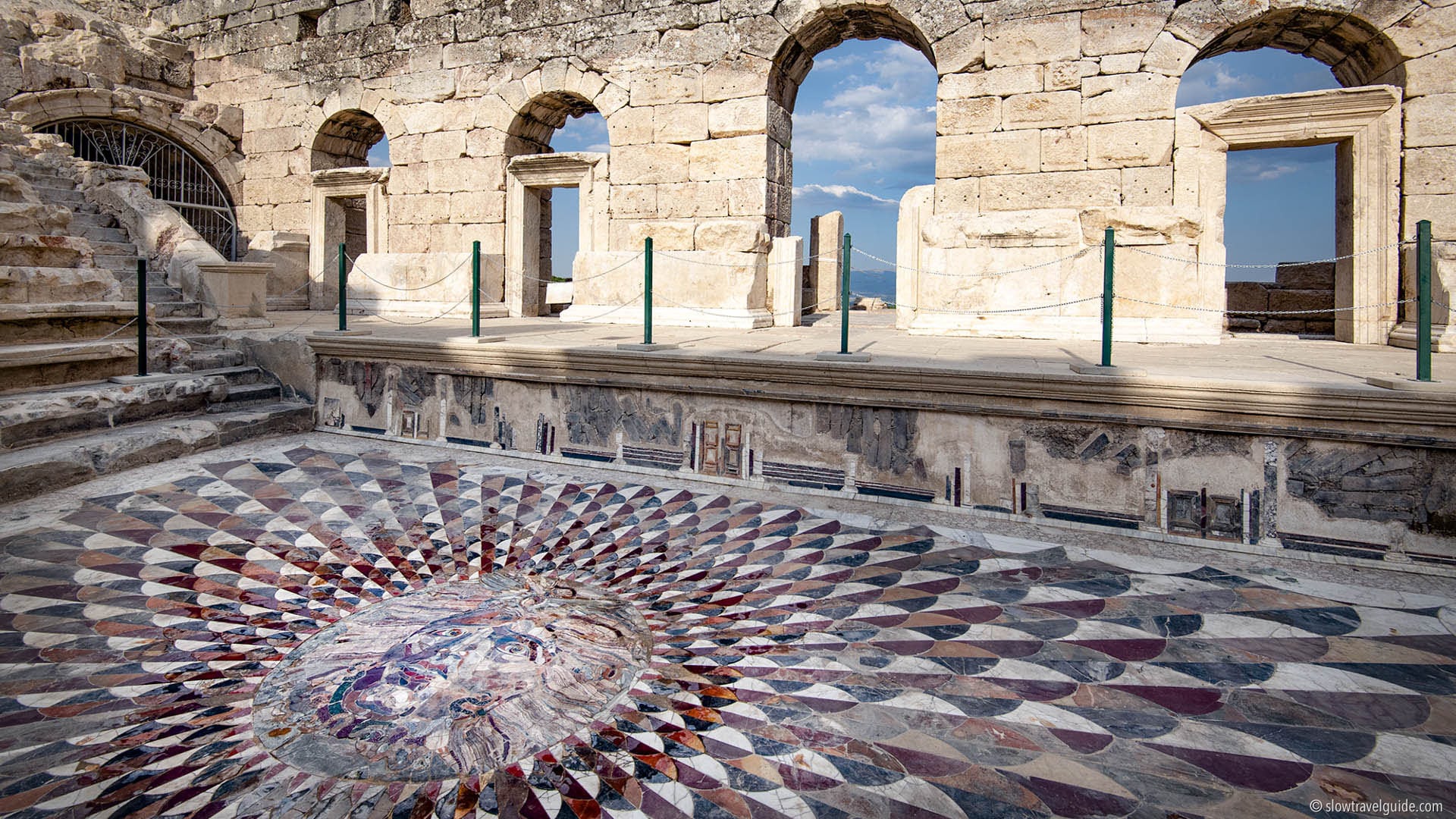
A Nearly Intact Medusa Mosaic at Ancient Kibyra Is Temporarily Closed to Protect It from Winter Damage
Anyone visiting the mountain-ringed plateau of Kibyra in southwestern Türkiye is usually greeted by an unexpected survivor: a vividly colored Medusa mosaic crafted from precision-cut marble. This winter, however, the famous artwork is hidden from view—not because of secrecy, but because it is simply too rare to risk exposure to cold, rain, and frost. Archaeologists

A Newly Uncovered 1,500-Year-Old Roman Dwelling Sheds Light on Daily Life in Ancient Commagene’s City of Perre
The 2025 excavation season at Perre has revealed one of the most informative architectural discoveries yet: a 1,500-year-old domestic complex built during the late Roman occupation of the ancient Commagene region. The find delivers a rare, ground-level view of how households functioned in a city positioned at a vital crossroads of trade and military movement.
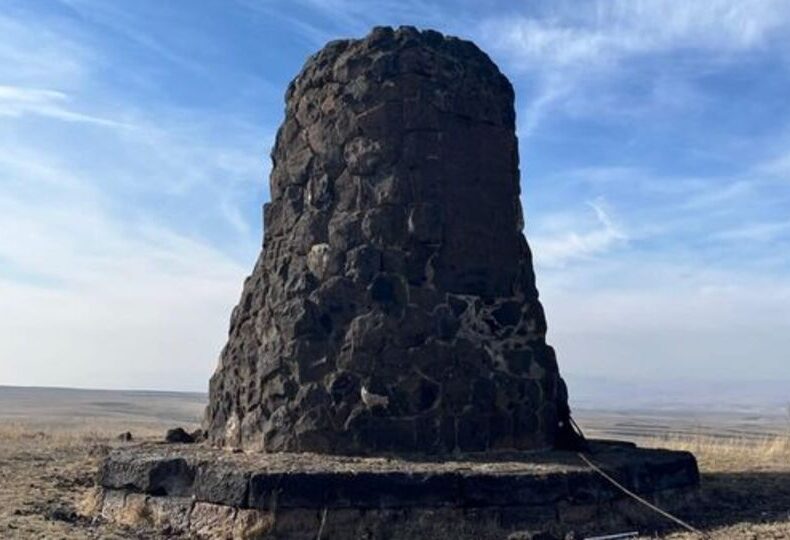
Mysterious Stone Structure Near Kars Raises New Questions About an Unstudied Peak
A solitary stone construction perched atop a hill outside Kars is drawing increasing attention, not because anyone understands it, but precisely because no one does. Rising above Bulanık village, the summit known locally as “Ziyaret Tepesi” or “Evliya Tepesi” hosts a five-meter-high structure whose origins remain completely undocumented. A hill between two mountains — and
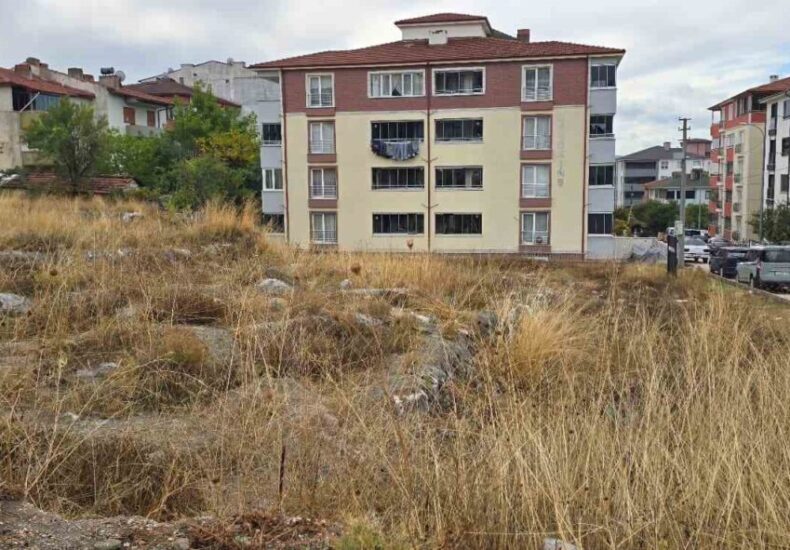
Forgotten Neolithic Settlement in Bilecik: 9,000 Years of History Hidden Beneath the Grass
In western Türkiye, an archaeological discovery once hailed as a milestone in Neolithic research now lies buried under weeds. The 9,000-year-old settlement unearthed in Bilecik’s Bahçelievler district — among the earliest known farming communities of western Anatolia — has been left unprotected, sparking calls from historians and locals to transform it into an open-air museum
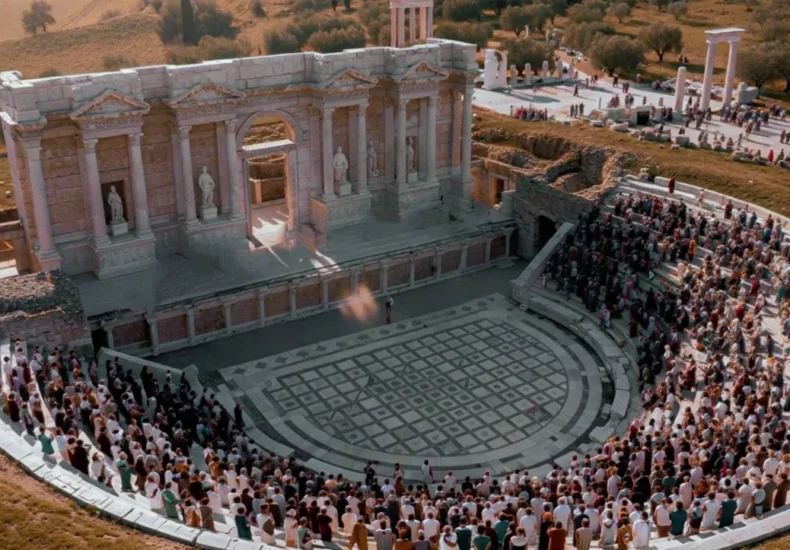
Roman City of Pompeiopolis Reconstructed with AI: Ancient Glory Revived in Northern Türkiye
In a pioneering cultural initiative, the ancient Roman city of Pompeiopolis in northern Türkiye’s Kastamonu province has been digitally reconstructed using artificial intelligence, offering a vivid glimpse into the grandeur of the city as it stood nearly 2,000 years ago. Located in the Taşköprü district, Pompeiopolis was once the capital of the Roman province of

Ancient Market and Water System Unearthed in the Carian City of Hyllarima, Türkiye
Archaeologists excavating the ancient city of Hyllarima in Muğla’s Kavaklıdere district have uncovered a series of well-preserved shop units and water channels in the city’s agora, revealing new insights into urban planning and daily life in inland Caria over two millennia ago. Located in the Derebağ neighborhood, Hyllarima is among the oldest settlements of inland

13,000-Year-Old Bone Tools and Beads Unearthed in Direkli Cave Reveal Early Anatolian Craftsmanship
Archaeologists working at Direkli Cave in Kahramanmaraş, southeastern Türkiye, have uncovered bone tools and ornamental beads dating back approximately 13,000 years — offering a vivid glimpse into the technological and symbolic sophistication of the region’s prehistoric inhabitants. A Window into Late Epipalaeolithic Anatolia The discoveries, made under the direction of Prof. Dr. Cevdet Merih Erek
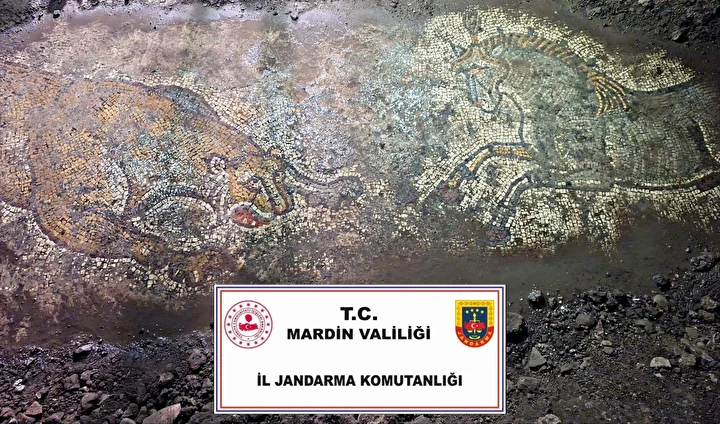
1,500-Year-Old Roman Mosaic Unearthed in Mardin During “Anatolian Heritage” Operation
Authorities uncover hidden Late Roman mosaic buried beneath concrete slab in southeastern Türkiye A spectacular 1,500-year-old floor mosaic depicting human and animal figures has been discovered in the Derik district of Mardin, southeastern Türkiye, during a smuggling operation code-named “Anatolian Heritage” (Anadolu Mirası). The mosaic—spanning approximately 60 square meters and dating to the Late Roman
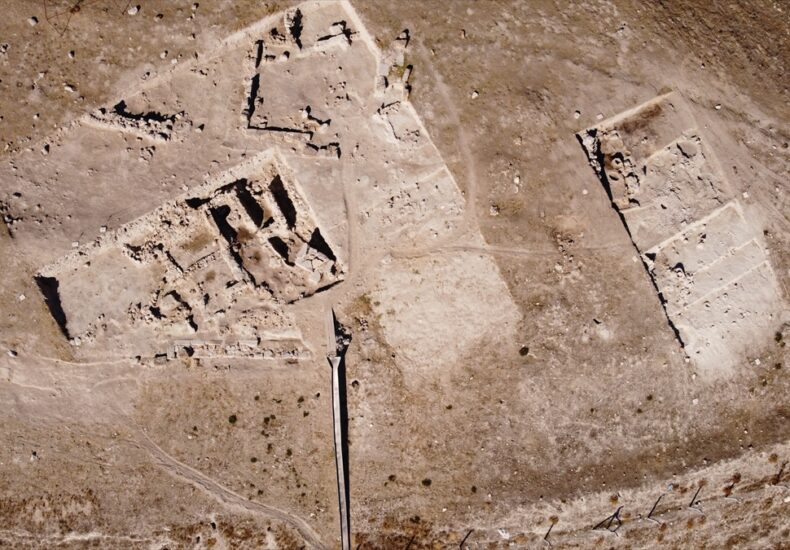
4500-Year-Old Burnt House and Hellenistic Fortress Wall Unearthed at Aşağıseyit Mound in Denizli
Located in Türkiye’s western province of Denizli, Aşağıseyit Mound stands as one of the key archaeological sites revealing uninterrupted settlement layers from the Late Chalcolithic to the Roman period. The mound, which has preserved traces of eight distinct habitation phases, continues to shed light on the cultural transitions of inner Western Anatolia — from early