
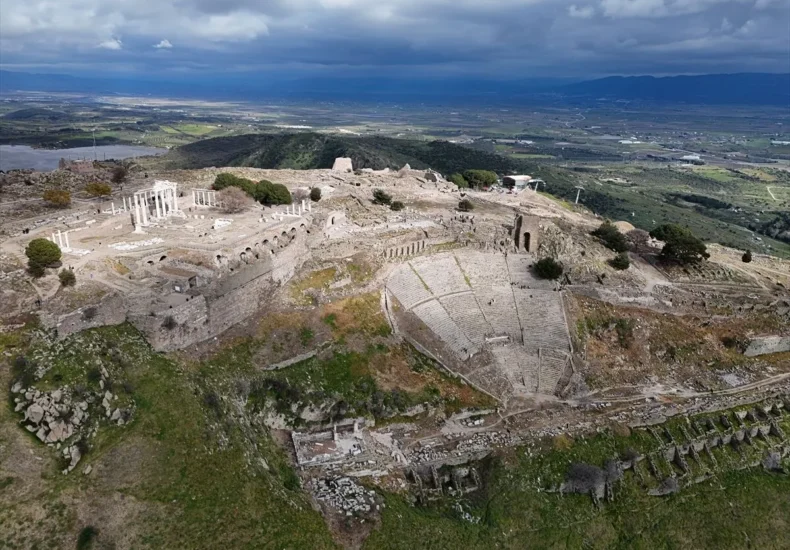
Ancient Pergamon Acropolis Reveals How a Hilltop City Became a Powerhouse of the Ancient World
Rising sharply above the modern town of Bergama in western Türkiye, the Pergamon Acropolis still dominates the landscape—just as it did more than two millennia ago. But this was no ordinary hilltop settlement. New interpretations of its urban design and historical development are shedding light on how Pergamon transformed a steep and seemingly impractical terrain
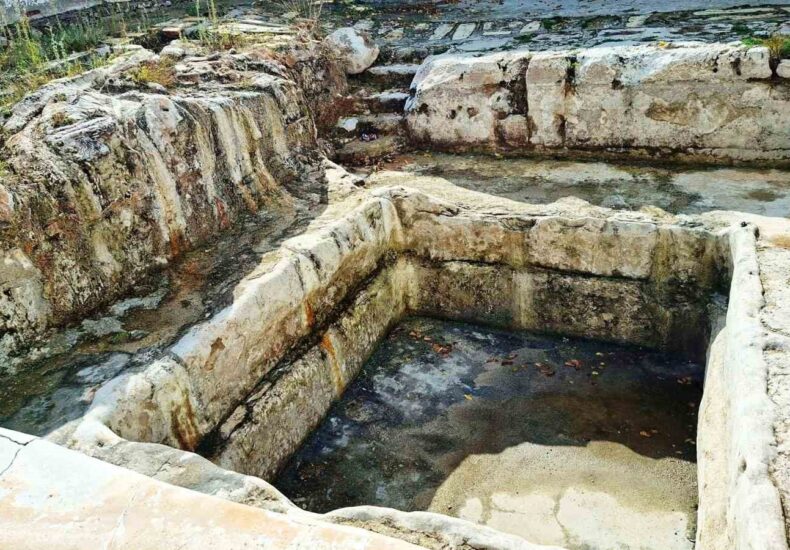
Ancient Roman Bath in Kütahya Faces Collapse as Neglect Deepens
A rock-cut Roman bath in western Türkiye, once believed to have healing properties, is now on the brink of disappearance after years of neglect in the village of Sefaköy, Kütahya. Hidden in the rural landscape of Hisarcık district, the structure—carved directly into natural rock during the Roman period—has long been known among locals for its
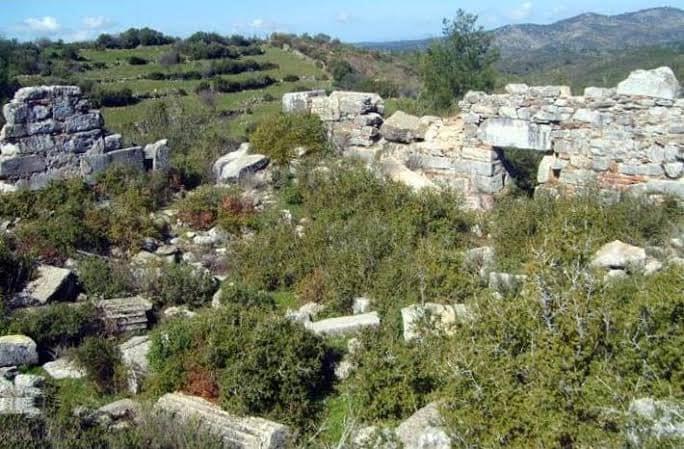
Looters Target 2,300-Year-Old Amyzon as Excavations in Ancient Carian City Remain Delayed
The ancient city of Amyzon, located in Aydın Province in western Türkiye, has become increasingly vulnerable to looting after long-planned archaeological excavations failed to begin. Dating back more than 2,300 years, the Carian city preserves impressive defensive walls and architectural remains. Yet despite its archaeological importance, Amyzon has not been the focus of a systematic
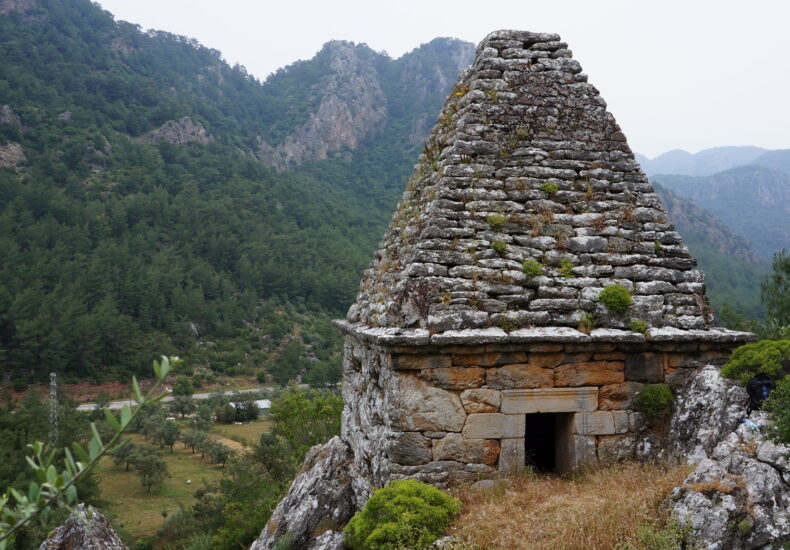
Türkiye’s Only Pyramid-Type Tomb Enters New Conservation Phase in Marmaris
Conservation and environmental improvement works have begun at Türkiye’s only pyramid-type tomb in the Turgut neighborhood of Marmaris, one of the region’s most significant cultural heritage monuments and a rare Hellenistic funerary structure located in Muğla Province. The project is being carried out by the Marmaris Chamber of Commerce (MTO), which both prepared and funded
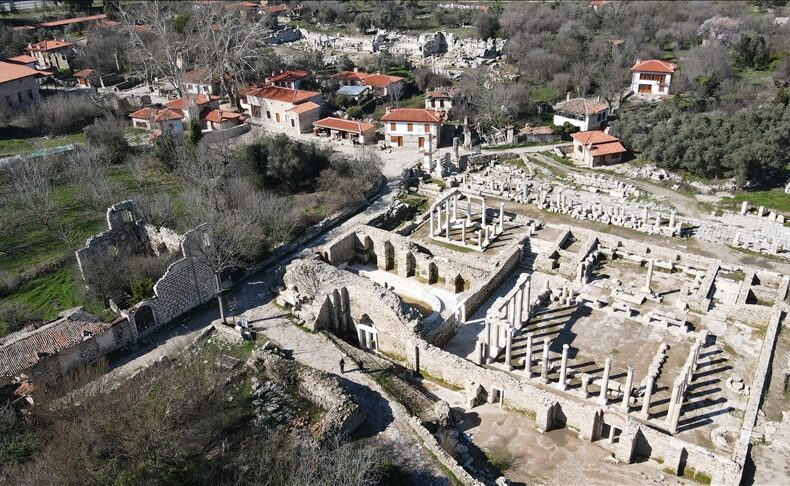
Forgotten Crafts Revived in Restored Ottoman Shops at Stratonikeia
For decades, visitors have come to Stratonikeia for its marble streets, its vast gymnasium, and the memory of gladiators who once fought in its arena. Soon, they may also come for the sound of a hammer striking copper, or the smell of fresh bread from a village oven. At the entrance of the ancient city
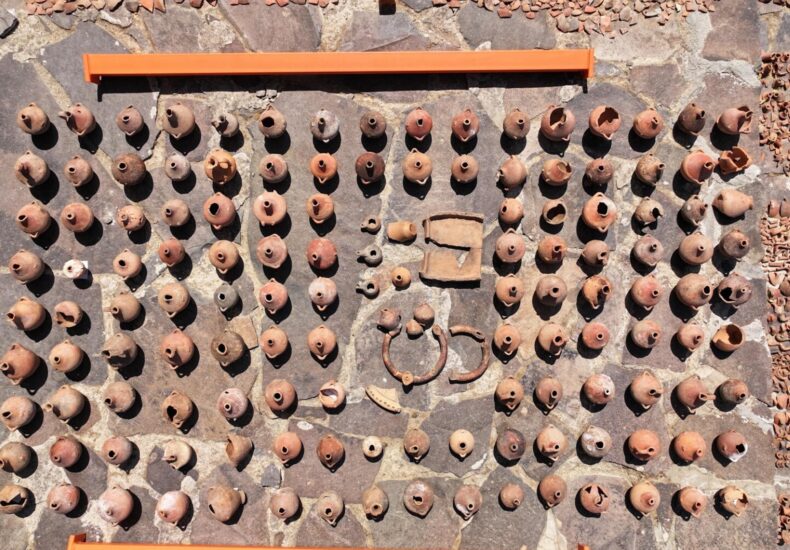
3,000 Ritual Hydriskoi Discovered at Demeter–Kore Temple in Aigai, Western Türkiye
A quiet sanctuary overlooking the rugged slopes of Yuntdağı has revealed an extraordinary testimony to ancient ritual life. Archaeologists working at the Demeter–Kore Temple in Aigai have uncovered approximately 3,000 small terracotta water vessels known as hydriskoi — one of the most substantial votive accumulations ever documented at the site. The excavation, conducted for the
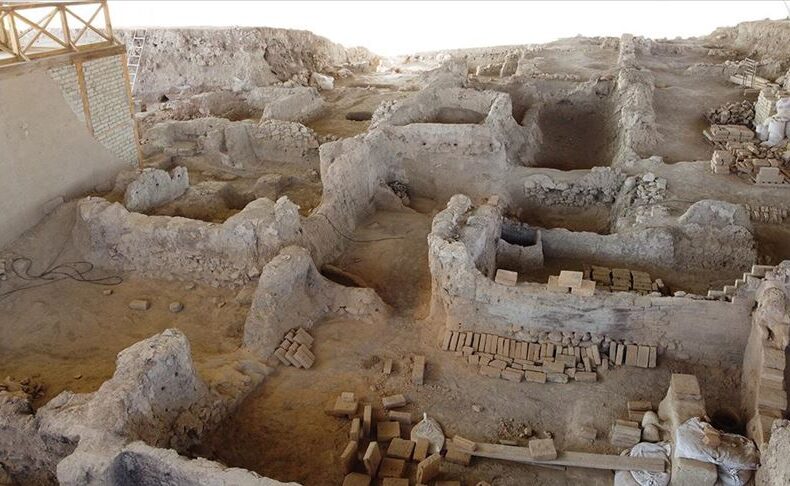
Bronze Age Breakthrough in Anatolia: 3,900-Year-Old Indigo Textile and Single-Needle Knitting Unearthed at Beycesultan
A charred scrap of fabric from western Anatolia is forcing archaeologists to rethink the technological sophistication of the Bronze Age. At Beycesultan Höyük, a major mound settlement in inland western Türkiye, researchers have identified the earliest known indigo-dyed textile in Bronze Age Anatolia—alongside the region’s first evidence of a complex single-needle knitting technique known as
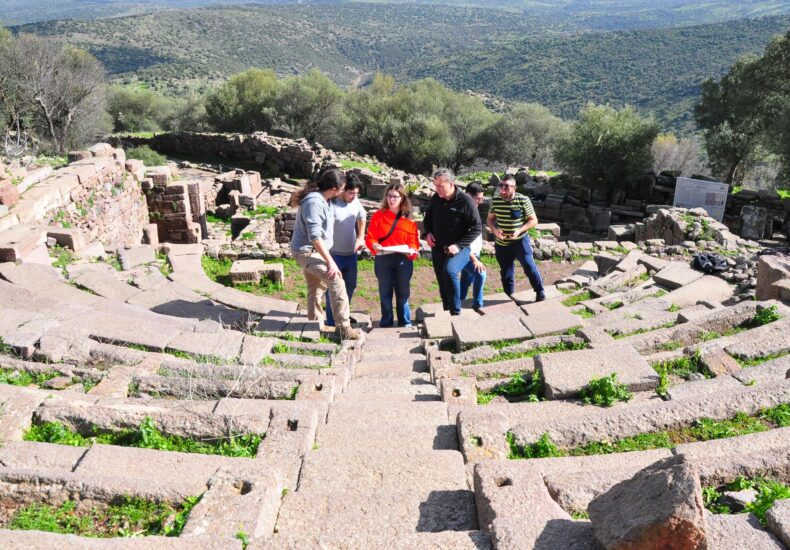
2,200-Year-Old Assembly Building at Aigai Enters Conservation Phase in Western Türkiye
High on the slopes of Yunt Mountain in western Türkiye, a silent stone structure once echoed with debate. Today, the 2,200-year-old bouleuterion—Aigai’s ancient assembly building—is preparing for a new chapter: conservation and restoration. Located in the Yunusemre district of Manisa, the ancient city of Aigai has been under excavation since 2004. According to excavation director
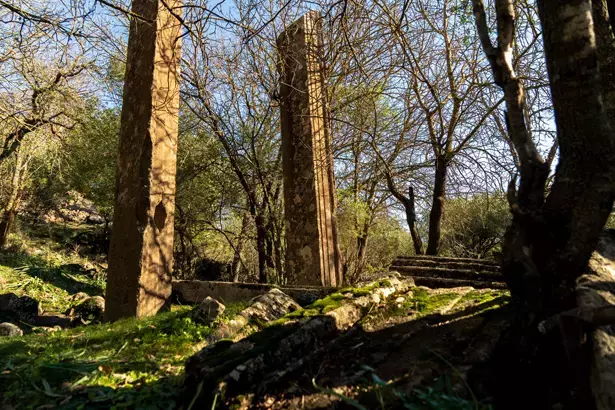
The Most Important Oracle of the Aiolis Region: The 2,300-Year-Old Temple of Apollo Khresterios at Aigai
Hidden deep within a rural valley of western Türkiye, far from modern roads and urban pressure, the Temple of Apollo Khresterios stands as one of the most intact and enigmatic oracle centers of the ancient world. Located near the ancient city of Aigai, the sanctuary played a central role in the religious life of the
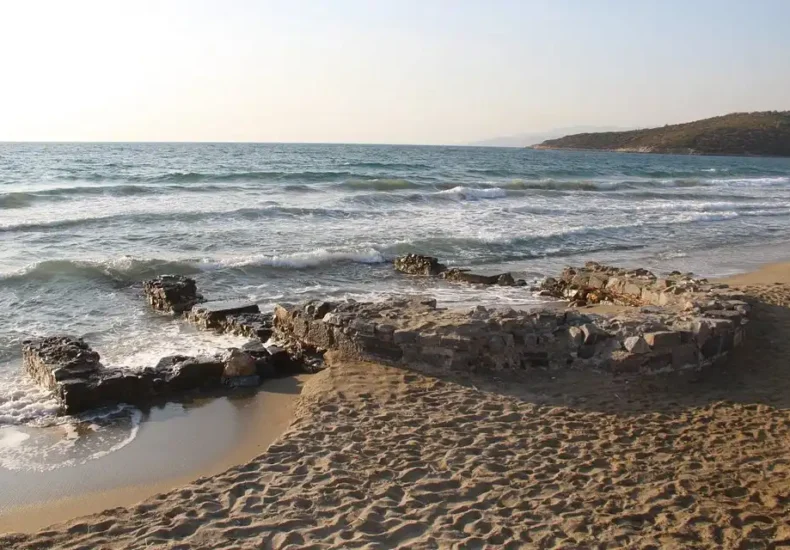
Pygela Necropolis in Kuşadası Granted First-Degree Archaeological Protection
A previously overlooked burial landscape connected to the ancient city of Pygela, near modern-day Kuşadası in western Türkiye, has now been officially designated a First-Degree Archaeological Site. The decision places the Otuzbirler Mevkii Necropolis under the highest level of legal protection, reflecting growing recognition of the area’s archaeological sensitivity and future research potential. Official designation