
Late Roman Palace Hall with Rare Mosaics Discovered at Hadrianopolis in Northern Anatolia
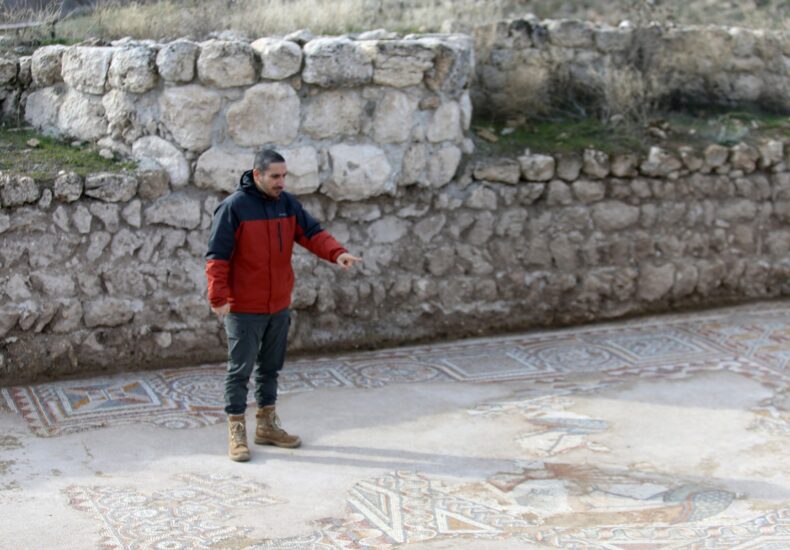
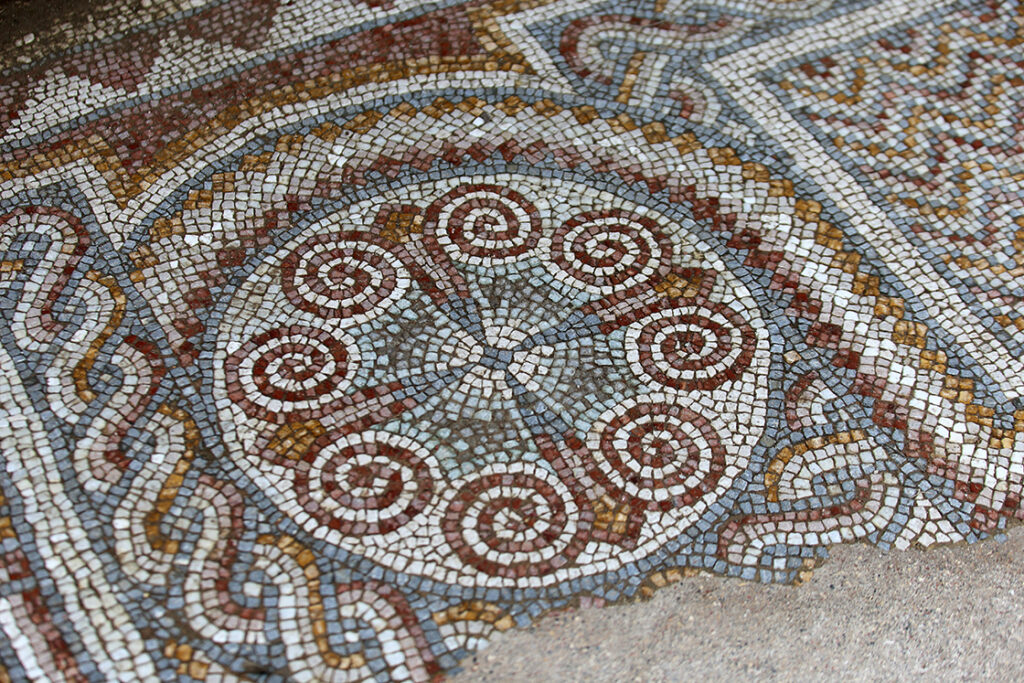
The moment archaeologists lifted the soil, the floor answered first—a near-intact mosaic field, still crisp enough to read like a visual statement of power. At Hadrianopolis, the ancient city in Karabük’s Eskipazar district in northern Anatolia, excavators have uncovered a mosaic-paved reception hall interpreted as part of a palace-like complex.
The Find: A Formal Reception Hall from the 4th Century AD
The newly revealed space is described as a reception hall (audience hall), with a mosaic floor that dominates the room and signals a high-status function. The excavation is led by Assoc. Prof. Dr. Ersin Çelikbaş of Karabük University’s Department of Archaeology.
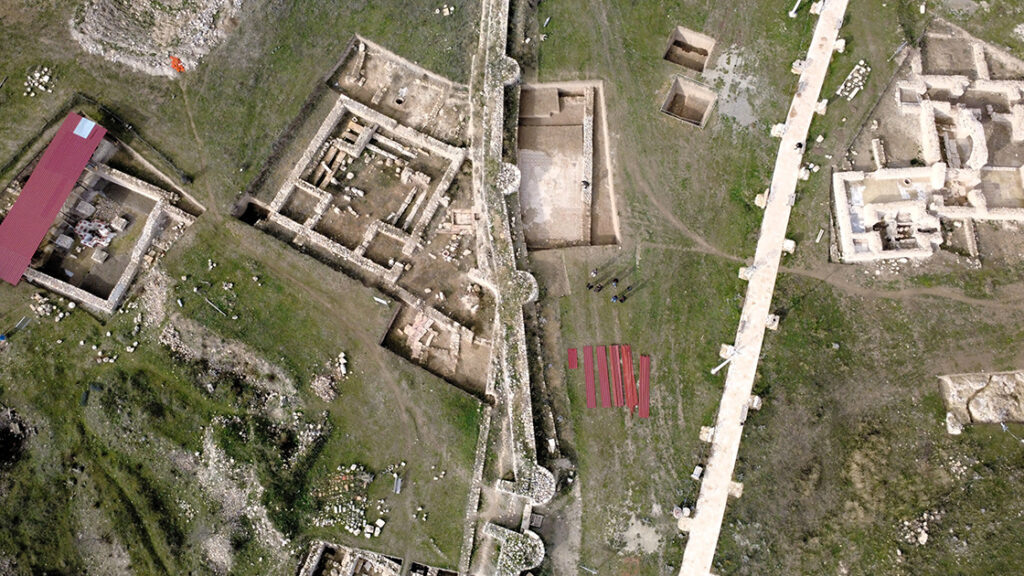
Based on stratigraphic evidence and the stylistic characteristics of the mosaics, Çelikbaş says the building can be dated to the 4th century AD. He stresses that identifying a palace-related structure at Hadrianopolis is significant for both Black Sea archaeology and Anatolian archaeology, where comparable elite ceremonial interiors are not commonly documented outside major urban centers.
What the Mosaics Show: Peacocks, Knots, and Unusual Motifs
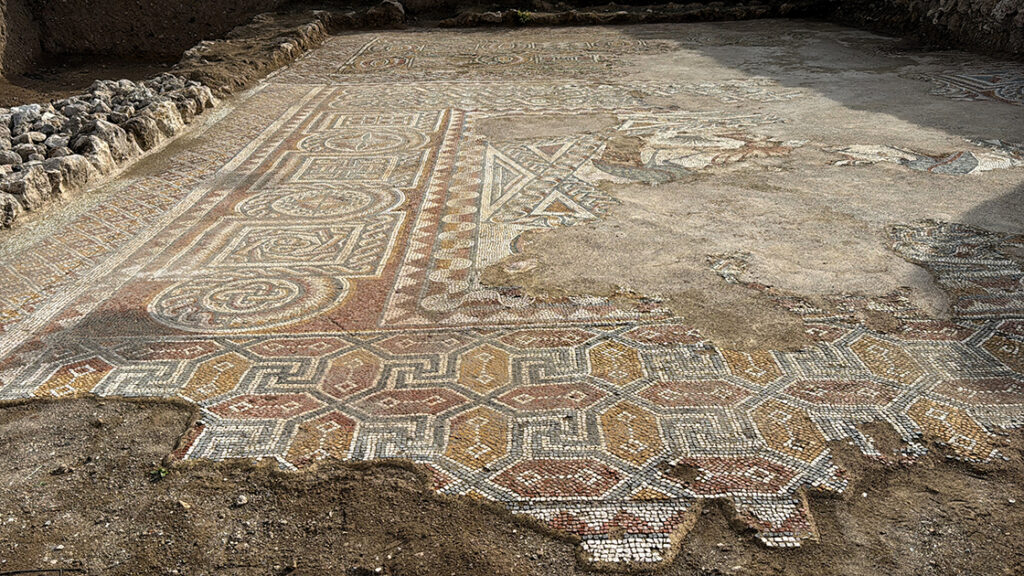
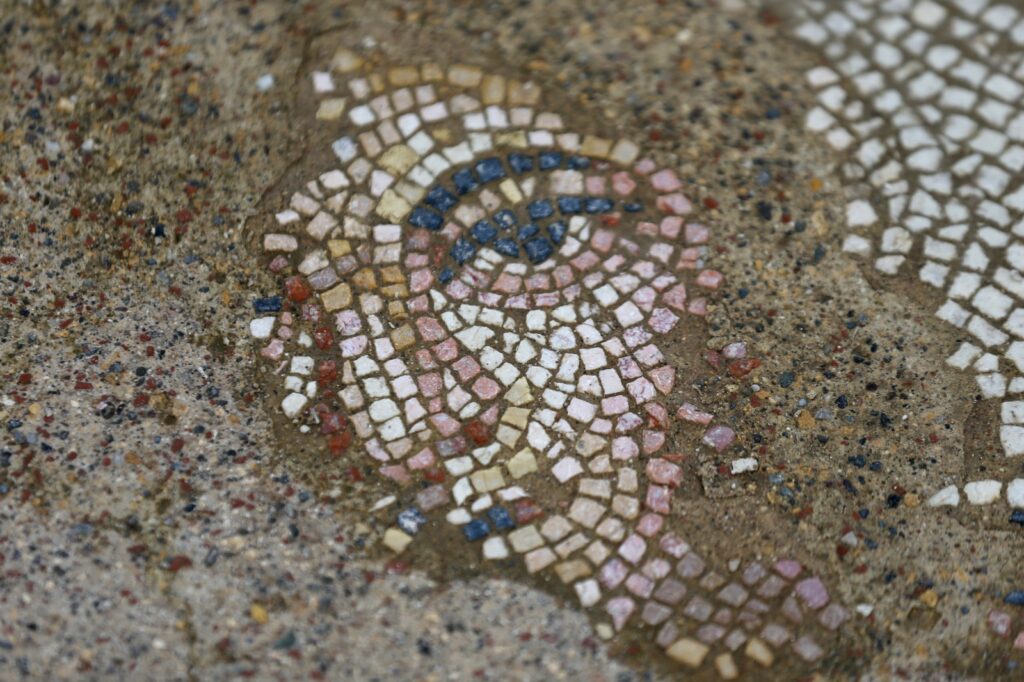
At the center of the mosaic composition, two peacocks drink from a vessel, a Late Antique image often tied to ideas of abundance and prestige. Around this focal scene, the decorative program expands into a dense repertoire of patterns, including wave-like ribbon motifs, an eight-pointed star, Solomon’s knots, and multiple geometric arrangements that frame and rhythmically repeat across the floor.
📣 Our WhatsApp channel is now LIVE! Stay up-to-date with the latest news and updates, just click here to follow us on WhatsApp and never miss a thing!!
Çelikbaş notes that some elements appear to be previously undocumented in Anatolian archaeology, making the hall important not only as architecture, but as an indicator of regional workshop practice and local taste in Late Roman visual culture.
Preservation: About 80% of the Floor Survives
One detail changes the weight of the discovery: roughly 80% of the mosaic surface remains intact. That level of preservation is rare for large-format floors, and it allows researchers to interpret the hall’s original visual impact with unusual confidence—especially in a building type meant to impress.
The floor’s survival also suggests that conservation and presentation can be approached with a realistic goal: protect what remains while making it legible to visitors.
Why It Matters for Northern Anatolia
Hadrianopolis has long been notable for mosaics, but a palace-scale reception hall shifts the conversation. It suggests the city hosted elite representation, formal gatherings, and possibly administrative or ceremonial functions during Late Antiquity—an era when regional centers across Anatolia were reshaped by changing economies, patronage networks, and Christianizing landscapes.
In other words, this is not just “another mosaic.” It is a clue to who held power here, and how that power was staged.
Conservation Plan: Aiming to Open by the End of the Year
The team’s stated aim is to place the hall under protective conservation by the end of the year and then open it to visitors once stabilization is complete. If achieved, the hall could become one of the most compelling Late Roman interiors accessible in the Black Sea region of Türkiye.
- A 1700-year-old statue of Pan unearthed during the excavations at Polyeuktos in İstanbul
- The granary was found in the ancient city of Sebaste, founded by the first Roman emperor Augustus
- Donalar Kale Kapı Rock Tomb or Donalar Rock Tomb
- Theater emerges as works continue in ancient city of Perinthos
- Urartian King Argishti’s bronze shield revealed the name of an unknown country
- The religious center of Lycia, the ancient city of Letoon
- Who were the Luwians?
- A new study brings a fresh perspective on the Anatolian origin of the Indo-European languages

- Perhaps the oldest thermal treatment center in the world, which has been in continuous use for 2000 years -Basilica Therma Roman Bath or King’s Daughter-
- The largest synagogue of the ancient world, located in the ancient city of Sardis, is being restored
Leave a Reply