Ottoman Village Square Discovered at Sillyon Ancient City in Antalya
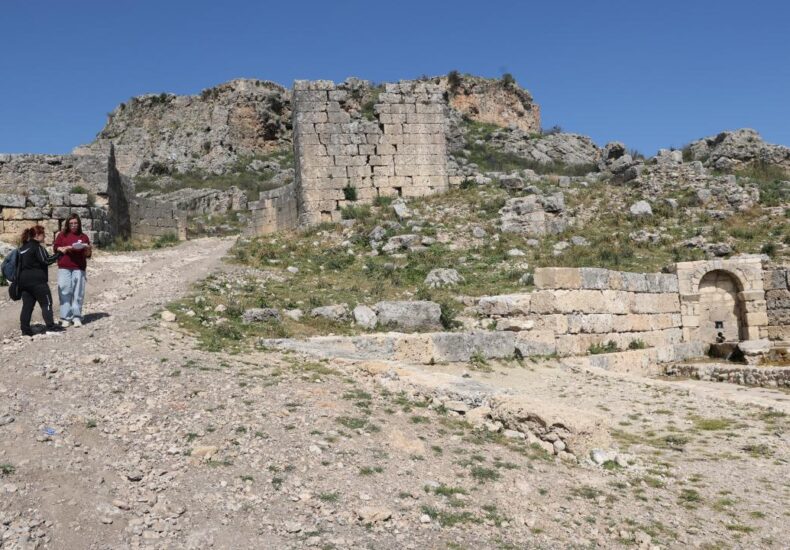
A quiet patch of ruins in southern Türkiye has revealed an unexpected layer of history. At the ancient city of Sillyon, archaeologists have identified the remains of an Ottoman-era village square, complete with a mosque, a water source, and an open communal space—suggesting that the site remained a living settlement long after antiquity.
The discovery comes from ongoing excavations in the Serik district of Antalya, where researchers are beginning to see Sillyon not only as a classical stronghold but also as a multi-period habitation site shaped by centuries of continuous use.
A structure older than expected
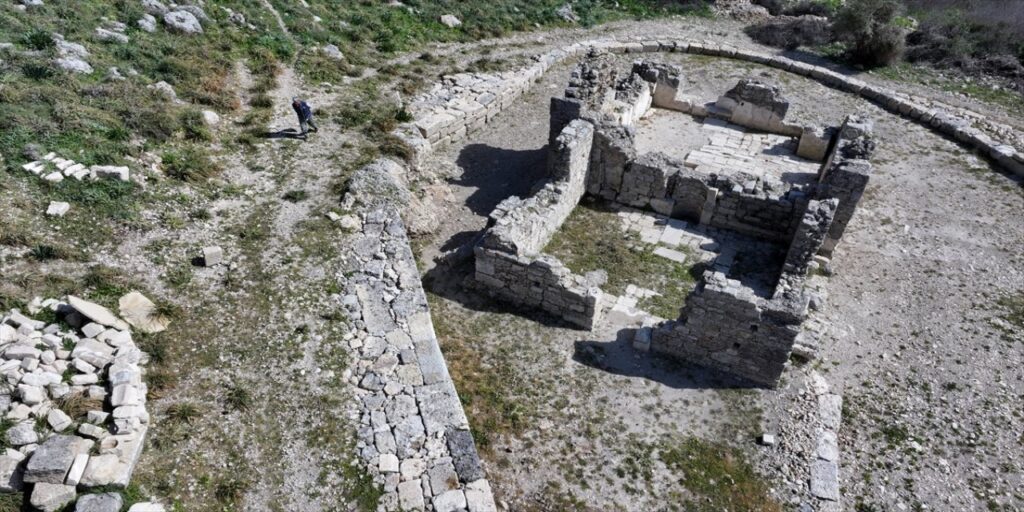
What was initially believed to be a later Ottoman mosque has now been dated to the 14th or 15th century, according to excavation director Assoc. Prof. Dr. Murat Taşkıran of Pamukkale University. The structure, however, tells a more layered story.
Archaeological evidence indicates that the mosque was built in two distinct phases. An earlier structure once stood on the same spot before being destroyed, after which it was rebuilt during the Ottoman period and continued to function as a place of worship. This continuity highlights how Sillyon’s strategic and cultural importance extended well beyond the ancient world.
📣 Our WhatsApp channel is now LIVE! Stay up-to-date with the latest news and updates, just click here to follow us on WhatsApp and never miss a thing!!
A living center for five centuries
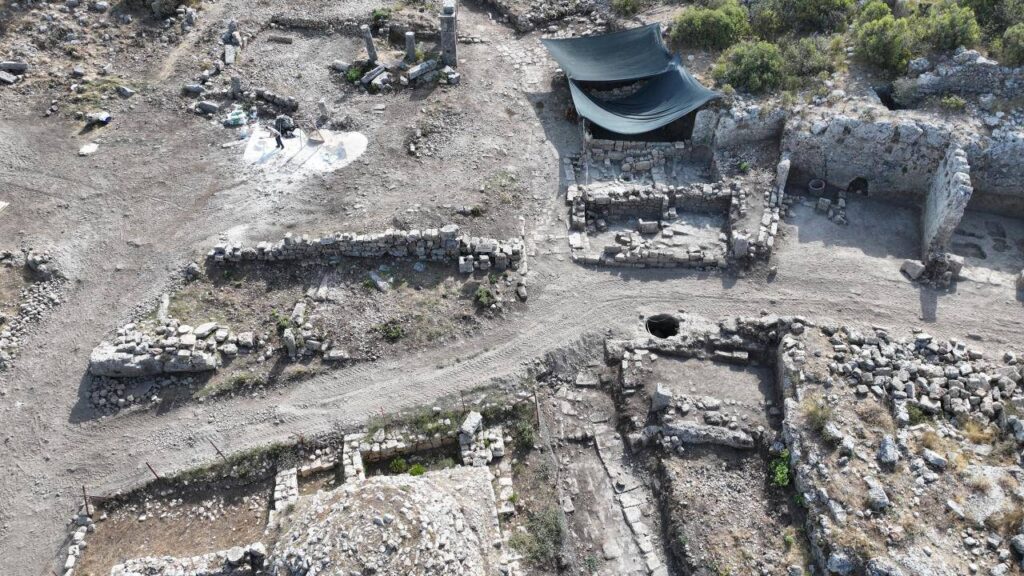
The newly identified complex reveals a carefully organized spatial arrangement. The mosque stands beside a flowing water source, which has recently been restored, and opens onto a shared space that functioned as a gathering area.
According to Taşkıran, the findings clearly demonstrate that this area served as the central hub of settlement in Ottoman-period Sillyon. For approximately 500 years, local inhabitants gathered here—not only for religious practices, but also for daily social interaction.
The layout reflects what researchers describe as a typical Ottoman rural square, where key elements of communal life—worship, water access, and open space—were integrated into a single functional environment.
More than a religious site
There are also indications that the square may have had an economic dimension. During the period when the region was part of the Teke Sanjak, the area was likely used as a marketplace, reinforcing its role as both a social and commercial focal point.
This interpretation adds another layer to the understanding of Sillyon, suggesting that it was not merely a residual settlement built upon ancient ruins, but an active and organized community space during the late medieval and early Ottoman periods.
From overlooked ruins to defined history
Before excavation began, the area appeared largely unremarkable—an abandoned and indistinct stretch within the ancient city. But as the work progressed, its true character gradually emerged.
For the excavation team, the identification of a structured village square has been both a scientific breakthrough and a validation of their research direction. It demonstrates how seemingly minor architectural remains can, when properly examined, reveal long-term patterns of settlement and continuity.
The findings at Sillyon underscore an increasingly important perspective in Anatolian archaeology: that ancient cities were often reused, reshaped, and reinterpreted across centuries, forming layered landscapes where different civilizations left overlapping imprints.
- A 1700-year-old statue of Pan unearthed during the excavations at Polyeuktos in İstanbul
- The granary was found in the ancient city of Sebaste, founded by the first Roman emperor Augustus
- Donalar Kale Kapı Rock Tomb or Donalar Rock Tomb
- Theater emerges as works continue in ancient city of Perinthos
- Urartian King Argishti’s bronze shield revealed the name of an unknown country
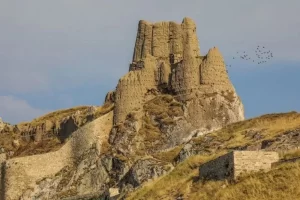
- The religious center of Lycia, the ancient city of Letoon
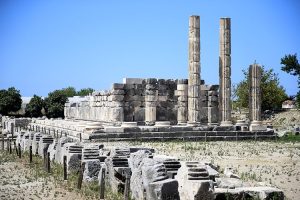
- Who were the Luwians?
- A new study brings a fresh perspective on the Anatolian origin of the Indo-European languages

- Perhaps the oldest thermal treatment center in the world, which has been in continuous use for 2000 years -Basilica Therma Roman Bath or King’s Daughter-
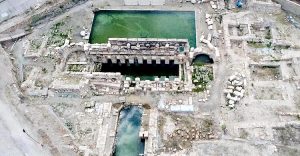
- The largest synagogue of the ancient world, located in the ancient city of Sardis, is being restored
Leave a Reply