
Possible Phoenician Infant Jar Burials Discovered at Oluz Höyük in Central Anatolia
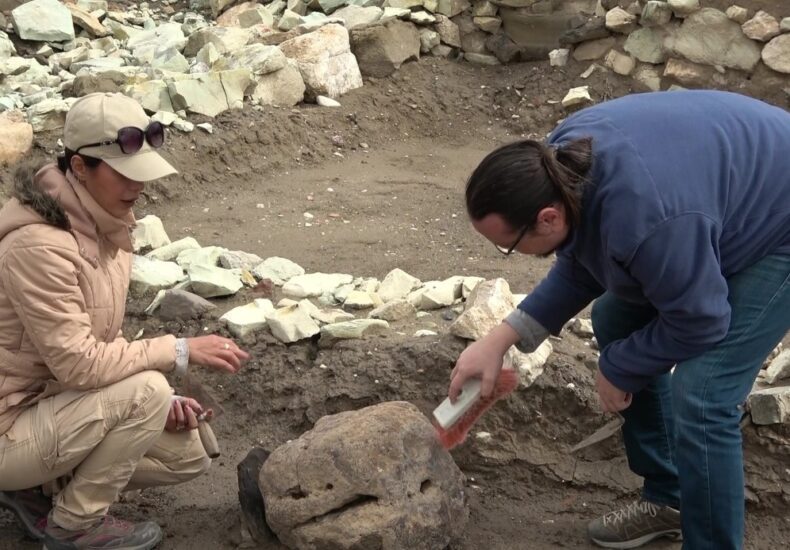
Archaeological excavations at Oluz Höyük, an ancient multi-layered settlement near the modern city of Amasya in north-central Türkiye, have uncovered a group of infant and fetal burials that may point to previously undocumented Phoenician ritual practices in the Anatolian interior. The burials, placed inside ceramic jars, are considered unique within the archaeological record of Anatolia and raise new questions about cultural and religious interaction during the Iron Age.
The discovery suggests that Phoenician influence—long associated primarily with the Eastern Mediterranean coast—may have extended much farther inland than previously assumed.
A Stratified Settlement Spanning 6,500 Years
Excavations at Oluz Höyük began in 2007 and have now reached their nineteenth season. Archaeologists have identified ten distinct occupational layers, revealing a settlement history stretching back approximately 6,500 years. The site has yielded architectural remains from multiple periods, including Hittite, Phrygian, and Persian-era palaces and temples, indicating Oluz Höyük’s long-standing regional importance rather than short-term habitation.
Researchers describe the mound as a layered historical archive, preserving successive phases of Anatolia’s political, religious, and cultural transformations.
📣 Our WhatsApp channel is now LIVE! Stay up-to-date with the latest news and updates, just click here to follow us on WhatsApp and never miss a thing!!
A Sanctuary with Eastern Mediterranean Architectural Traits
One of the most significant areas explored at the site is a Kubaba sacred precinct, where architectural features have drawn particular attention. The temple’s elongated and narrow layout follows a megaroid plan, closely resembling known Aramaean and Phoenician temple designs from the Eastern Mediterranean.
According to excavation director Prof. Dr. Şevket Dönmez, the architectural parallels are striking:
“When we examine the plan of the sanctuary, we see clear similarities with Aramaean and Phoenician temples. The fact that Phoenicians—an Eastern Mediterranean, Semitic-origin community—may have reached as far as Central Anatolia is genuinely surprising.”
Infant and Fetal Burials Placed Inside Jars
The most unusual finds at Oluz Höyük are eight infant and fetal burials placed inside ceramic jars, carefully arranged with deliberate spacing. This funerary practice has no known parallel elsewhere in Anatolia, setting the discovery apart from previously documented burial traditions in the region.
Prof. Dr. Dönmez emphasizes the rarity of the practice:
“We do not encounter infant jar burials like these anywhere else in Anatolia. This is something we have not seen before.”
The careful placement of the burials suggests a ritualized practice rather than a random or purely domestic form of interment.
Possible Links to the Phoenician ‘Tophet’ Tradition
Preliminary interpretations raise the possibility that the burials may be associated with the Phoenician ‘Tophet’ tradition, a ritual context known from the Phoenician world in which infants—either sacrificed or deceased at or shortly after birth—were placed in ceremonial burial settings.
Prof. Dr. Dönmez stresses that this interpretation remains hypothetical:
“We may be encountering the Anatolian counterparts of what is known in the Phoenician world as the ‘Tophet,’ involving the burial of infants. Whether these children were sacrificed or stillborn cannot be determined without anthropological analysis. Scientific confirmation will only be possible through detailed osteological and anthropological studies.”
Until such analyses are completed, researchers avoid definitive conclusions, framing the discovery as an important but cautious step toward understanding Phoenician ritual behavior beyond its core regions.
Additional Finds Pointing to Phoenician Connections
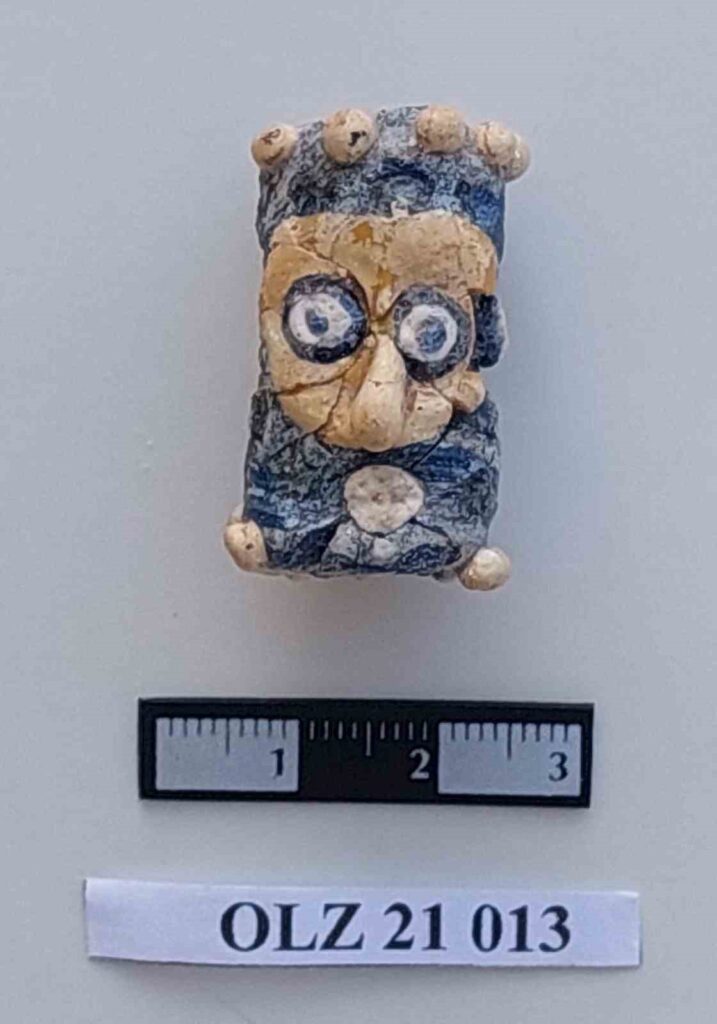
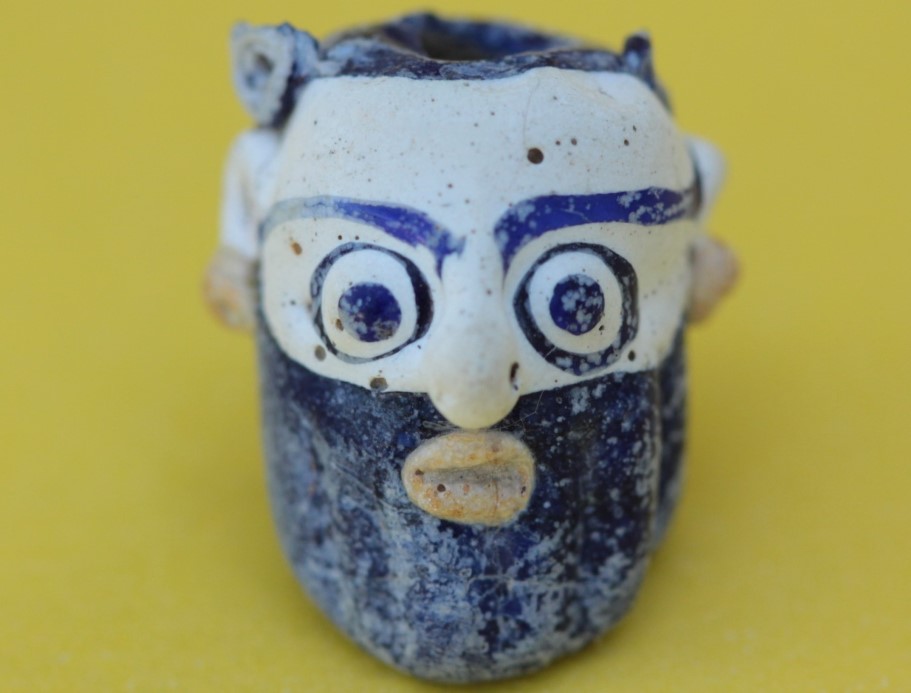
Supporting the interpretation of Phoenician influence are human-headed glass beads recovered from the site. These objects, stylistically linked to Carthaginian production, reflect the advanced glass-working traditions of the Phoenician world and provide material evidence of long-distance cultural and exchange networks reaching Central Anatolia.
Together with the jar burials, these beads form a key body of evidence supporting interpretations of Phoenician presence or cultural influence at Oluz Höyük.
Thousands of Artifacts Added to the Museum Record
Excavations at Oluz Höyük continue under Türkiye’s Heritage for the Future initiative led by the Ministry of Culture and Tourism. To date, nearly 3,000 artifacts recovered from the site have been formally transferred to the Amasya Museum for conservation and documentation.
As research progresses, Oluz Höyük is emerging as a key site for re-evaluating Anatolia’s role within the religious and cultural networks of the ancient Mediterranean—revealing connections that extend well beyond traditional geographic assumptions.
- A 1700-year-old statue of Pan unearthed during the excavations at Polyeuktos in İstanbul
- The granary was found in the ancient city of Sebaste, founded by the first Roman emperor Augustus
- Donalar Kale Kapı Rock Tomb or Donalar Rock Tomb
- Theater emerges as works continue in ancient city of Perinthos
- Urartian King Argishti’s bronze shield revealed the name of an unknown country
- The religious center of Lycia, the ancient city of Letoon
- Who were the Luwians?
- A new study brings a fresh perspective on the Anatolian origin of the Indo-European languages

- Perhaps the oldest thermal treatment center in the world, which has been in continuous use for 2000 years -Basilica Therma Roman Bath or King’s Daughter-
- The largest synagogue of the ancient world, located in the ancient city of Sardis, is being restored
Leave a Reply