
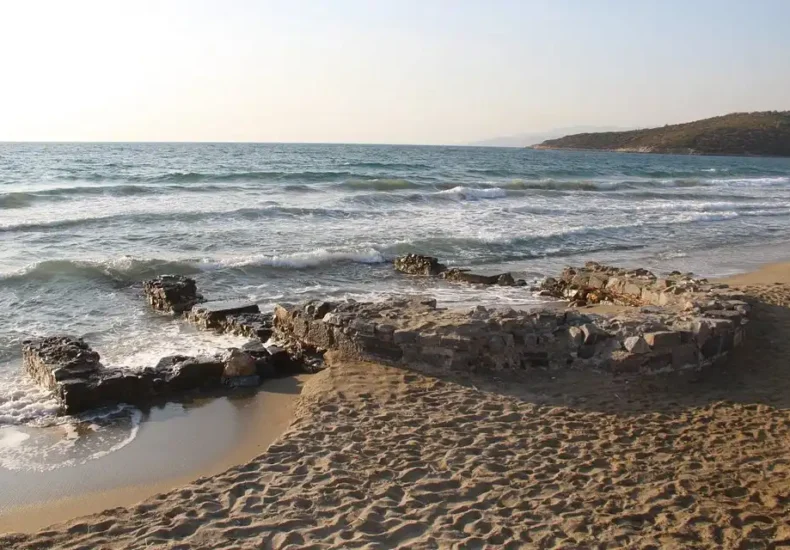
Pygela Necropolis in Kuşadası Granted First-Degree Archaeological Protection
A previously overlooked burial landscape connected to the ancient city of Pygela, near modern-day Kuşadası in western Türkiye, has now been officially designated a First-Degree Archaeological Site. The decision places the Otuzbirler Mevkii Necropolis under the highest level of legal protection, reflecting growing recognition of the area’s archaeological sensitivity and future research potential.
Official designation by the regional conservation council
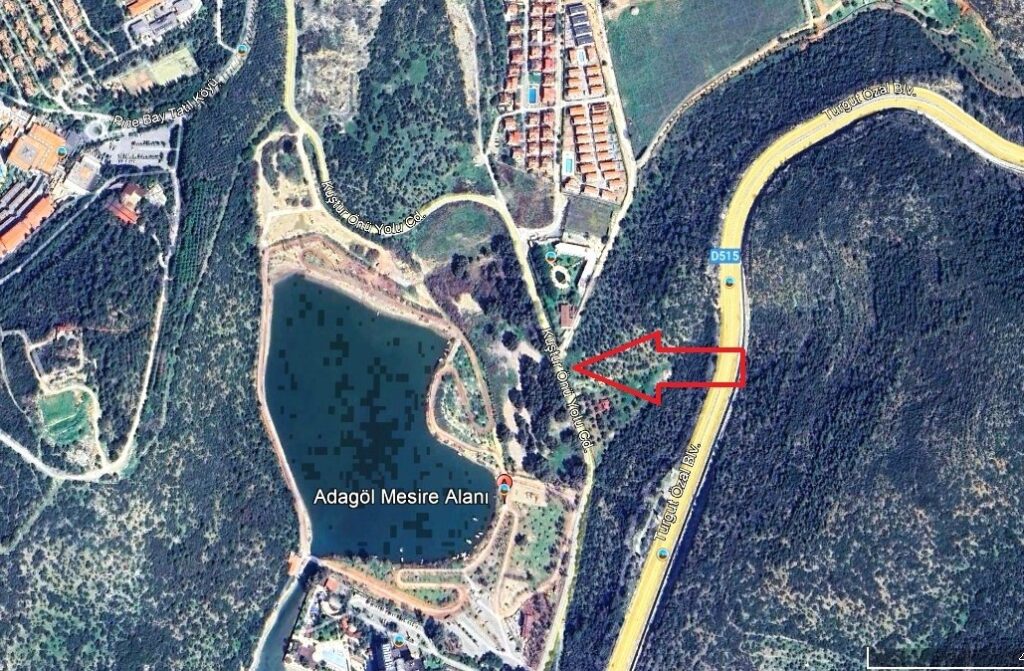
The designation was issued by the Aydın Cultural Heritage Preservation Regional Board, covering a necropolis located within the boundaries of Türkmen Neighborhood in Kuşadası. Because the area lies outside formal land registry parcels, authorities determined that new boundary definitions and parcel arrangements are required under current cultural heritage legislation.
The process follows Türkiye’s national regulations on the identification and registration of immovable cultural properties, ensuring that the site is protected not only in theory but also through enforceable planning controls.
“Pygela is one of Kuşadası’s most fragile landscapes”
The decision was welcomed by the EKODOSD (Association for the Protection of Ecosystems and Nature Lovers). EKODOSD President Bahattin Sürücü emphasized that the necropolis should be understood as part of a wider cultural and natural system rather than as an isolated archaeological zone.
📣 Our WhatsApp channel is now LIVE! Stay up-to-date with the latest news and updates, just click here to follow us on WhatsApp and never miss a thing!!
“Pygela is one of the most fragile areas in Kuşadası,” Sürücü said. “If we want to pass this heritage on to future generations, we must protect it holistically, together with its surrounding landscape, topography, and natural environment.”
Ancient texts point to deeper historical layers
The necropolis lies just behind Adagöl, in an area that ancient sources place north of Pygale, a small settlement associated with Pygela. The ancient geographer Strabo mentions Pygale in connection with the legendary Greek commander Agamemnon, describing it as a settlement that once housed a sanctuary of Artemis Munykhia.
While such accounts blend myth and history, archaeologists stress that they provide valuable clues for interpreting the broader settlement pattern of the region—especially when combined with material evidence on the ground.
Archaeological surveys suggest a shifting urban landscape
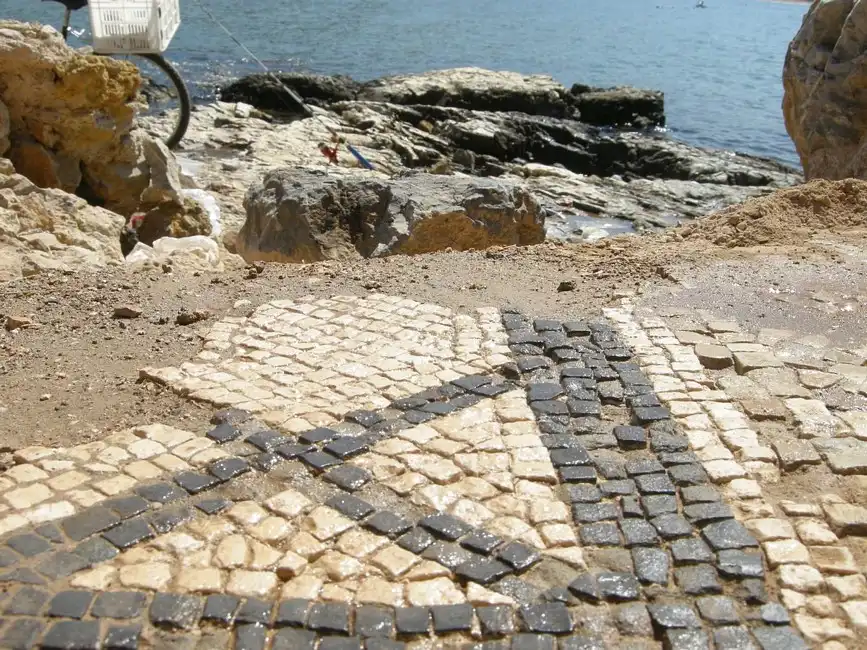
Field surveys conducted in previous years by Aydın Adnan Menderes University have contributed significantly to understanding Pygela’s development. According to findings led by Assoc. Prof. Aydın Erön, the settlement may have originated as a mound-based community before expanding northward in line with a harbor-oriented urban model.
Material remains indicate that during the Roman and Byzantine periods, the city’s core likely shifted toward areas east of the harbor. The presence of a necropolis in the Adagöl hinterland supports the view that substantial portions of Pygela’s urban fabric remain undiscovered.
High potential for new discoveries
Archaeologists and conservationists agree that the newly protected necropolis should be regarded as an archaeological reserve area, where future discoveries are not only possible but likely. The First-Degree designation effectively halts development pressures and creates a legal framework for long-term research, documentation, and conservation.
For Kuşadası—better known internationally for tourism—the move highlights the city’s deeper archaeological layers and reinforces the importance of balancing heritage protection with modern land use.
- A 1700-year-old statue of Pan unearthed during the excavations at Polyeuktos in İstanbul
- The granary was found in the ancient city of Sebaste, founded by the first Roman emperor Augustus
- Donalar Kale Kapı Rock Tomb or Donalar Rock Tomb
- Theater emerges as works continue in ancient city of Perinthos
- Urartian King Argishti’s bronze shield revealed the name of an unknown country
- The religious center of Lycia, the ancient city of Letoon
- Who were the Luwians?
- A new study brings a fresh perspective on the Anatolian origin of the Indo-European languages

- Perhaps the oldest thermal treatment center in the world, which has been in continuous use for 2000 years -Basilica Therma Roman Bath or King’s Daughter-
- The largest synagogue of the ancient world, located in the ancient city of Sardis, is being restored
Leave a Reply