
Savatra Ancient City Photograph Wins “Photo of the Year” at 2026 Current Archaeology Awards
A remarkable photograph taken at the ancient city of Savatra in central Anatolia has been selected as “Photo of the Year” at the 2026 Current Archaeology Awards, one of the most recognized international honors in the field of archaeology.
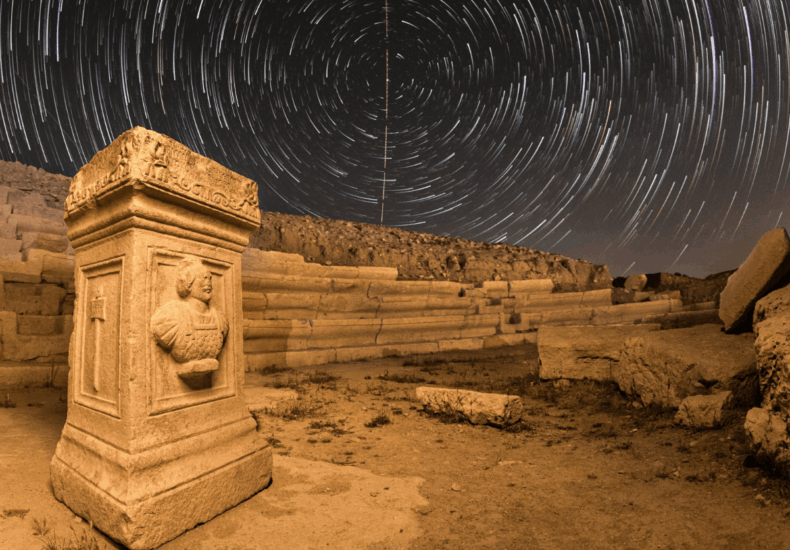
Captured by Turkish photographer Tahir Ceylan, the award-winning image presents the ruins of Savatra beneath a dramatic night sky traced with circular star trails. The photograph combines archaeological heritage with astrophotography, transforming the quiet remains of the ancient settlement into a powerful visual narrative of time, landscape, and history.
The prize was announced during the Current Archaeology Awards ceremony held in London, where archaeologists, researchers, and heritage professionals gather each year to celebrate major contributions to archaeological research and public engagement.
A Landscape Where Time Appears Visible
Ceylan’s photograph stands out not simply for its technical quality but for the way it conveys the relationship between ancient monuments and cosmic time.
📣 Our WhatsApp channel is now LIVE! Stay up-to-date with the latest news and updates, just click here to follow us on WhatsApp and never miss a thing!!
Using a long-exposure technique that records the rotation of the Earth through star trails, the photographer captured the night sky as a circular movement above the ruins. In the foreground, a carved stone pedestal and architectural fragments emerge from the Anatolian plateau, illuminated softly against the darkness of the surrounding landscape.
The result is an image that feels almost symbolic: the enduring presence of ancient civilization beneath a sky that has turned above it for millennia.
Savatra: A Forgotten City of the Anatolian Plateau
The site of Savatra lies in the Karatay district of Konya Province, within the historical region known in antiquity as Lycaonia. Although not as widely known as major Anatolian cities such as Ephesus or Pergamon, Savatra was once part of an important network of settlements that connected the interior plateau to trade routes crossing Anatolia.
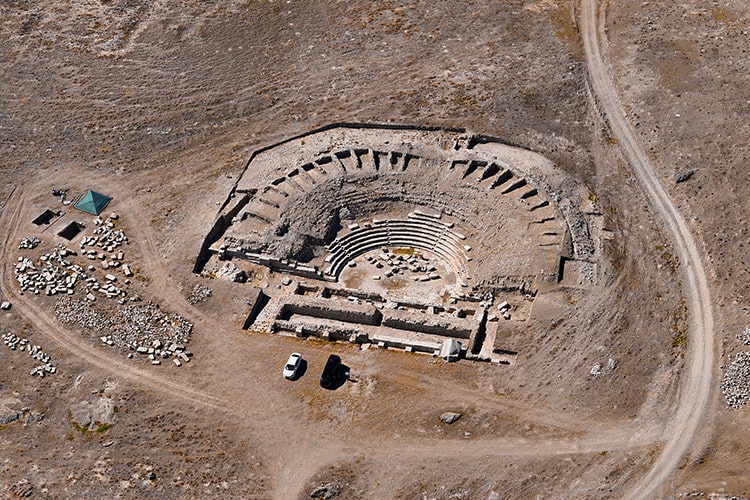
Archaeological remains at the site indicate occupation during the Hellenistic, Roman, and Byzantine periods. Architectural fragments, city walls, and sculptural elements scattered across the landscape reflect the settlement’s long and complex history.
Ancient written sources also mention Savatra as a settlement located in a relatively arid region, where access to water shaped patterns of habitation and infrastructure. These environmental conditions influenced how communities adapted to life on the central Anatolian plateau.
Today the site remains one of the lesser-known archaeological landscapes of Türkiye, yet discoveries and documentation continue to reveal new aspects of its past.
- A 1700-year-old statue of Pan unearthed during the excavations at Polyeuktos in İstanbul
- The granary was found in the ancient city of Sebaste, founded by the first Roman emperor Augustus
- Donalar Kale Kapı Rock Tomb or Donalar Rock Tomb
- Theater emerges as works continue in ancient city of Perinthos
- Urartian King Argishti’s bronze shield revealed the name of an unknown country
- The religious center of Lycia, the ancient city of Letoon
- Who were the Luwians?
- A new study brings a fresh perspective on the Anatolian origin of the Indo-European languages

- Perhaps the oldest thermal treatment center in the world, which has been in continuous use for 2000 years -Basilica Therma Roman Bath or King’s Daughter-
- The largest synagogue of the ancient world, located in the ancient city of Sardis, is being restored
Leave a Reply