
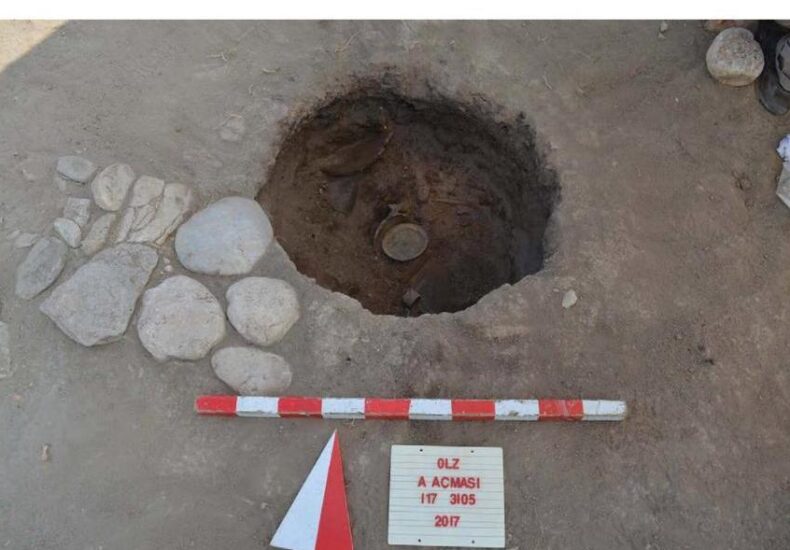
Ancient Ritual Pit at Oluz Höyük May Represent Anatolia’s Earliest Evidence of Zoroastrian Worship
Across central Anatolia, layers of earth sometimes preserve turning points in religious history. At Oluz Höyük, an archaeological mound near modern Amasya in northern Türkiye, researchers have identified a ritual installation that may represent the earliest archaeological evidence of Zoroastrian ceremonial practice in Anatolia. The interpretation is based on a detailed academic study examining a
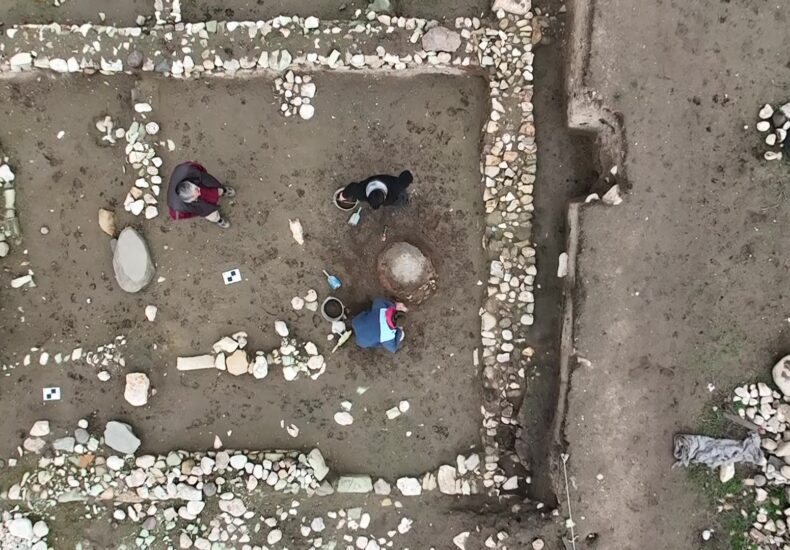
A 2,600-Year-Old Persian-Era Tandoor Discovered at Oluz Höyük by Turkish Archaeologists
Buried just beneath the floor of an ancient domestic space at Oluz Höyük in northern Türkiye, a clay-built oven has resurfaced with a familiar shape. Despite being 2,600 years old, the structure looks strikingly similar to the tandoors still used in Anatolian kitchens today—an architectural continuity that spans millennia. The discovery was made during the
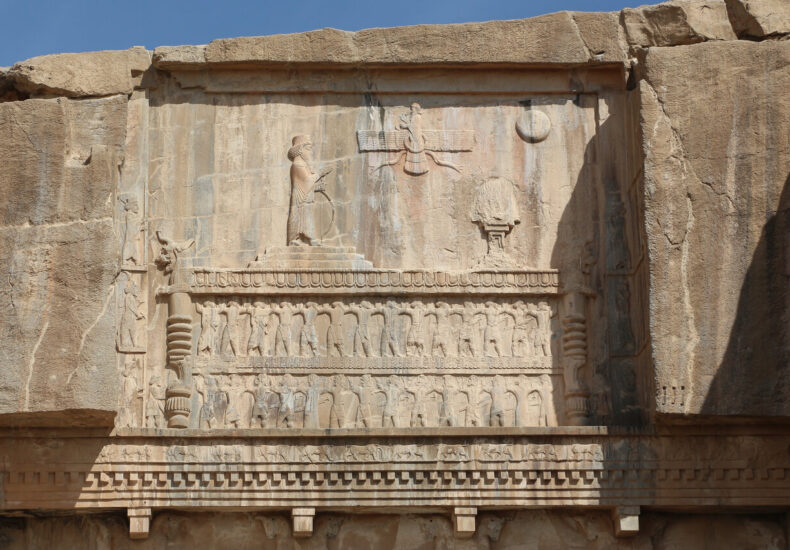
Restoration Efforts Revitalize Ancient Majesty at Persepolis
Restoration work has resumed at key heritage sites within Persepolis, a UNESCO World Heritage site in southern Iran, following a pause during the Nowruz holidays. Projects are underway at the Apadana Palace, the rock-carved tomb of Artaxerxes III, and the southern inscription of the Terrace (Takhtgah), all remnants of the ancient Achaemenid Empire (c. 550–330