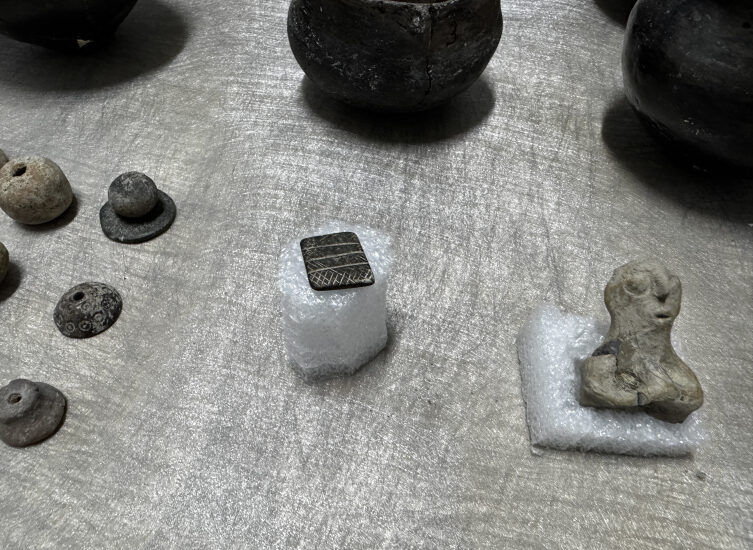
7,500-Year-Old Stone Seal Unearthed at Tadım Höyük in Eastern Anatolia
Archaeologists excavating Tadım Höyük, a multi-layered settlement mound in eastern Anatolia, have uncovered a rare stone seal dating back approximately 7,500 years, offering new insight into early social organization along the Upper Euphrates Basin. The discovery reinforces the region’s role as one of Anatolia’s earliest and most enduring centers of human settlement. The excavations are
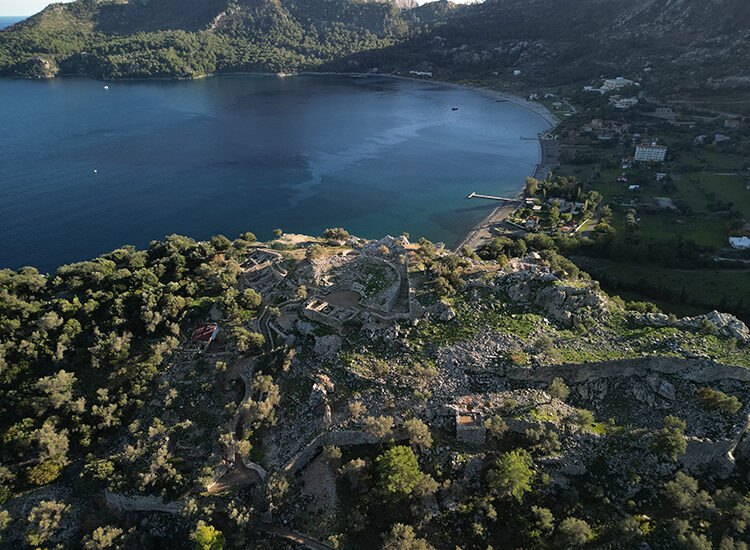
Assyrian Goddess Ishtar Emerges on a Silver Pendant at the Ancient Port of Amos
At the ancient port city of Amos, overlooking the Gulf of Gökova on Türkiye’s southwestern coast, archaeologists have uncovered a rare silver pendant bearing symbols associated with the Assyrian goddess Ishtar. Small in scale but rich in meaning, the object offers new evidence for the cultural reach of Near Eastern belief systems into coastal Anatolia
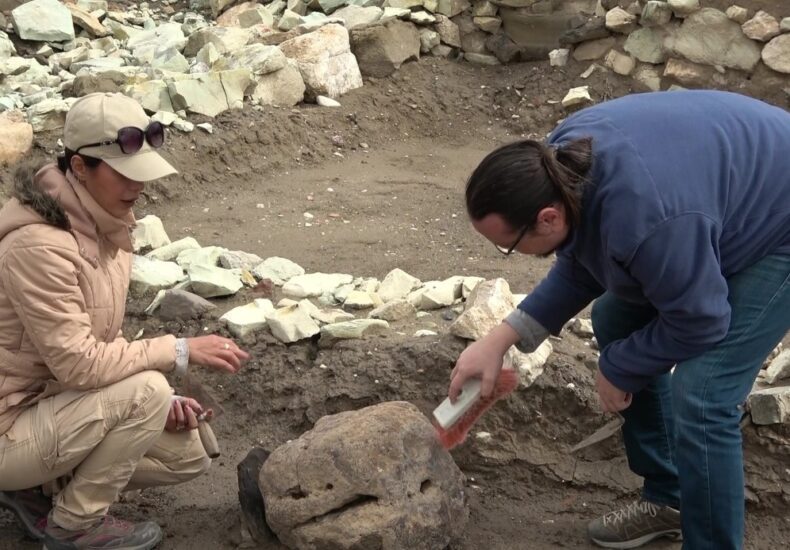
Possible Phoenician Infant Jar Burials Discovered at Oluz Höyük in Central Anatolia
Archaeological excavations at Oluz Höyük, an ancient multi-layered settlement near the modern city of Amasya in north-central Türkiye, have uncovered a group of infant and fetal burials that may point to previously undocumented Phoenician ritual practices in the Anatolian interior. The burials, placed inside ceramic jars, are considered unique within the archaeological record of Anatolia
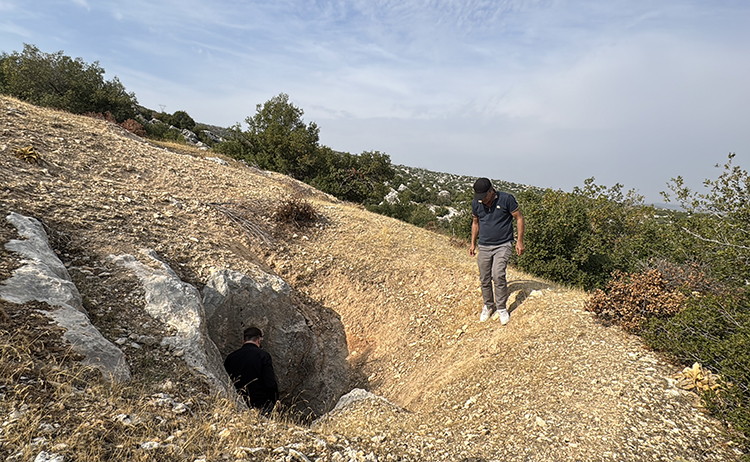
Rare 1,800-Year-Old Domed Roman Tomb Unearthed in Southeastern Anatolia
An archaeological discovery in southeastern Anatolia has brought to light a rare and architecturally sophisticated funerary structure. In the rural landscape of Besni, a district of Adıyaman, museum experts have identified a domed tomb chamber dating to the 2nd century CE—approximately 1,800 years ago—marking one of the most notable funerary finds ever recorded in the
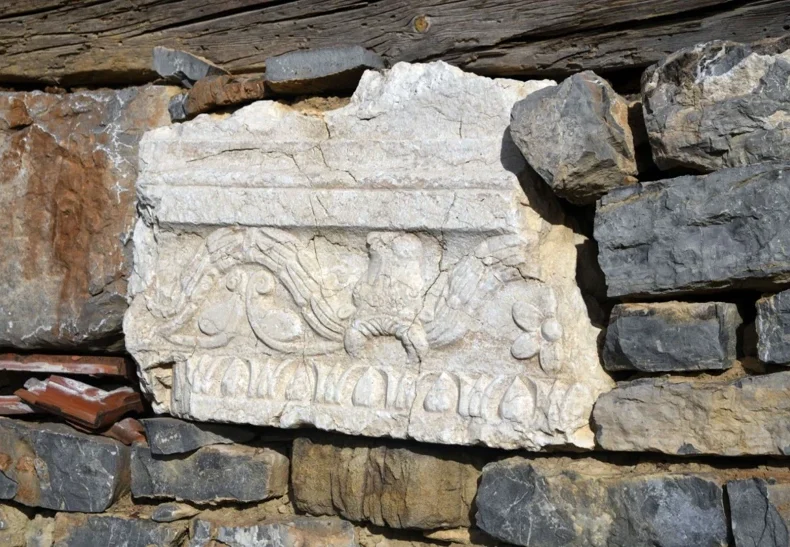
Villagers Used Stones from a Zeus Temple to Build Their Homes
In northern Anatolia, the remains of an ancient Roman sanctuary have resurfaced in a way few would expect. In the Daday district of Kastamonu, villagers once took stones from a temple dedicated to Zeus and reused them in the construction of their homes, embedding fragments of a sacred monument into everyday domestic architecture. The site
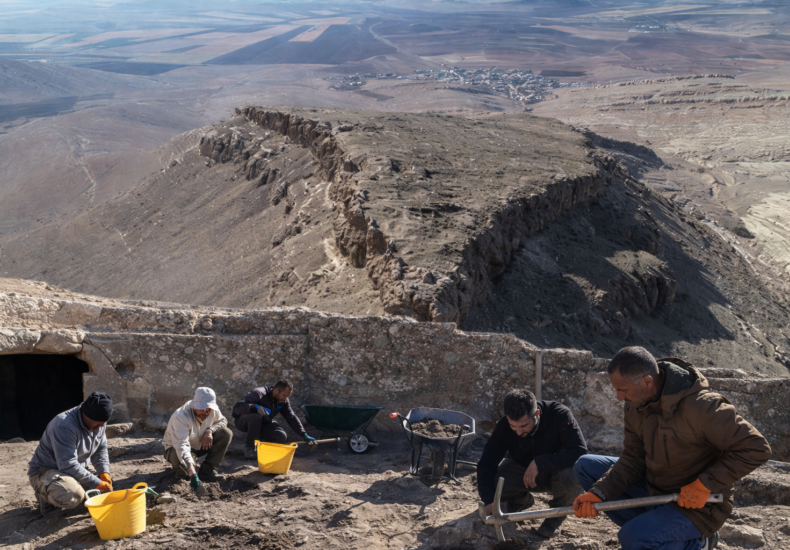
Excavations Begin at the Late Roman Rabat Castle Built to Protect Key Trade Routes
Archaeological excavations have begun at Rabat Castle, a Late Roman–period stronghold rising 955 meters above sea level in the Derik district of Mardin. Spreading across roughly 5.5 hectares, the fortress occupies a commanding position overlooking routes that once connected Anatolia with Upper Mesopotamia. Archaeological assessments indicate that Rabat Castle was constructed during the Late Roman
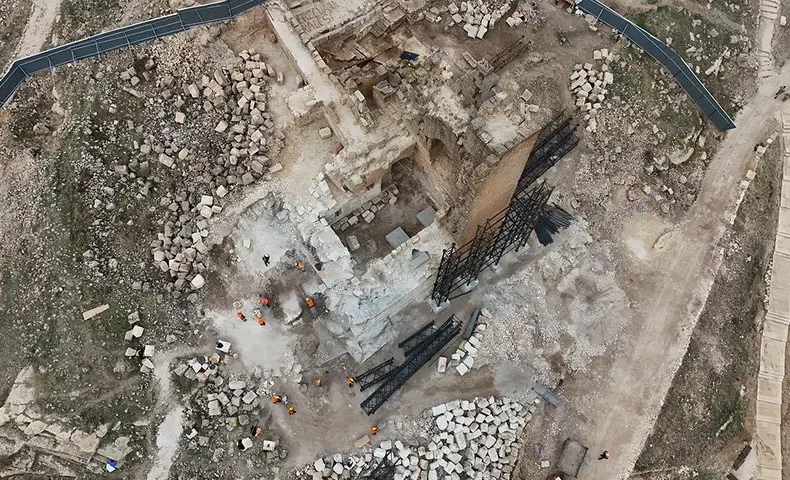
Restoration Works to Expand at Zerzevan Castle, the Easternmost Garrison of the Roman Empire
Restoration efforts are set to enter a new phase at Zerzevan Castle, one of the most strategically significant military installations on the eastern frontier of the Roman Empire. While conservation work continues at the southern tower and the large basilica, plans are in place to extend restoration next year to the underground church, the Mithras
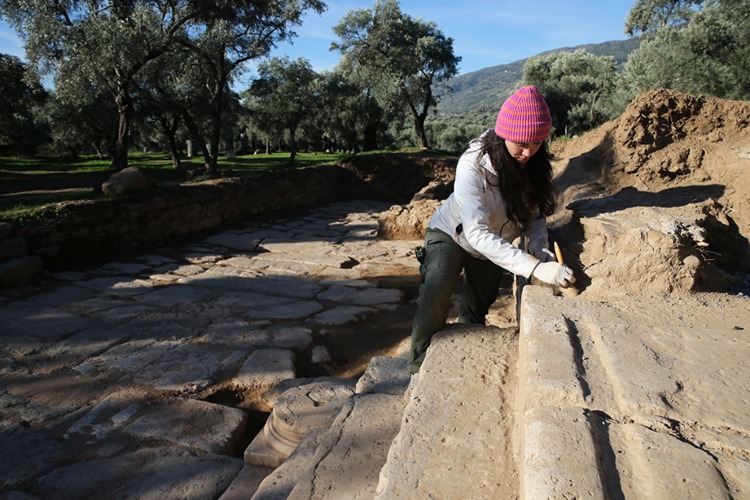
At Nysa, the Road to Knowledge Emerges Again: 1,800-Year-Old Steps to a Roman Library Revealed
In the early hours of the excavation season, as the soil was carefully lifted from a Roman street in western Anatolia, a forgotten route resurfaced — one that once led directly to knowledge itself. At Nysa Ancient City, archaeologists have uncovered a set of marble steps dating back roughly 1,800 years, revealing how ancient visitors
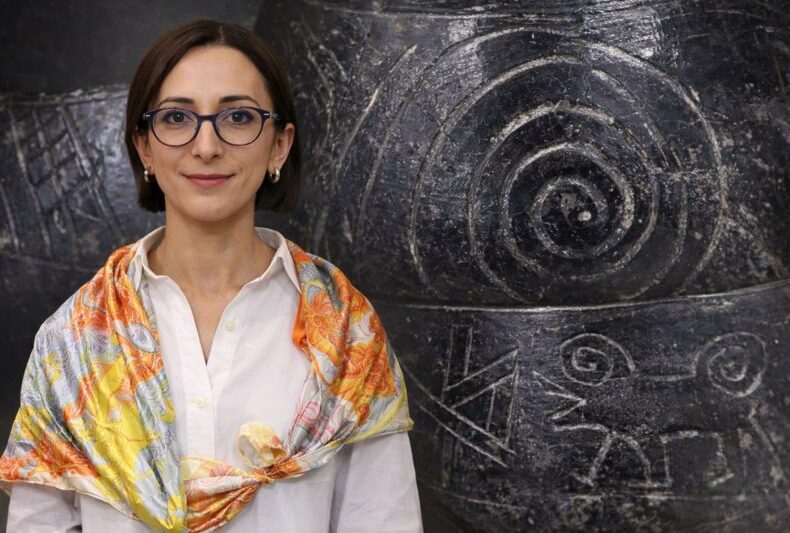
Symbols Beyond Decoration: New Research Decodes the Visual Language of Karaz Pottery
At first glance, Karaz pottery looks restrained—almost austere. Dark surfaces. Limited color. Repeating forms.But that first impression is deceptive. Look closer, and those vessels begin to speak. According to a new doctoral study, the motifs covering Karaz ceramics were not added merely to decorate everyday objects. They formed a visual language, developed and understood within
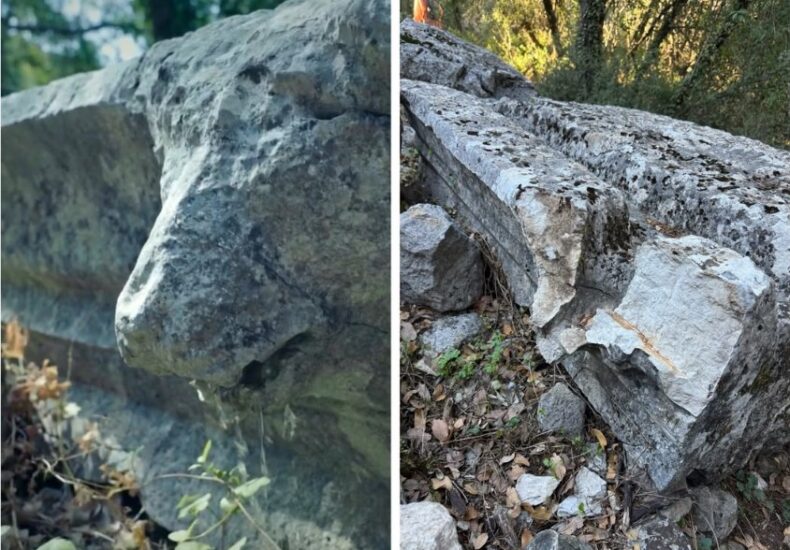
2,000-Year-Old Lion-Headed Gargoyle Damaged at Termessos, the City Alexander the Great Could Not Conquer
At the ancient city of Termessos, one of the most dramatic mountain strongholds of ancient Anatolia, a 2,000-year-old lion-headed gargoyle has been found broken, raising renewed concerns about the protection of archaeological heritage sites in Türkiye. Located at an altitude of around 1,150 meters in the Taurus Mountains near Antalya, Termessos is famously known as