
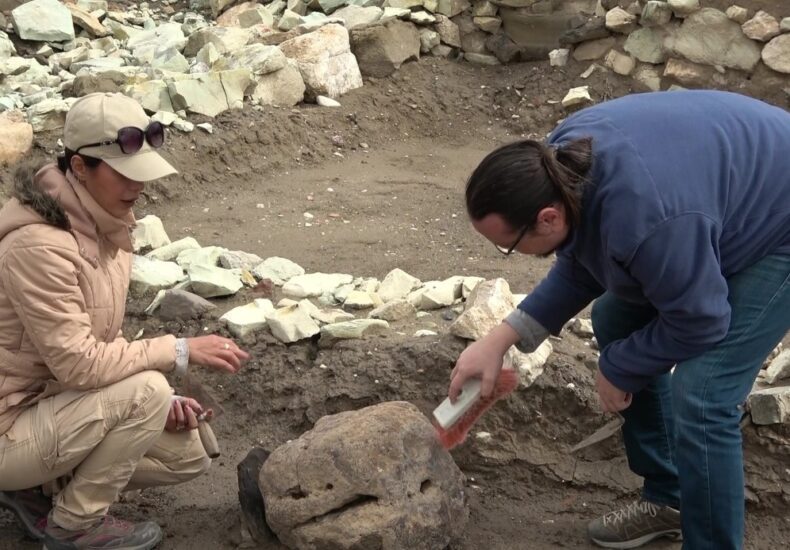
Possible Phoenician Infant Jar Burials Discovered at Oluz Höyük in Central Anatolia
Archaeological excavations at Oluz Höyük, an ancient multi-layered settlement near the modern city of Amasya in north-central Türkiye, have uncovered a group of infant and fetal burials that may point to previously undocumented Phoenician ritual practices in the Anatolian interior. The burials, placed inside ceramic jars, are considered unique within the archaeological record of Anatolia
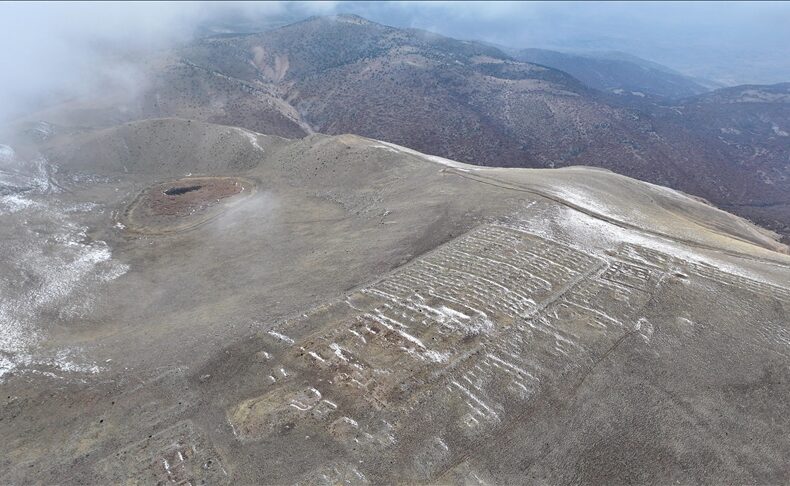
The Only Known City of the Neo-Hittite Kingdom of Tabal Stands on Mount Göllü in Central Anatolia
Around 2,800 years ago, the Neo-Hittite Kingdom of Tabal emerged as one of the successor states that reshaped central Anatolia following the collapse of the Hittite Empire. Today, the only archaeologically identified urban center attributed to this kingdom occupies an exceptional location: the summit of Mount Göllü, within the borders of Kömürcü village in Niğde
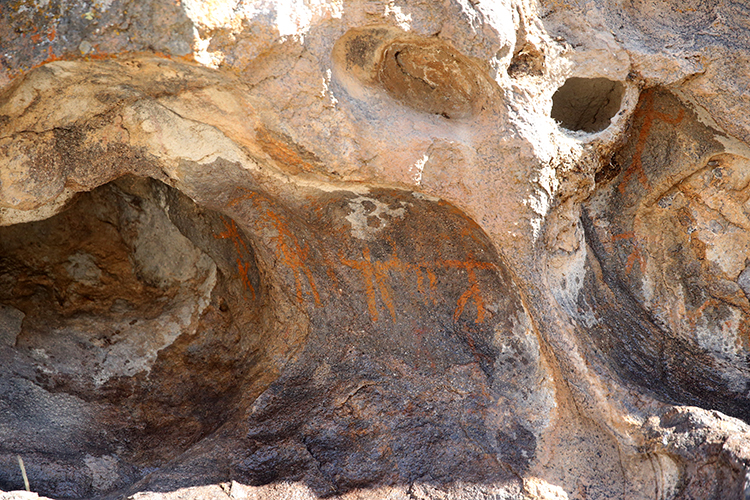
Neolithic Rock Art Discovered in Central Türkiye After Hiker Spots Ancient Cliff Figures
A routine walk through the mountains of central Türkiye has led to a discovery that could reshape the prehistoric timeline of the region. A local resident exploring a remote highland area noticed faint yet distinctive human-shaped markings on a rock face and immediately reported the find to authorities. Early examinations indicate that the figures belong
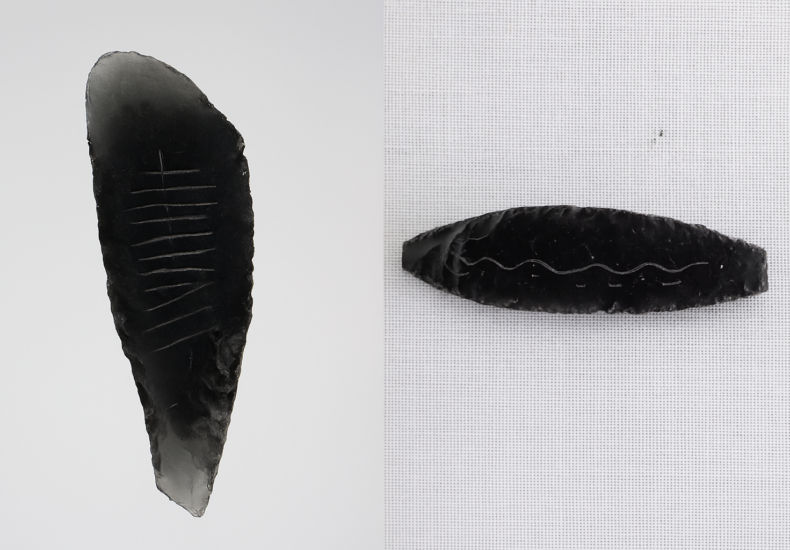
8,500-Year-Old Obsidian Mirrors Unearthed at Canhasan, Home to Anatolia’s Oldest Known Street
The Neolithic settlement of Canhasan in Karaman—long recognized for preserving Anatolia’s oldest known street—has yielded an extraordinary new discovery. During this year’s excavations, archaeologists uncovered a set of finely crafted obsidian mirrors dating back 8,500 years, along with decorated obsidian tools that reveal a distinct symbolic tradition within Central Anatolia’s early farming communities. A Settlement

Was Öksüt Castle Once a Hittite Stronghold? Local Experts Reconsider the Origins of a Massive Rock-Cut Fortress in Central Anatolia
High on the southern slopes of Mount Erciyes, the vast rock-cut complex of Öksüt Castle dominates the landscape with a network of carved chambers, tunnels, cisterns, and multi-level passageways. Although long known to the local population, the fortress is once again drawing attention as scholars and heritage specialists revisit longstanding claims of a Hittite-era origin
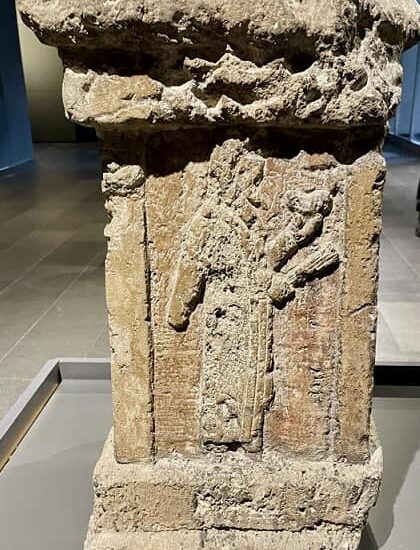
A 2500-Year-Old Persian Fire Altar Reflecting the Fire Cult in Central Anatolia
Discovered in the Bünyan district of Kayseri, Central Anatolia, in the 1930s, the Persian Fire Cult Altar, dating back to 500 BC, is a unique artifact used in Persian fire-related religious rituals. Initially transferred to the Museum of Anatolian Civilizations for security reasons, this altar is known to be the only example depicting the Persian
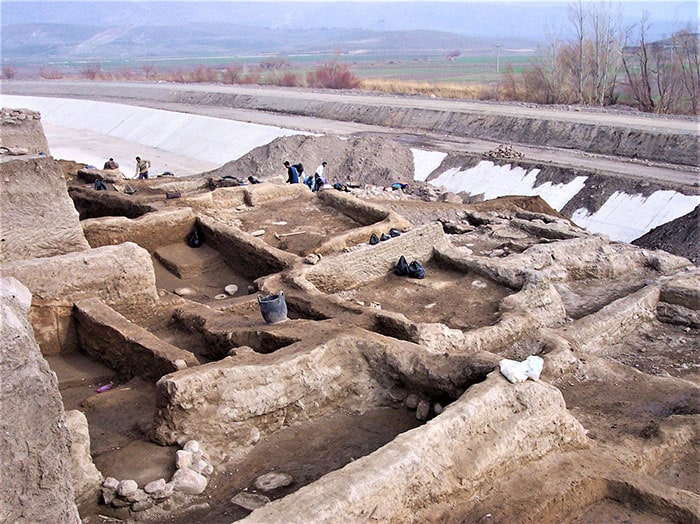
Gökhöyük might possess a settlement that will shed light on the 7000-year history of Central Anatolia
Gökhöyük, located in the Seydişehir district of Konya province, is believed to have a settlement dating back to the 7th millennium BC. During the rescue excavations carried out at Gökhöyük between 2022 and 2005, structures such as houses, walls, and burial areas were uncovered, along with various artifacts including pottery, tools, and metal objects. The