
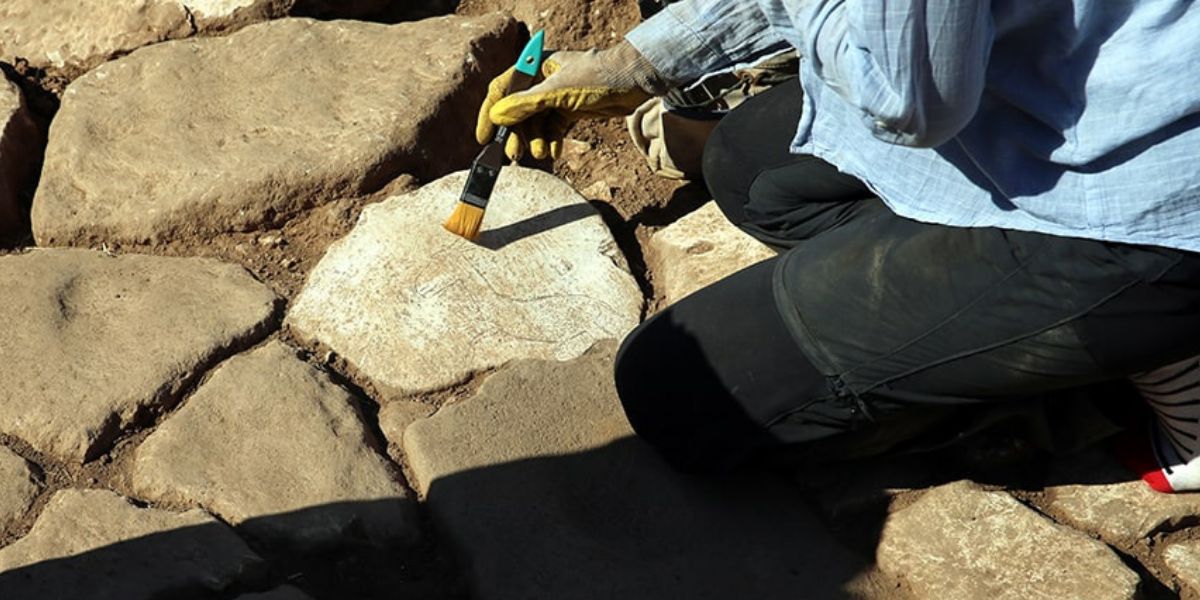
Running wild donkey figure carved into the ground stone discovered in Karahantepe
In Karahantepe, a Neolithic settlement with a history of approximately 12,000 years, a figure of a running wild donkey carved on stone was unearthed. Karahantepe is considered to be an important turning point in humanity’s transition to settled life As in Göbeklitepe, T-shaped obelisks were also found in Karahantepe. These obelisks provide important information about

A painted, wild boar sculpture discovered at Göbeklitepe
Exciting discoveries have been made at Göbeklitepe and Karahantepe, often referred to as the “zero point” of history. In Göbeklitepe, a life-sized sculpture of a wild boar was unearthed. As part of the Taş Tepeler project, which sheds light on prehistory and has seen highly significant discoveries on a global scale, the archaeological excavations carried
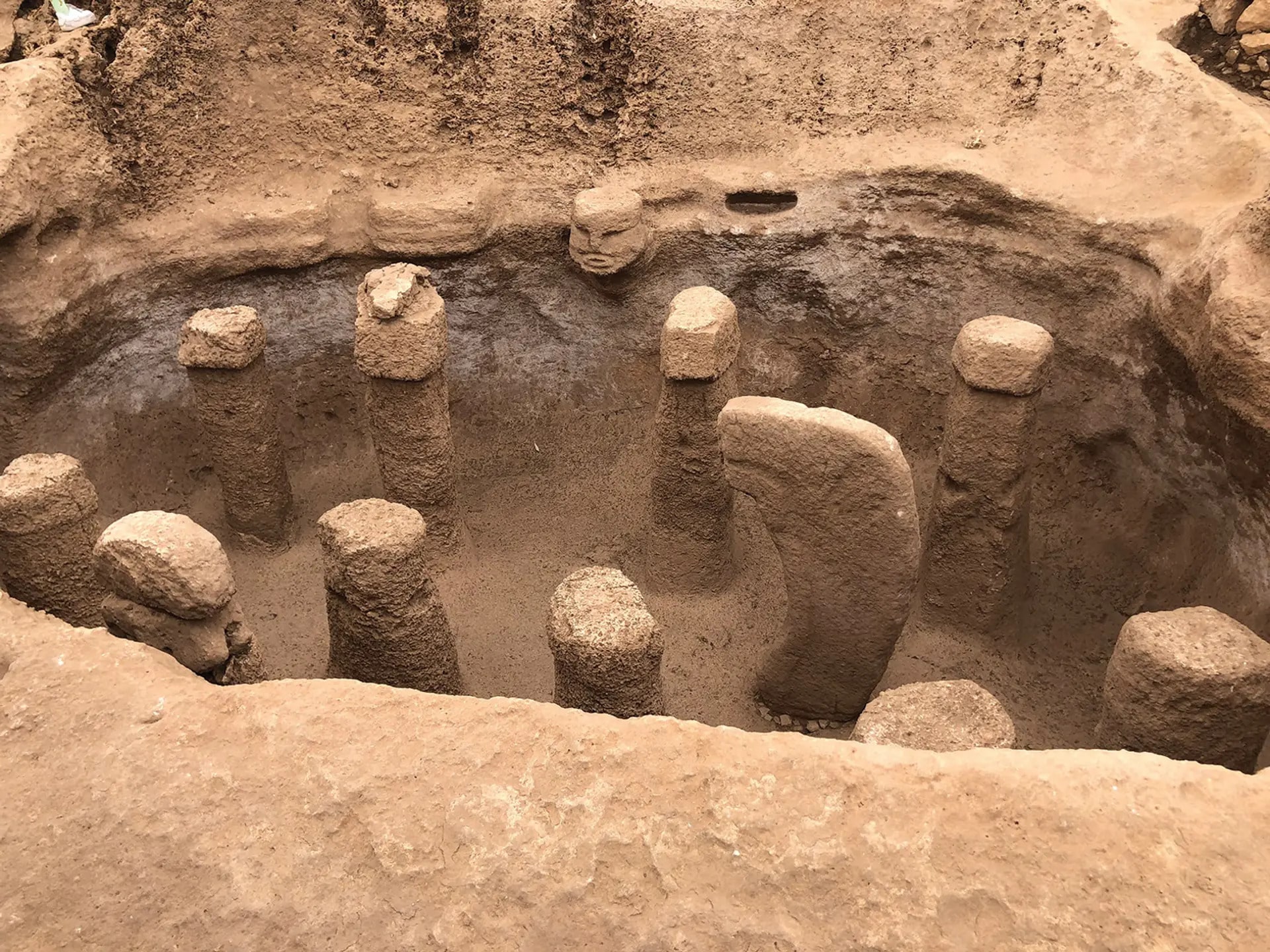
An impressive prehistoric architectural engineering “Karahantepe”
Karahantepe, known locally as “Keçilitepe”, is a prehistoric site in an upland area of the Tektek Mountains in the Southeastern Anatolia Region, Türkiye. Located just over 45 kilometers (27 miles) east of Göbekli Tepe, Karahan Tepe was first discovered in 1997. While the archaeological site has still not been fully excavated, digs have revealed that
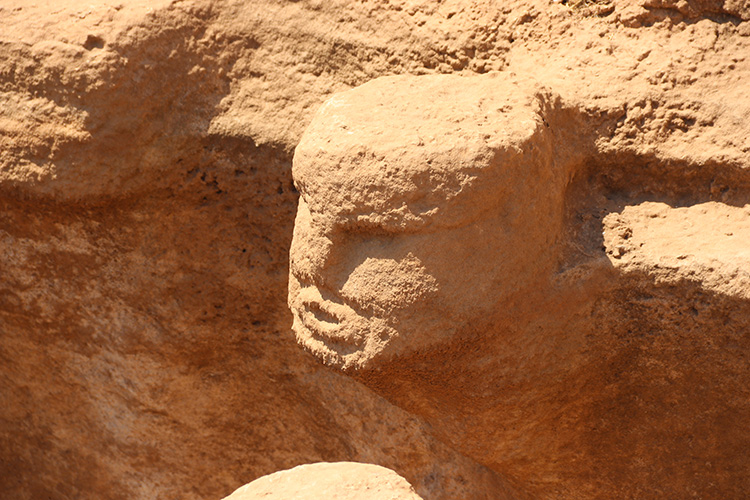
The traces of settlement are being reached in the excavations at Karahantepe
Karahantepe archaeological site excavations provide new information about the ancient past and human settlement patterns. The site is known for its stratified layers of occupation that span a wide range of historical periods, including the Neolithic, Chalcolithic, and Early Bronze Ages. These layers reveal a complex history of human habitation and cultural evolution. The works