
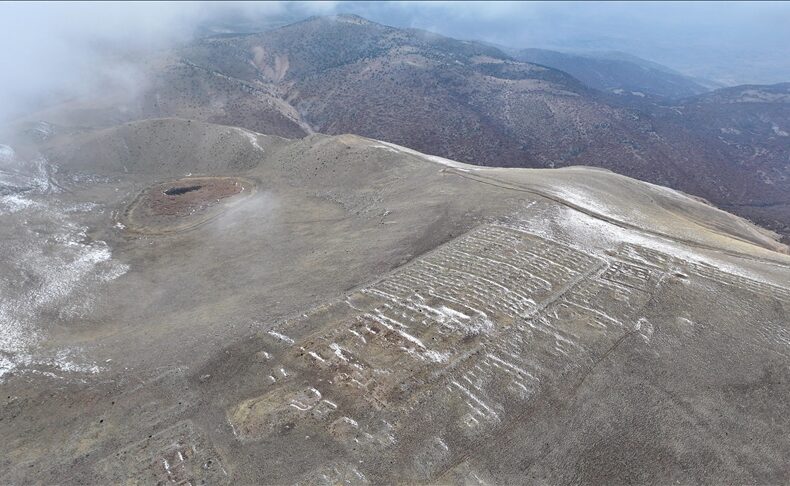
The Only Known City of the Neo-Hittite Kingdom of Tabal Stands on Mount Göllü in Central Anatolia
Around 2,800 years ago, the Neo-Hittite Kingdom of Tabal emerged as one of the successor states that reshaped central Anatolia following the collapse of the Hittite Empire. Today, the only archaeologically identified urban center attributed to this kingdom occupies an exceptional location: the summit of Mount Göllü, within the borders of Kömürcü village in Niğde
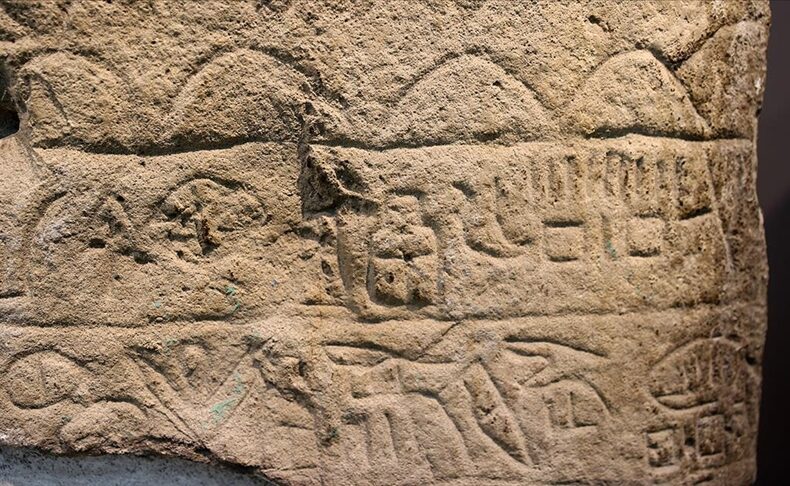
Four-Generation Monument from the Late Hittite Period with Luwian Hieroglyphs: The İspeçkır Stele
Discovered in 1907 in the Darende district of Malatya, Türkiye, the İspeçkır Stele is an extraordinary artifact from the Late Hittite Period (circa 1200–700 BCE). Today, it is on display at the Sivas Archaeology Museum, offering visitors a unique glimpse into the royal lineage and belief systems of the ancient Hittite world. The monument features
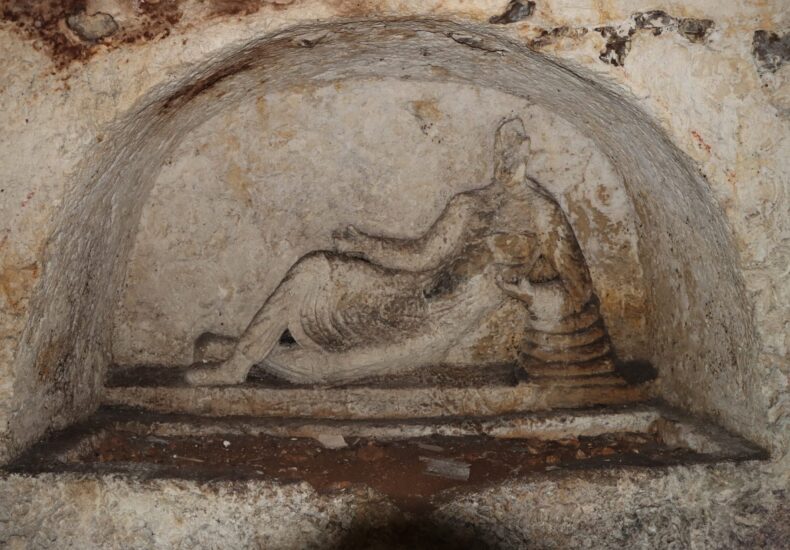
Unique rock tomb discovered by chance in the courtyard of a house in southeastern Türkiye
Şanlıurfa, located in southeastern Türkiye, has added a new mysterious page to its historical record. A 2300-year-old rock tomb, discovered by chance in the courtyard of a house, sheds light on the city’s thousands of years of history. This significant discovery, announced by Şanlıurfa Governor Hasan Şıldak, once again revealed the region’s rich cultural heritage.