
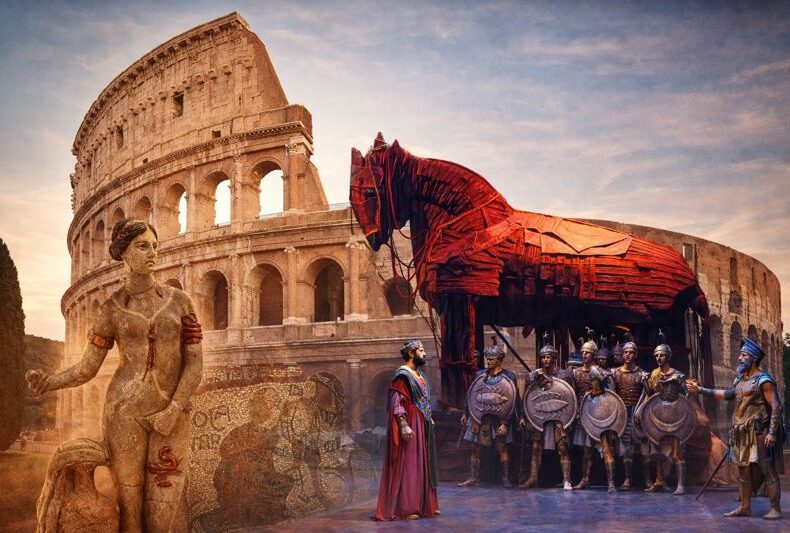
Troy to Take Center Stage at Rome’s Colosseum in Major 2026 Exhibition
In 2026, one of Anatolia’s most enduring stories will unfold at the very heart of ancient Rome. A comprehensive exhibition dedicated to Troy, the UNESCO-listed archaeological site in northwestern Türkiye, will be hosted at the Colosseum Archaeological Park in Rome, one of the most visited heritage complexes in the world.
The announcement was made by Türkiye’s Minister of Culture and Tourism, Mehmet Nuri Ersoy, who described the project as a new milestone in international cultural cooperation. “We are once again bringing Türkiye’s unique cultural heritage to the Colosseum, the symbolic core of Ancient Rome,” Ersoy stated. “Now, it is Troy’s turn.”
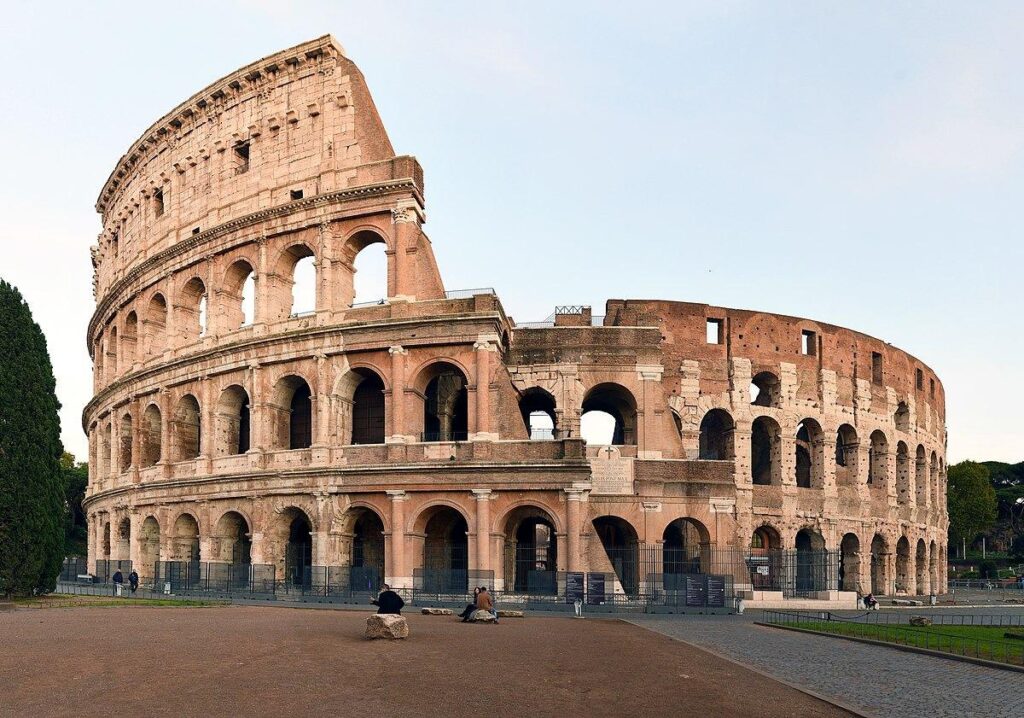
Troy Returns to Rome’s Cultural Stage
The upcoming exhibition follows a series of high-profile Anatolian archaeology showcases held at the Colosseum in recent years, including Göbeklitepe: The Enigma of a Sacred Place and the 2025 exhibition Magna Mater. With Troy, the narrative shifts to one of the most influential cultural and mythological landscapes shared between Anatolia and the Mediterranean world.
Although Troy is rooted in the archaeology of Bronze Age Anatolia, its legacy resonated deeply within Roman culture. Roman elites traced their mythical ancestry to Trojan heroes, and the story of Troy shaped Roman identity, literature, and imperial ideology for centuries. Hosting the exhibition in Rome therefore places Troy not only in a geographical dialogue, but also within its historical afterlife.
📣 Our WhatsApp channel is now LIVE! Stay up-to-date with the latest news and updates, just click here to follow us on WhatsApp and never miss a thing!!
A Joint Cultural Commitment Between Türkiye and Italy
According to Minister Ersoy, the exhibition is the result of sustained diplomatic and cultural negotiations carried out in both Rome and Ankara. These talks culminated in a mutual declaration of intent signed on 11 December, formalizing cooperation between Turkish and Italian cultural institutions.
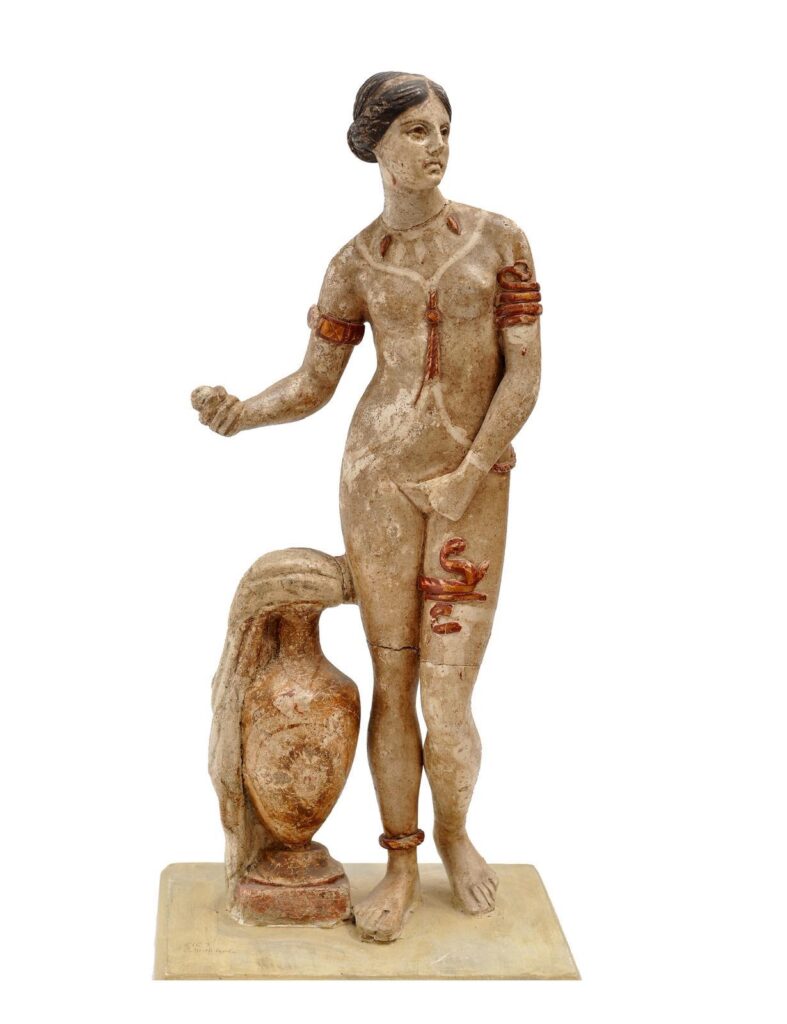
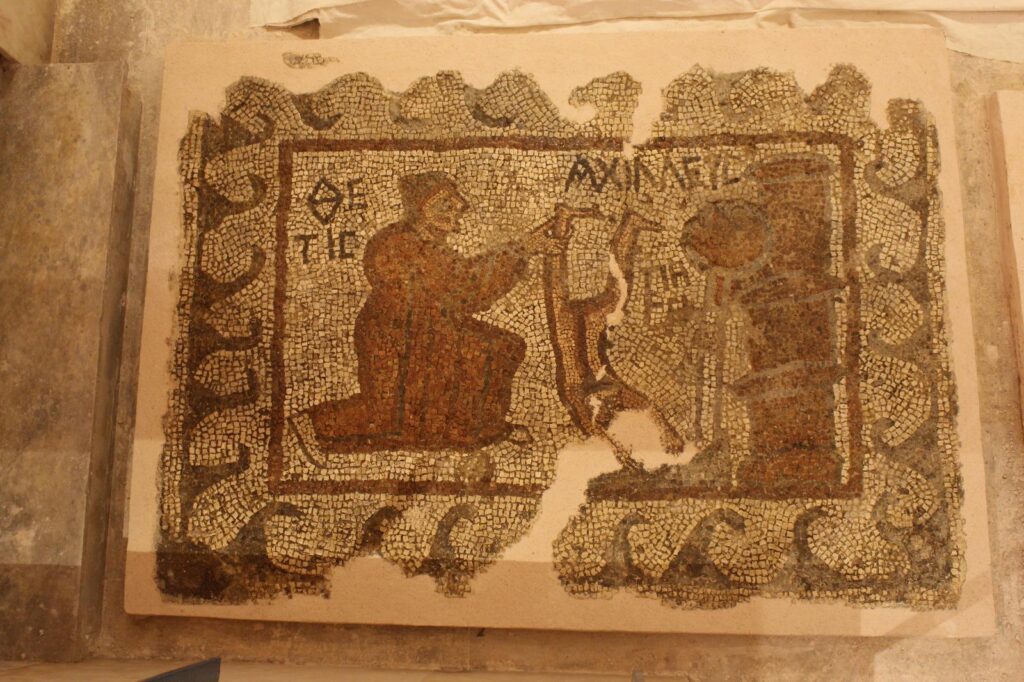
Artifacts for the exhibition will be selected primarily from the Troy Museum, alongside complementary pieces from museums in Türkiye and Italy. Together, they are expected to present Troy through archaeological evidence rather than legend alone—highlighting the site’s stratified history, material culture, and long-term significance in Anatolia.
Archaeology Meets Performing Arts
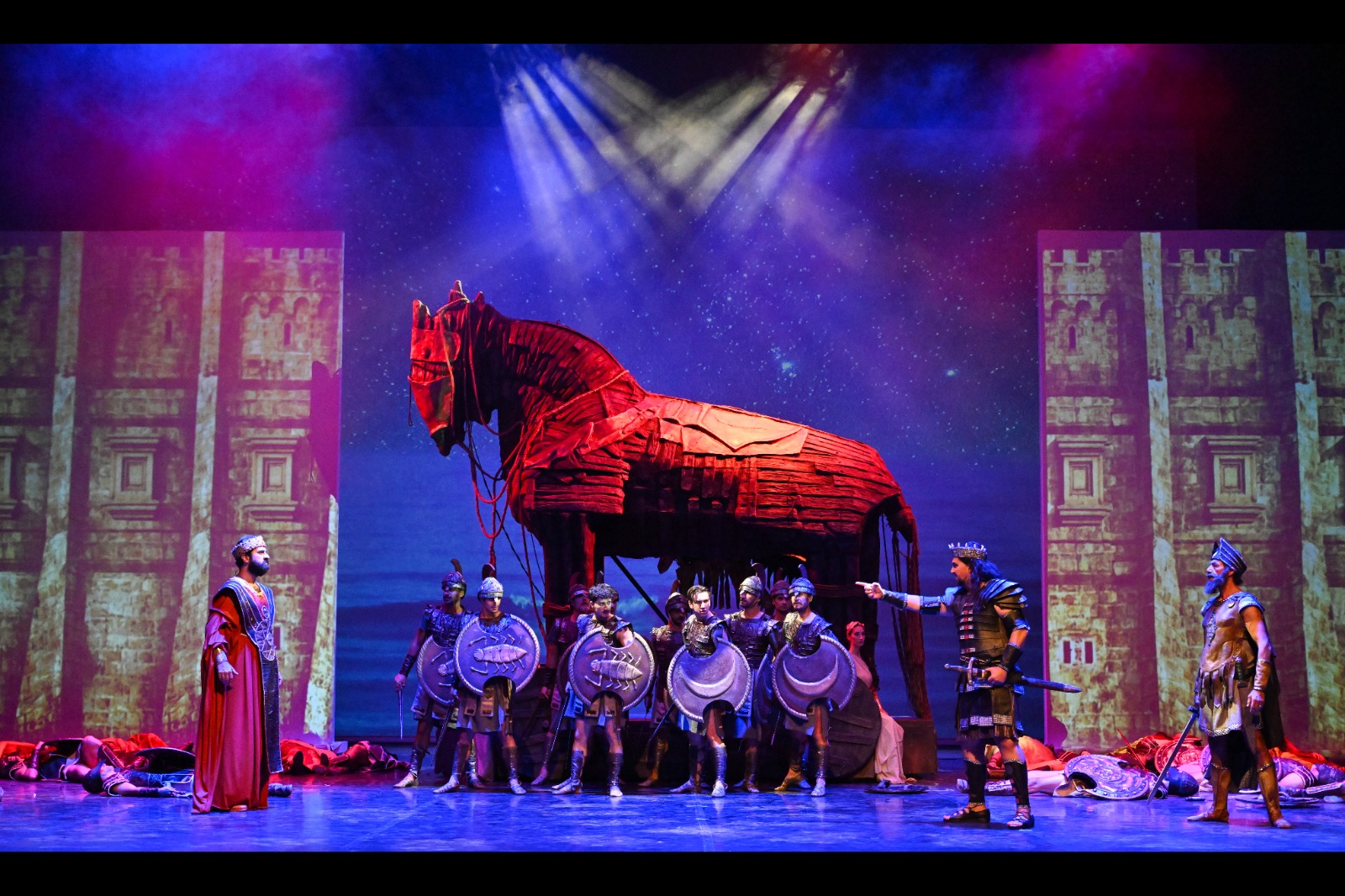
The Troy exhibition will extend beyond museum display. Ersoy also announced that the project will be accompanied by the Troy Opera, prepared by Türkiye’s State Opera and Ballet. Through staged performances in Rome, the Trojan narrative will be reinterpreted for contemporary audiences via music and theatrical storytelling.
This interdisciplinary approach reflects a broader strategy to present Anatolian heritage as a living cultural continuum—one that moves fluidly between archaeology, art history, and performance.
Strengthening Anatolian Archaeology’s Global Presence
The Turkish Ministry of Culture and Tourism has framed the 2026 Troy exhibition as a “strong new step” in Türkiye–Italy cultural relations. More broadly, it reinforces a growing pattern: Anatolia’s key archaeological sites are increasingly being presented on global platforms not as isolated discoveries, but as foundational chapters of world history.
By placing Troy at the Colosseum, the exhibition underscores a shared Mediterranean past—where Anatolia and Rome were not distant worlds, but deeply interconnected cultural spheres. For international audiences, the project offers a rare opportunity to encounter Troy not as myth alone, but as an archaeological and historical reality rooted firmly in Anatolia.
- A 1700-year-old statue of Pan unearthed during the excavations at Polyeuktos in İstanbul
- The granary was found in the ancient city of Sebaste, founded by the first Roman emperor Augustus
- Donalar Kale Kapı Rock Tomb or Donalar Rock Tomb
- Theater emerges as works continue in ancient city of Perinthos
- Urartian King Argishti’s bronze shield revealed the name of an unknown country
- The religious center of Lycia, the ancient city of Letoon
- Who were the Luwians?
- A new study brings a fresh perspective on the Anatolian origin of the Indo-European languages

- Perhaps the oldest thermal treatment center in the world, which has been in continuous use for 2000 years -Basilica Therma Roman Bath or King’s Daughter-
- The largest synagogue of the ancient world, located in the ancient city of Sardis, is being restored
Leave a Reply