
2,800-Year-Old Inscriptions from Körzüt Reveal Urartu’s Conquest Strategy and Divine Legitimacy
Newly uncovered 2,800-year-old cuneiform inscriptions from the Körzüt Fortress in eastern Anatolia provide rare, first-hand evidence of how the Kingdom of Urartu justified military expansion through divine authority. Dating to the reign of King Minua, the texts document not only conquest but the ideological language that bound warfare, religion, and state power together.
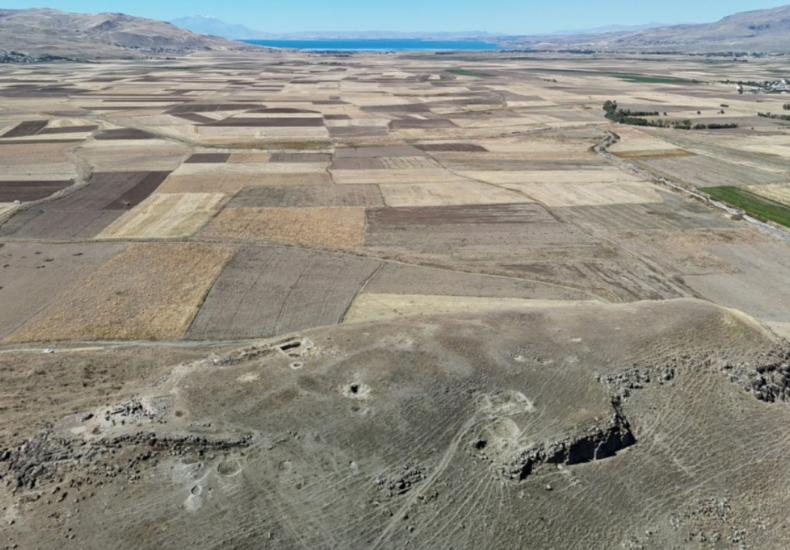
Körzüt Fortress on Urartu’s Northern Frontier
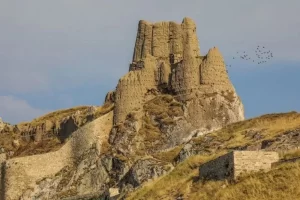
Discovered during rescue excavations carried out in 2023 by the Van Museum Directorate, the inscriptions were found at Körzüt Fortress, a strategically positioned stronghold overlooking the Muradiye Plain. The site controlled routes linking the Lake Van Basin with the Aras Valley and the Iranian plateau, making it a key element in Urartu’s northern defensive network.
Archaeological evidence now suggests that Körzüt was more than a military outpost. Its scale, architecture, and inscriptions point to a centrally planned royal foundation.
Language of Power Carved in Stone
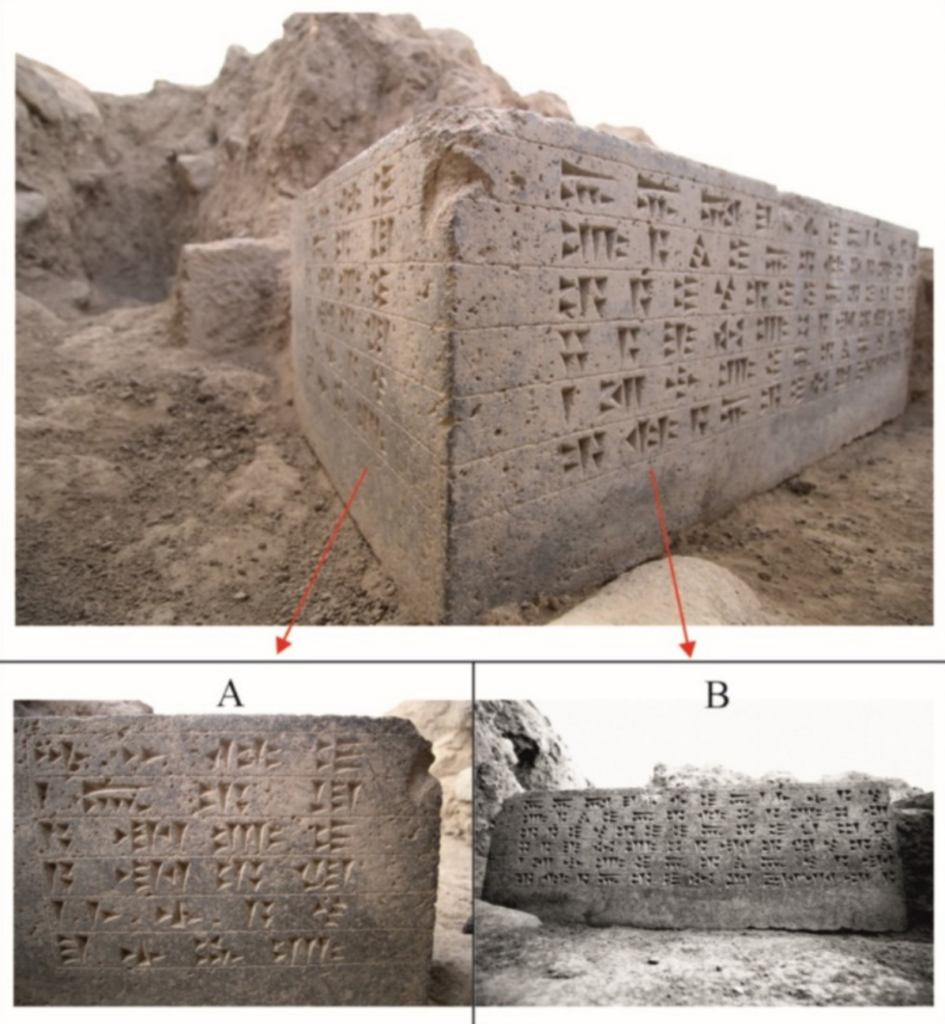
The basalt inscriptions, written in classical Urartian cuneiform, were analyzed by scholars from Van Yüzüncü Yıl University and Istanbul University. The texts describe a campaign led by Minua and open with a standard royal formula linking the king’s actions directly to divine power.
📣 Our WhatsApp channel is now LIVE! Stay up-to-date with the latest news and updates, just click here to follow us on WhatsApp and never miss a thing!!
This language reflects a core principle of Urartian ideology: military success was not merely political but divinely sanctioned.
The Conquest of Luḫiuni
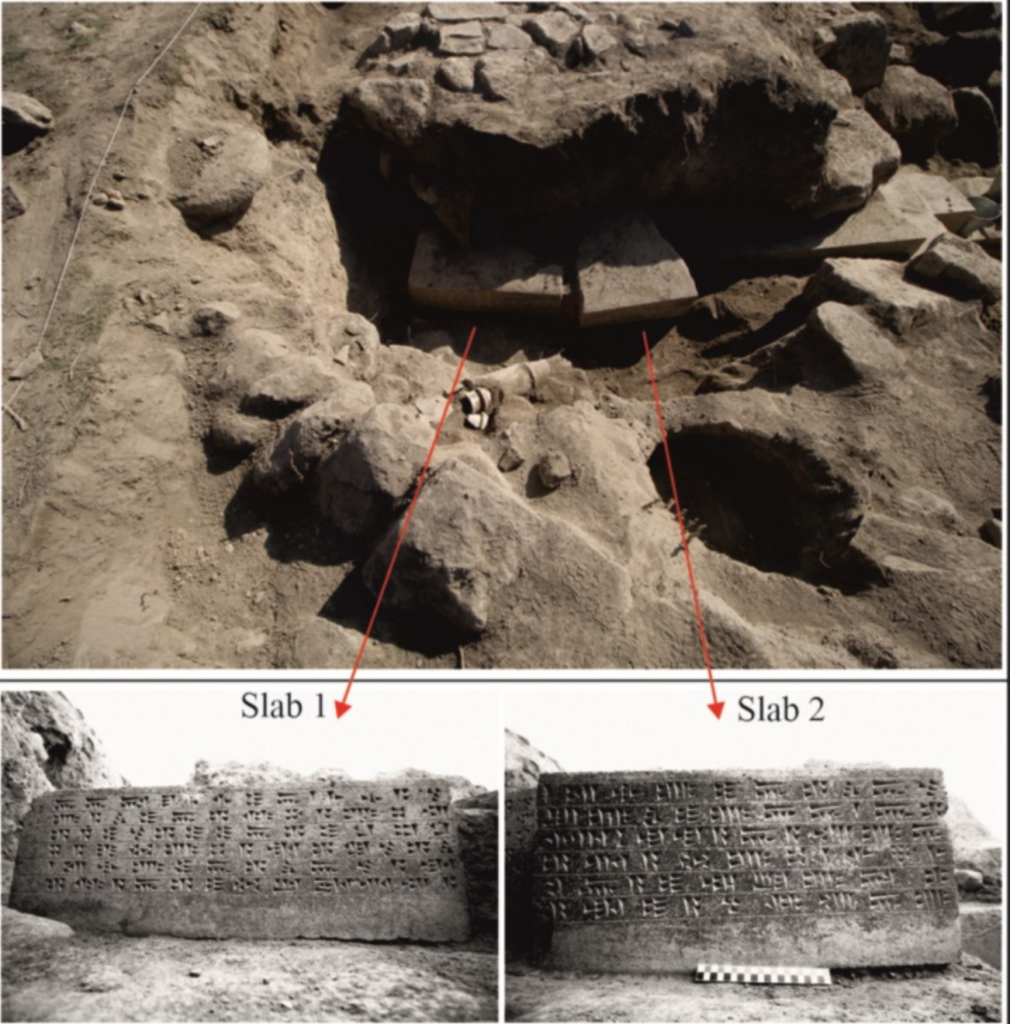
One of the most significant passages records the capture of Luḫiuni, the royal city of the Erkua tribal union. Minua emphasizes that the city had never been conquered before. The inscriptions detail the seizure of people and livestock, which were transported to the Urartian capital of Tušpa.
These accounts reveal how conquest functioned as a mechanism for population control and economic integration within the Urartian state.
Haldi’s Temple as a Royal Stage
The inscriptions were embedded in the walls of a Susi Temple dedicated to Haldi, the chief deity of the Urartian pantheon. The square-plan structure, built directly on bedrock, conforms to known Urartian religious architecture.
Placing royal inscriptions within the temple underscores Körzüt’s role as a space where divine authority and royal power were deliberately intertwined.
Reconstructing a Lost Inscription Program
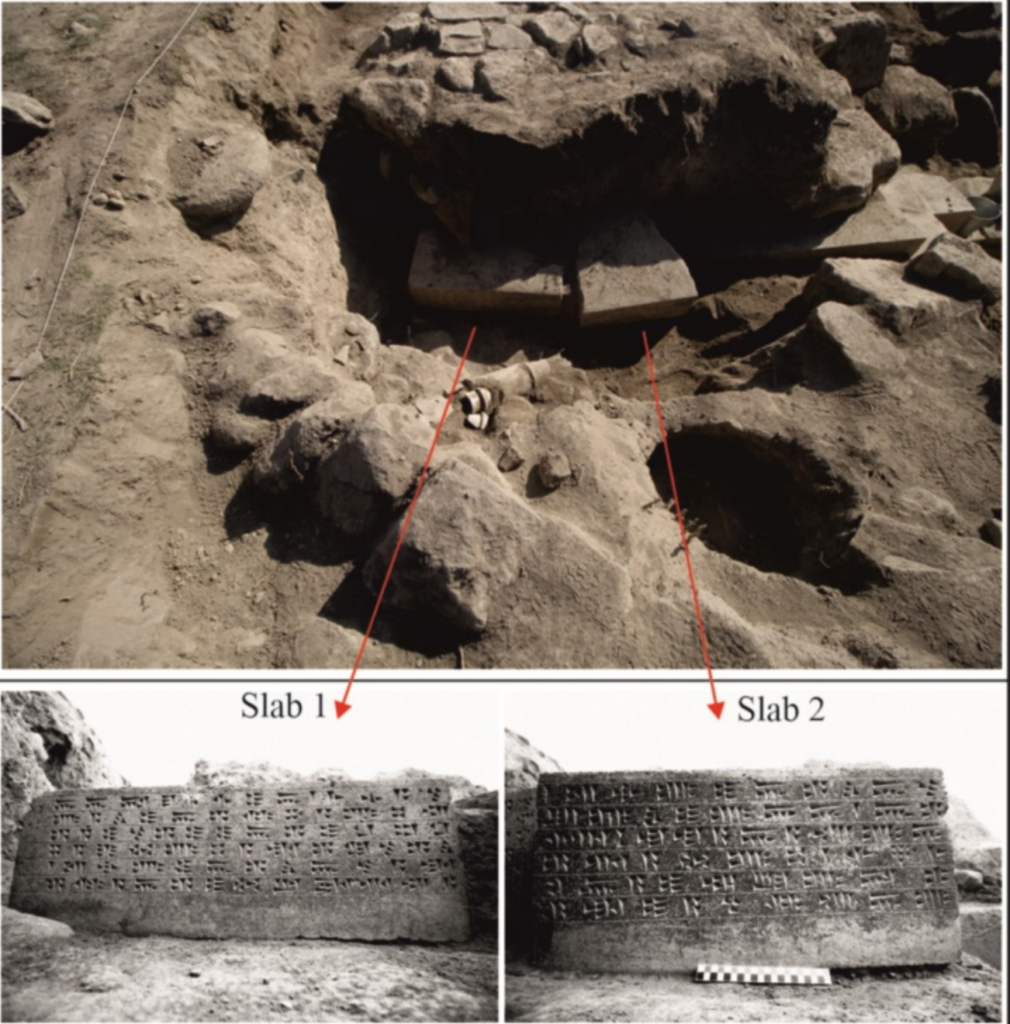
The Körzüt discoveries also clarify the origins of previously scattered Urartian inscription fragments found in nearby villages. Linguistic parallels strongly suggest that these pieces once belonged to a larger monumental inscription program centered at the fortress.
This allows scholars to reconstruct missing sections, revise earlier readings, and refine our understanding of the Urartian language.
A Key Site in Urartu’s Imperial Expansion
The inscriptions firmly date Körzüt Fortress to the late ninth century BCE, during Minua’s reign, placing it within the period when Urartu emerged as a centralized and expansionist state.
Together, the Körzüt texts provide a clear and direct window into how Urartu projected power, legitimized conquest, and anchored royal authority along its northern frontier—making the site one of the most significant recent discoveries in eastern Anatolian archaeology.
Erdoğan, S., & Süğlüm, A. (2025). Recently discovered Urartian cuneiform inscriptions in the temple of the Körzüt fortress. Anadolu Araştırmaları / Anatolian Research, 31, 145–169. https://doi.org/10.26650/anar.2024.31.1593151
Cover Image Credit: Erdoğan, S., & Süğlüm, A. (2025) – Anatolian Research
- A 1700-year-old statue of Pan unearthed during the excavations at Polyeuktos in İstanbul
- The granary was found in the ancient city of Sebaste, founded by the first Roman emperor Augustus
- Donalar Kale Kapı Rock Tomb or Donalar Rock Tomb
- Theater emerges as works continue in ancient city of Perinthos
- Urartian King Argishti’s bronze shield revealed the name of an unknown country
- The religious center of Lycia, the ancient city of Letoon
- Who were the Luwians?
- A new study brings a fresh perspective on the Anatolian origin of the Indo-European languages

- Perhaps the oldest thermal treatment center in the world, which has been in continuous use for 2000 years -Basilica Therma Roman Bath or King’s Daughter-
- The largest synagogue of the ancient world, located in the ancient city of Sardis, is being restored
Leave a Reply