
3,000 Ritual Hydriskoi Discovered at Demeter–Kore Temple in Aigai, Western Türkiye
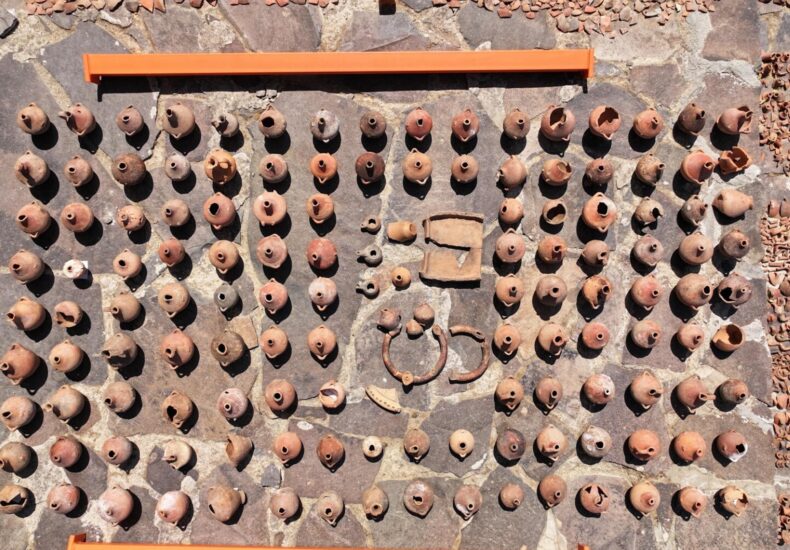
A quiet sanctuary overlooking the rugged slopes of Yuntdağı has revealed an extraordinary testimony to ancient ritual life. Archaeologists working at the Demeter–Kore Temple in Aigai have uncovered approximately 3,000 small terracotta water vessels known as hydriskoi — one of the most substantial votive accumulations ever documented at the site.
The excavation, conducted for the first time in this specific temple area, began in April 2025 under Türkiye’s Ministry of Culture and Tourism “Legacy for the Future” initiative. According to excavation director Prof. Dr. Yusuf Sezgin, the fieldwork lasted six to seven months and produced “remarkably concentrated ritual deposits.”
A Sacred Deposit of Water Offerings
Although the temple dedicated to Demeter, goddess of agriculture and fertility, and her daughter Kore (Persephone) was first identified in the 1880s, it had never been systematically excavated. The 2025 campaign changed that.
Archaeologists identified a deliberately arranged accumulation zone where thousands of small ceramic vessels had been placed. These hydriskoi, typically used to carry small quantities of clean water, were likely offered during purification rites and seasonal ceremonies linked to agricultural cycles.
📣 Our WhatsApp channel is now LIVE! Stay up-to-date with the latest news and updates, just click here to follow us on WhatsApp and never miss a thing!!
Prof. Sezgin explained:
“Demeter is the goddess of the earth and fertility. Agricultural continuity was vital in this geography. At specific times of the year, clean water was presented to the goddess in small terracotta vessels. These sacred objects were gathered in a designated area. What we uncovered represents this ritual accumulation.”
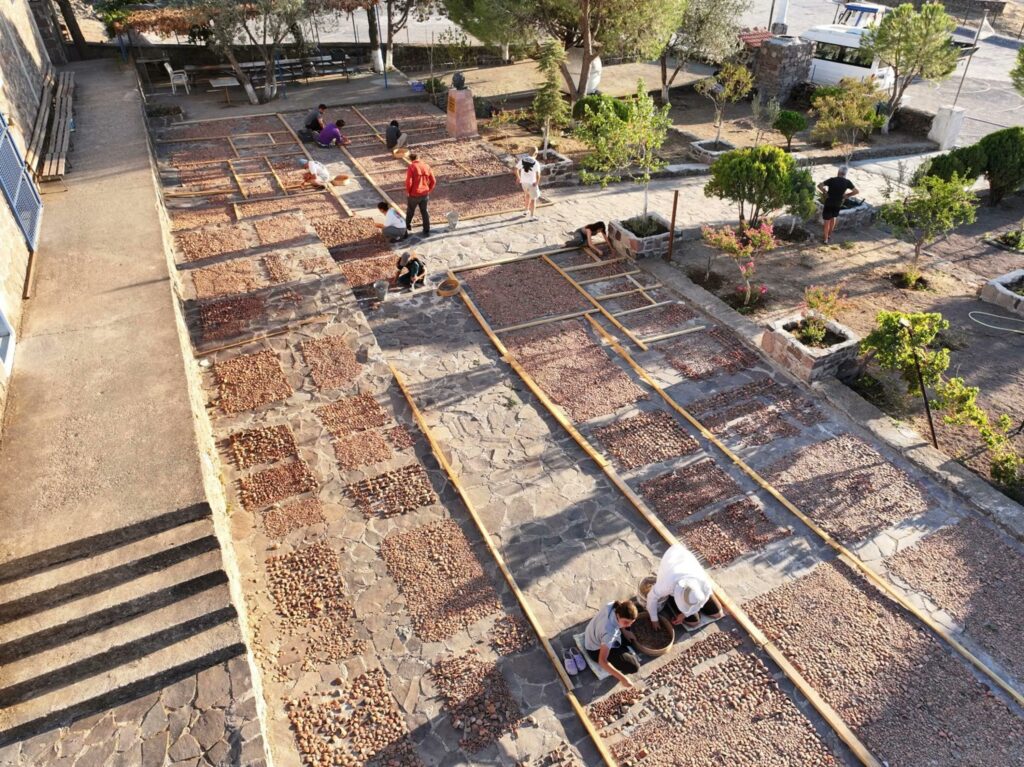
The vessels were found in fragmented condition but are being carefully reassembled and conserved in the excavation depot.
What Is a Hydriskos?
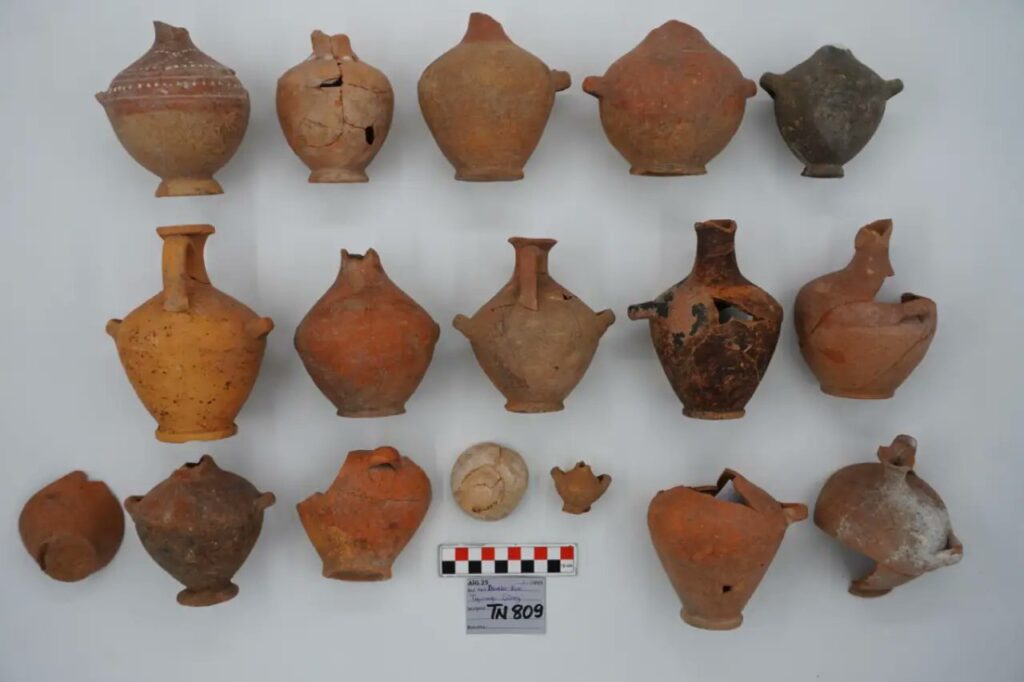
A hydriskos (plural: hydriskoi) is a small water container known from the Greek world, usually single-handled and modest in size. While such vessels could serve practical domestic functions, their presence in sanctuaries often indicates ritual use.
What makes Aigai particularly significant is not the existence of hydriskoi themselves — but their scale. The discovery of roughly 3,000 examples within a defined sacred context strongly suggests repeated, organized ceremonial activity over an extended period.
This concentration implies a deeply rooted cult practice rather than sporadic devotion.
Demeter and Kore in Western Anatolia
The cult of Demeter and Kore was closely associated with seasonal renewal, agricultural fertility, and the mythological cycle of descent and return embodied by Persephone. In regions dependent on stable harvests, such rituals carried economic as well as spiritual importance.
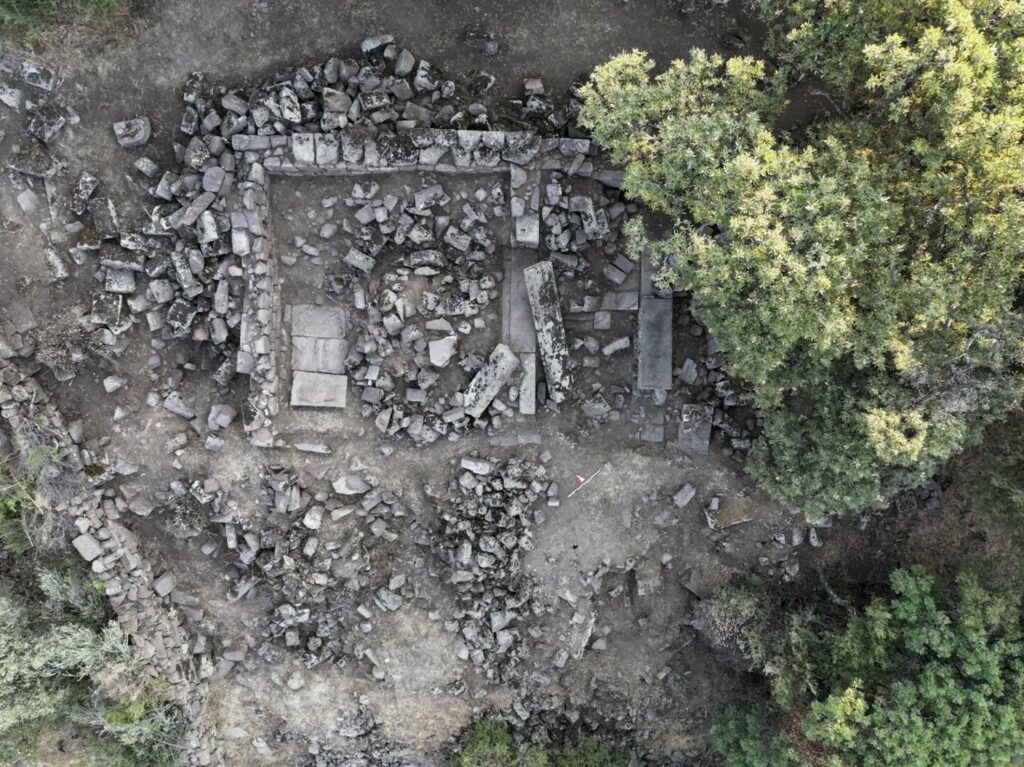
Aigai, located in the ancient Aeolis region of western Anatolia, controlled a productive rural hinterland. The prominence of a Demeter sanctuary here aligns with broader patterns of agrarian cult worship across the eastern Mediterranean.
The newly revealed votive field provides rare archaeological confirmation of how these beliefs materialized physically — through repeated offerings of water, a substance symbolically linked to purification, life, and renewal.
2026 Excavations Planned
Researchers believe the uncovered hydriskoi represent only a portion of the original ritual accumulation. Excavations are set to continue in 2026, focusing on expanding the exposure of the sacred deposit zone.
If similar densities are found in adjacent areas, the Demeter–Kore Temple at Aigai may become one of the most important case studies for votive practice in western Anatolia.
Beyond its architectural remains, Aigai is increasingly emerging as a key site for understanding religious life in Hellenistic and Roman-period Anatolia. The hydriskos deposit adds a tangible human dimension to this landscape — thousands of individual acts of devotion, preserved in clay.
- A 1700-year-old statue of Pan unearthed during the excavations at Polyeuktos in İstanbul
- The granary was found in the ancient city of Sebaste, founded by the first Roman emperor Augustus
- Donalar Kale Kapı Rock Tomb or Donalar Rock Tomb
- Theater emerges as works continue in ancient city of Perinthos
- Urartian King Argishti’s bronze shield revealed the name of an unknown country
- The religious center of Lycia, the ancient city of Letoon
- Who were the Luwians?
- A new study brings a fresh perspective on the Anatolian origin of the Indo-European languages

- Perhaps the oldest thermal treatment center in the world, which has been in continuous use for 2000 years -Basilica Therma Roman Bath or King’s Daughter-
- The largest synagogue of the ancient world, located in the ancient city of Sardis, is being restored
Leave a Reply