

Ancient Roman Power in Stone: Archaeologists Unearth Monumental Water Basin at Gabii Near Rome
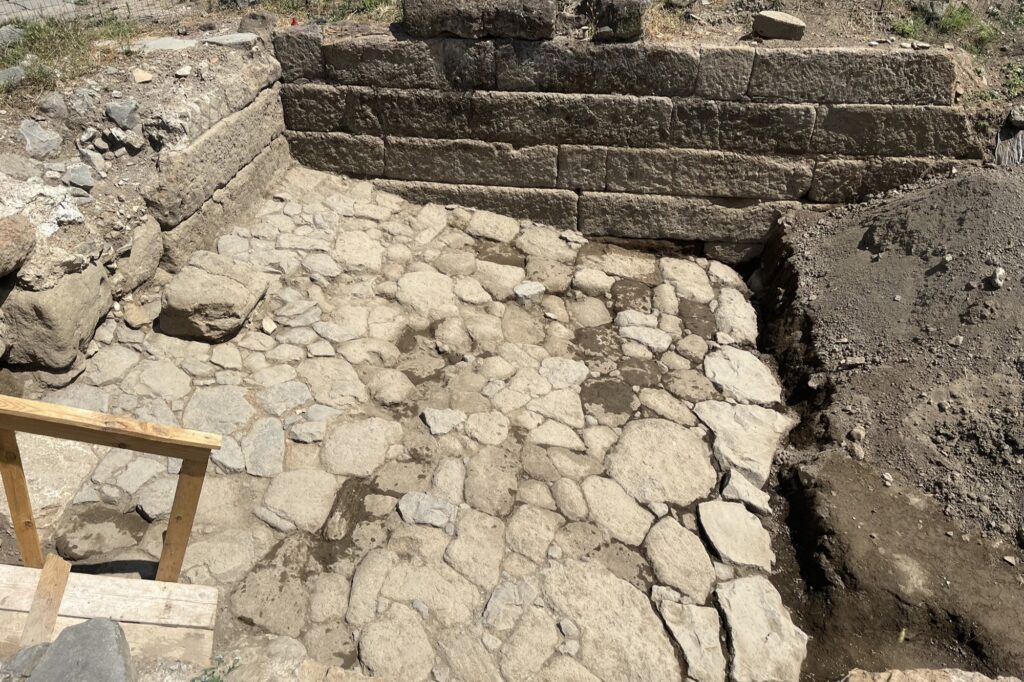
Archaeologists from the University of Missouri have uncovered a monumental stone basin in the ancient city of Gabii, just 18 kilometers east of Rome — a find that may represent one of the earliest known examples of Roman monumental architecture. Built around 250 B.C., the vast basin carved partly into bedrock is believed to have served as a public water feature at the city’s forum, revealing how early Romans used architecture to project power, identity, and civic order.
Led by Professor Marcello Mogetta, chair of the Department of Classics, Archaeology and Religion at the University of Missouri, the discovery sheds light on how Rome’s earliest architects transformed functional urban elements into potent political symbols.
“This discovery gives us a rare look at how early Romans experimented with city planning,” Mogetta explained. “Its central position suggests it was more than just infrastructure — it was a statement of power, a stage for civic life.”
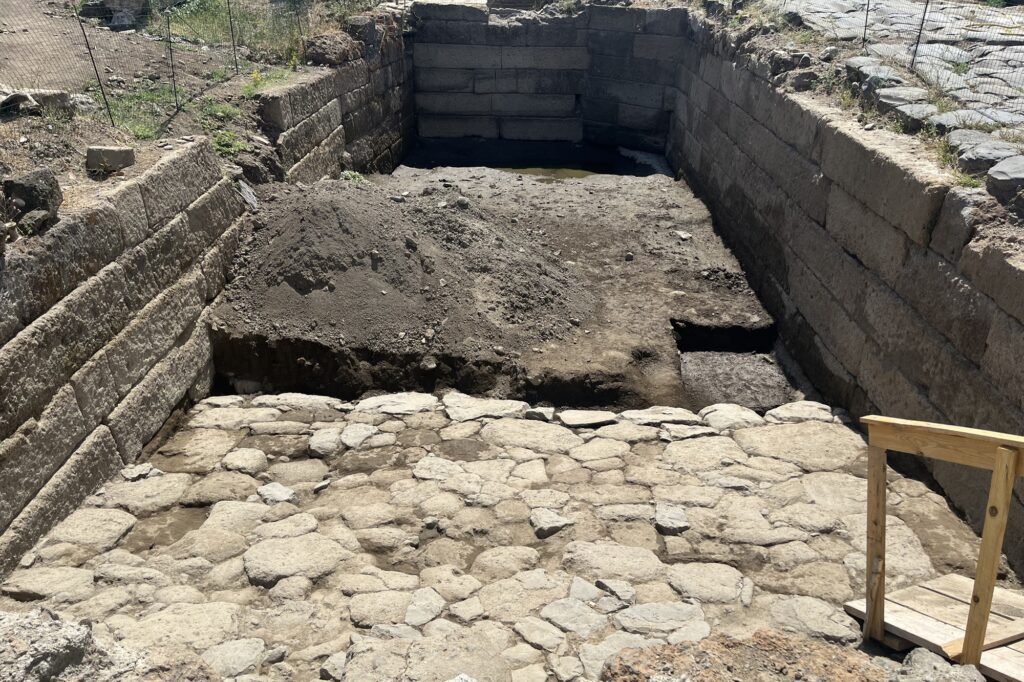
Excavations revealed a massive, stone-lined pool located near Gabii’s main crossroads. Its scale and design suggest it once formed the centerpiece of a forum complex, where citizens gathered for trade, rituals, and public debate. The site also yielded fragments of lamps, vessels, and perfume containers, some possibly left as ritual offerings when the basin was abandoned around 50 C.E.
A Rival of Early Rome
Gabii once stood as a powerful Latin city-state, rivaling Rome during the early Iron Age. But unlike Rome — whose earliest layers are now buried beneath millennia of rebuilding — Gabii’s urban grid and foundations remain remarkably preserved. This has made the site a rare time capsule for understanding how Roman civic identity first took shape.
📣 Our WhatsApp channel is now LIVE! Stay up-to-date with the latest news and updates, just click here to follow us on WhatsApp and never miss a thing!!
Earlier work at Gabii, including the discovery of the “Area F Building,” a terraced complex carved into a volcanic slope, revealed how Roman builders drew inspiration from Greek monumental forms such as the Parthenon and the Athenian Agora. The new basin discovery reinforces that link — proof that Roman architecture’s grandeur evolved not from imitation, but from adaptation and reinvention.
A Temple or Something More?
Recent thermal imaging scans have revealed a mysterious anomaly near the basin, possibly a temple or large civic building. If confirmed, it could reshape understanding of whether political or religious architecture emerged first in early Roman urbanism.
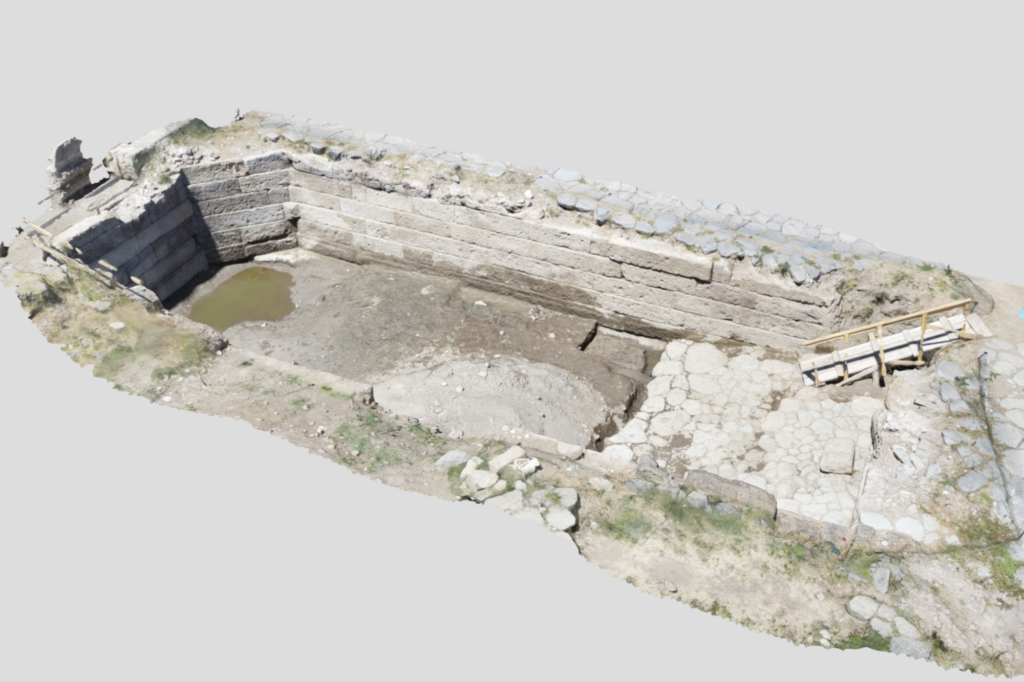
Next summer, under the direction of Mogetta and with support from Italy’s General Directorate of Museums, the Gabii Project team will resume excavations — focusing on sediments inside the basin and its surrounding paved plaza. Researchers hope to uncover new clues about rituals of water management, civic organization, and the symbolic relationship between power and place in the birth of Rome’s monumental tradition.
Gabii is today protected as part of Italy’s Musei e Parchi Archeologici di Praeneste e Gabii, ensuring that its buried history continues to inform our understanding of how Roman architecture shaped Western civilization.
Cover Photo: An aerial view of the ancient Roman city of Gabii, located just 11 miles east of Rome. Credit: University of Missouri
- A 1700-year-old statue of Pan unearthed during the excavations at Polyeuktos in İstanbul
- The granary was found in the ancient city of Sebaste, founded by the first Roman emperor Augustus
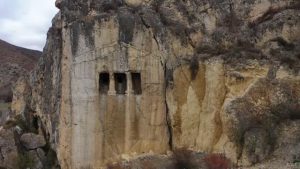
- Donalar Kale Kapı Rock Tomb or Donalar Rock Tomb
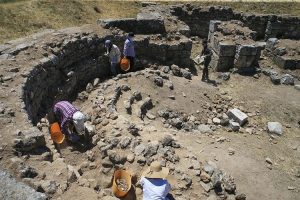
- Theater emerges as works continue in ancient city of Perinthos
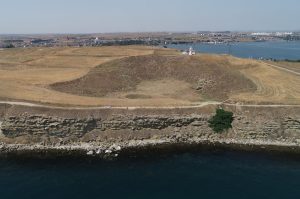
- Urartian King Argishti’s bronze shield revealed the name of an unknown country
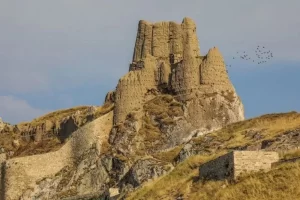
- The religious center of Lycia, the ancient city of Letoon
- Who were the Luwians?
- A new study brings a fresh perspective on the Anatolian origin of the Indo-European languages

- Perhaps the oldest thermal treatment center in the world, which has been in continuous use for 2000 years -Basilica Therma Roman Bath or King’s Daughter-
- The largest synagogue of the ancient world, located in the ancient city of Sardis, is being restored
Leave a Reply