
A Shepherd’s Chance Discovery Reveals a Roman Funerary Stele in the Hills of Muğla
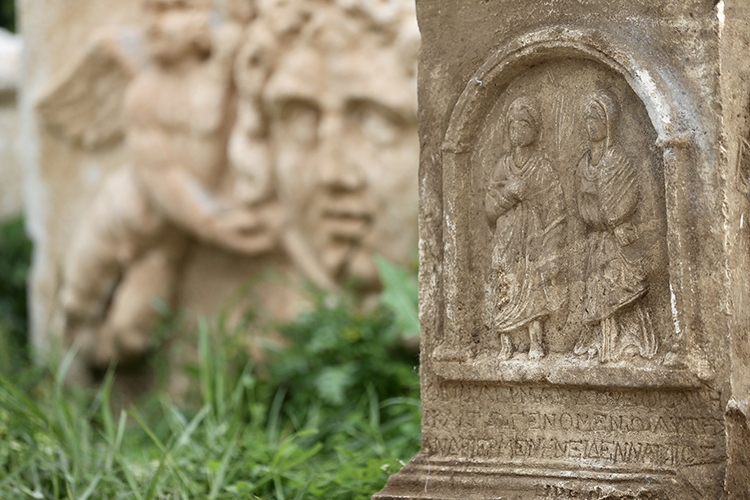
High in the rugged hills of Seydikemer in southwestern Türkiye, a local shepherd made a discovery that is now reshaping the archaeological map of the region: a Roman-era funerary stele carved with human figures and detailed epigraphic inscriptions. The monument, resembling the form of a votive altar, has been safely recovered and transported to the Fethiye Museum, where it will soon be unveiled to the public.
A Monument Found by Pure Luck
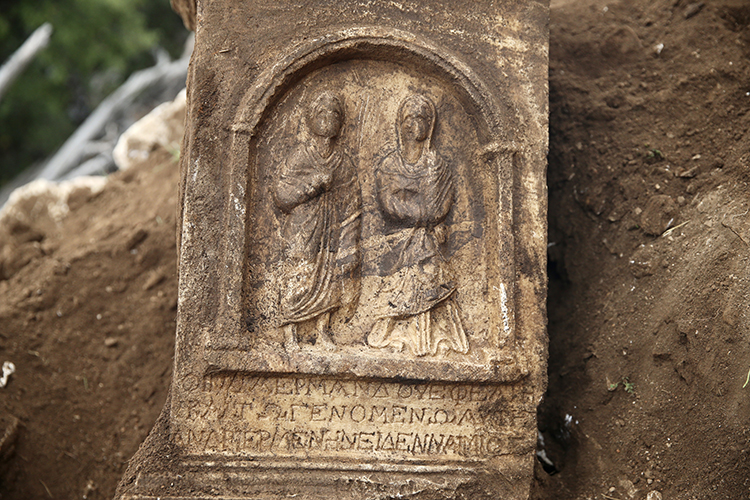
The shepherd noticed the stone while grazing his goats in the forested slopes of Kayacık. Recognizing its unusual form, he contacted the Fethiye Museum Directorate. When archaeologists inspected the site, they confirmed that the object was ancient and required immediate protection. Because the steep terrain made removal risky, the stele was temporarily reburied to prevent damage, and a camera trap was installed to secure the area.

A Challenging Recovery Operation
After preparatory work, the museum team returned to the site—reaching it only after a 45-minute walk from the nearest road. The stele was carefully wrapped and extracted from the ground, and over several hours, archaeologists and workers maneuvered it through difficult terrain until it could be transported by vehicle. The operation was slow and demanding, reflecting both the monument’s size and the remote landscape where it lay hidden for nearly two millennia.
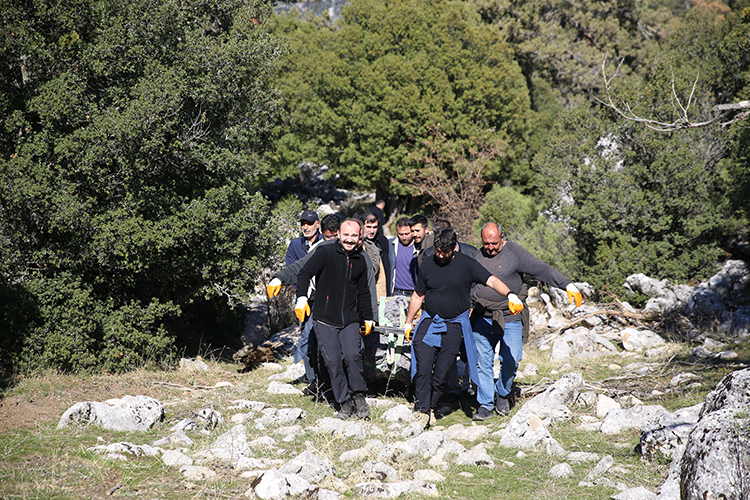
Once recovered, the artifact was transferred to the Fethiye Museum for conservation and study.
📣 Our WhatsApp channel is now LIVE! Stay up-to-date with the latest news and updates, just click here to follow us on WhatsApp and never miss a thing!!
Human Figures, Inscriptions, and Clues to Roman-Era Life
Archaeologist Ahmet Meke notes that the stele dates to the 1st–3rd centuries CE and represents a form of funerary monument commonly seen across Anatolia. What distinguishes this example is the iconographic richness on its front surface and an inscription offering biographical information about the deceased.
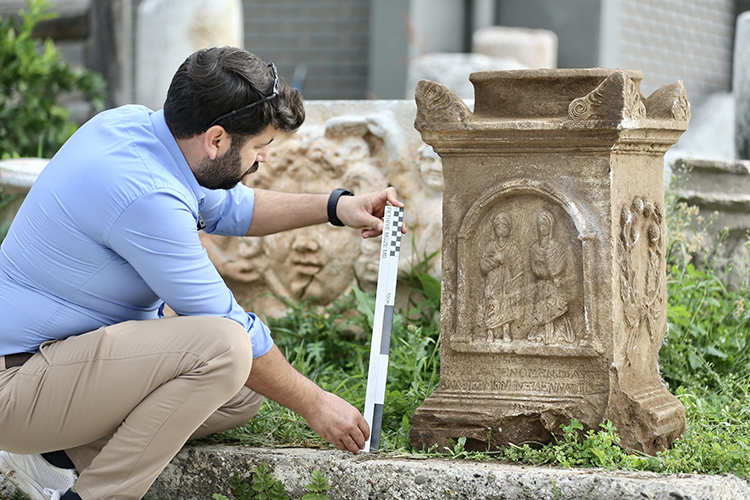
The relief shows a man and a woman standing side by side—likely a couple—captured in a manner that reflects the social values, attire, and family identity of the Roman Imperial era. Their clothing and posture provide nuanced glimpses into daily life and cultural expression in southwestern Anatolia nearly 2,000 years ago.
One side of the stele bears a carved wreath symbolizing honor and distinction. Such motifs often indicated individuals who held a respected position within their community. Combined with the inscription, the monument offers rare evidence of local social structure, commemoration practices, and visual traditions.
Soon to Be Displayed in Fethiye Museum
Museum specialists are now completing conservation treatment. Once on display, the stele will stand as a testament not only to Roman funerary art but also to the role of local residents in protecting heritage. A discovery made by chance has become a significant addition to Muğla’s archaeological record.
- A 1700-year-old statue of Pan unearthed during the excavations at Polyeuktos in İstanbul
- The granary was found in the ancient city of Sebaste, founded by the first Roman emperor Augustus
- Donalar Kale Kapı Rock Tomb or Donalar Rock Tomb
- Theater emerges as works continue in ancient city of Perinthos
- Urartian King Argishti’s bronze shield revealed the name of an unknown country
- The religious center of Lycia, the ancient city of Letoon
- Who were the Luwians?
- A new study brings a fresh perspective on the Anatolian origin of the Indo-European languages

- Perhaps the oldest thermal treatment center in the world, which has been in continuous use for 2000 years -Basilica Therma Roman Bath or King’s Daughter-
- The largest synagogue of the ancient world, located in the ancient city of Sardis, is being restored
Leave a Reply