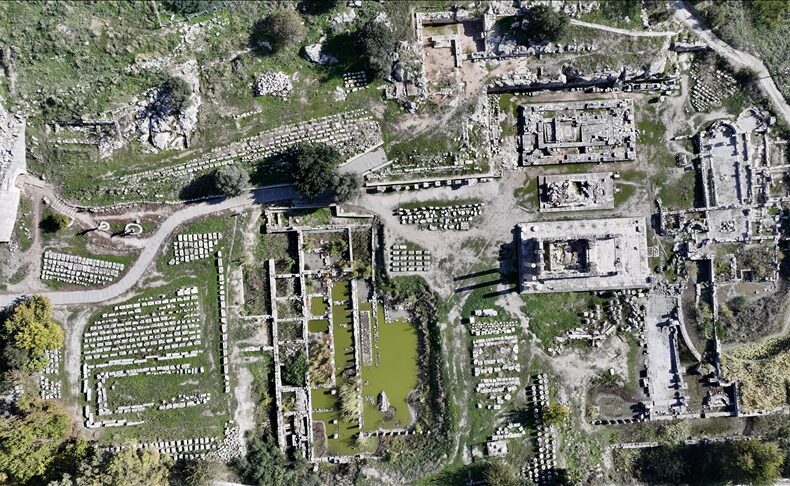
Letoon Sanctuary Embarks on a New Excavation Phase at One of Lycia’s Most Important Sacred Landscapes
The UNESCO World Heritage sanctuary of Letoon in Muğla’s Seydikemer district is entering a renewed phase of archaeological work, shedding light on one of ancient Lycia’s most influential religious centers. Located near Kumluova and paired with the neighboring city of Xanthos on UNESCO’s list since 1988, Letoon is renowned for its temples dedicated to Leto, Apollo, and Artemis, as well as its inscriptions and cult monuments that shaped Lycian identity for centuries.
A Deeper Investigation of Lycia’s Pan-Regional Sacred Center
Excavations at Letoon, carried out with the authorization of the Turkish Ministry of Culture and Tourism, are led by Associate Professor Hasan Kasapoğlu of Atatürk University. According to Kasapoğlu, the sanctuary’s religious function reaches back to at least the 8th century BCE, making it one of the earliest and most enduring cult landscapes in southwestern Anatolia.
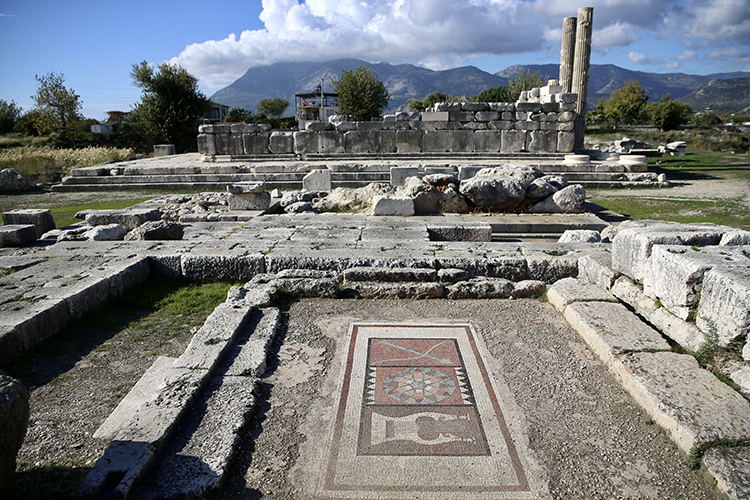
This year’s campaign focused on the ancient theater, estimated to have held around 10,000 spectators. Archaeologists plan to continue work here with the aim of completing the excavation and initiating restoration of the structure. Kasapoğlu notes that ongoing planning and technical studies will determine the timetable for stabilizing and re-exposing architectural elements of the theater.
The Leto Temple: One of Western Anatolia’s Most Reconstructible Ancient Monuments
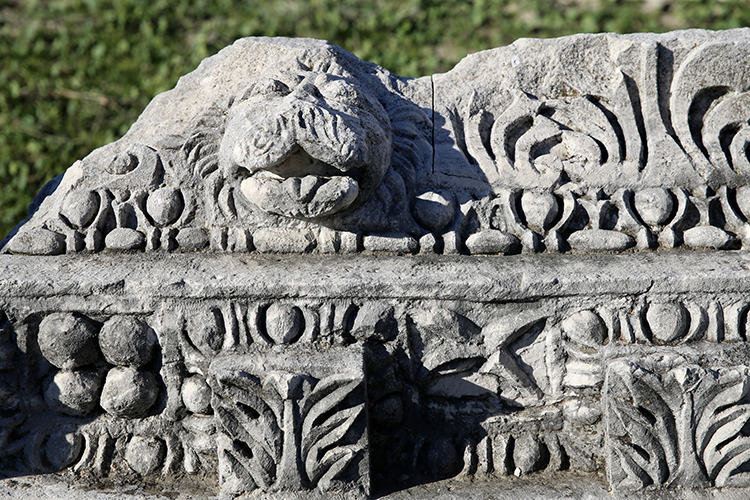
Among the sanctuary’s most significant monuments is the Temple of Leto, a structure with far-reaching importance for the cultural history of Lycia. Excavations in the 1960s revealed an exceptional architectural inventory—Kasapoğlu states that roughly 80 to 85 percent of the temple’s original building material survives on site.
📣 Our WhatsApp channel is now LIVE! Stay up-to-date with the latest news and updates, just click here to follow us on WhatsApp and never miss a thing!!
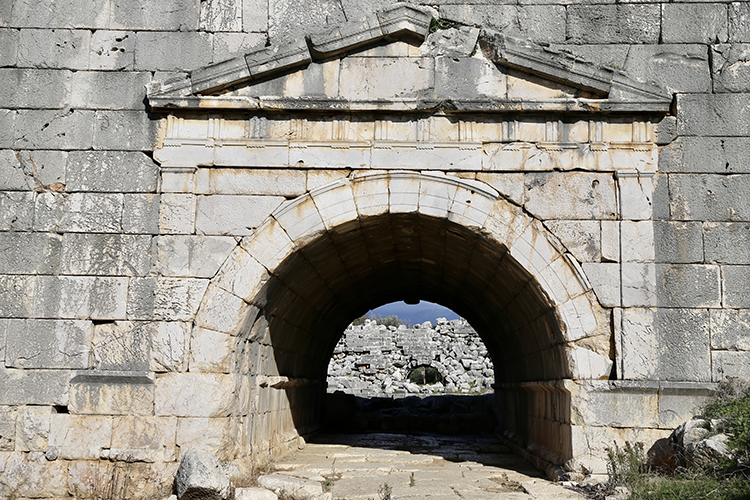
Based on current assessments, as much as 70 to 85 percent of the temple could be reconstructed. If realized, the Leto Temple may become one of the most complete standing examples of temple architecture in Western Anatolia, offering visitors a rare chance to visualize a Lycian monumental sanctuary in its near-original form.
A Trilingual Inscription that Transformed Lycian Studies
Letoon is also home to the renowned trilingual inscription—written in Lycian, Aramaic, and Greek—that played a decisive role in deciphering the Lycian language. This inscription alone secures Letoon’s status as a key reference point for researchers studying the political and cultural landscape of ancient Lycia.
The sanctuary’s importance is amplified by its close association with Xanthos, the only archaeological site in Antalya currently listed as a UNESCO World Heritage property. Together, the two sites form the core of the Lycian Way cultural route, attracting visitors throughout autumn and winter thanks to the region’s favorable climate.
Preparing the Site for Improved Year-Round Accessibility
Kasapoğlu emphasizes that archaeological work will continue with the aim of enhancing the site’s year-round accessibility. Planned restoration efforts seek not only to stabilize vulnerable structures but also to improve the visibility of Letoon’s layered cultural heritage for both visitors and researchers. As excavations progress, the sanctuary is expected to offer a more complete picture of cult practice, architecture, and multilingual identity in ancient Lycia.
- A 1700-year-old statue of Pan unearthed during the excavations at Polyeuktos in İstanbul
- The granary was found in the ancient city of Sebaste, founded by the first Roman emperor Augustus
- Donalar Kale Kapı Rock Tomb or Donalar Rock Tomb
- Theater emerges as works continue in ancient city of Perinthos
- Urartian King Argishti’s bronze shield revealed the name of an unknown country
- The religious center of Lycia, the ancient city of Letoon
- Who were the Luwians?
- A new study brings a fresh perspective on the Anatolian origin of the Indo-European languages
- Perhaps the oldest thermal treatment center in the world, which has been in continuous use for 2000 years -Basilica Therma Roman Bath or King’s Daughter-
- The largest synagogue of the ancient world, located in the ancient city of Sardis, is being restored
Leave a Reply