
Sculpted Faces from Ancient Lykos Meet Visitors in Denizli
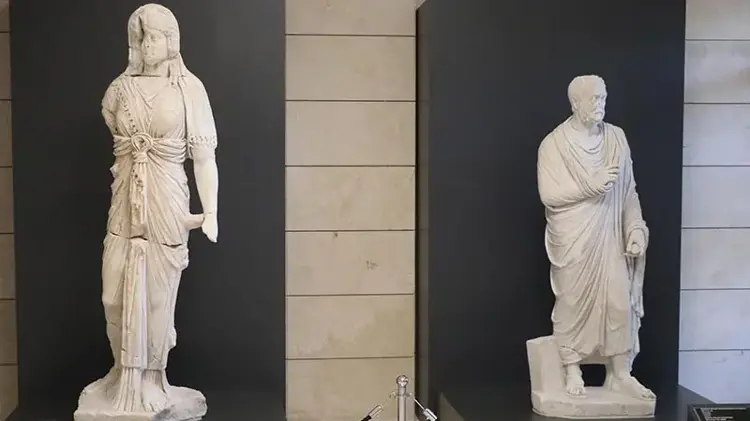
Stone faces shaped nearly two thousand years ago are once again meeting the public—this time in modern-day Denizli. A new exhibition titled “Faces of Lykos” has opened its doors, bringing together some of the most striking sculptural finds uncovered in the ancient cities of western Anatolia.
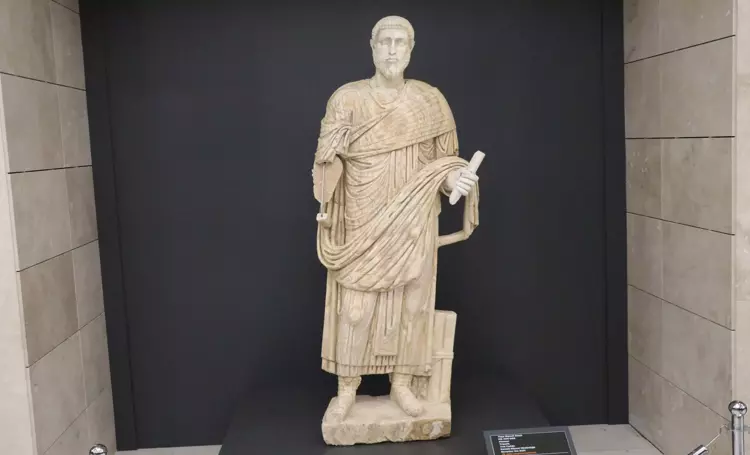
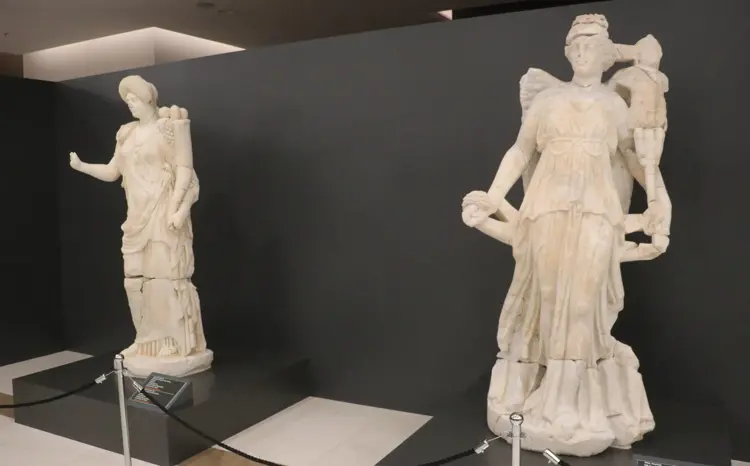
Hosted at the Nihat Zeybekci Congress and Culture Center, the exhibition presents 52 sculptures and sculpted heads discovered during archaeological excavations at Laodicea, Hierapolis, Tripolis, and Tabae. Dating mainly to the Hellenistic and Roman Imperial periods, these works offer an unusually direct encounter with the people, ideals, and artistic traditions of the ancient Lykos Valley.
What makes the exhibition stand out is its focus on faces. Calm gazes, idealized features, and subtle expressions reflect how ancient sculptors represented gods, elites, and prominent figures of their time. Seen together, the sculptures form a visual dialogue across centuries—less about ruins and monuments, more about identity and presence.
From Excavation Trenches to the Public Eye
Many of the pieces on display were recovered through long-term excavations and had remained out of public view until now. Archaeologists involved in the project emphasize that several works are being exhibited for the first time, offering visitors a rare chance to see freshly documented material rather than familiar museum staples.
📣 Our WhatsApp channel is now LIVE! Stay up-to-date with the latest news and updates, just click here to follow us on WhatsApp and never miss a thing!!
The exhibition also marks the final stop of Türkiye’s nationwide “102 Exhibitions” initiative, launched to coincide with the 102nd anniversary of the Republic. Over the past year, the project brought thousands of artifacts—many previously kept in storage or newly unearthed—to museums across the country, significantly increasing public engagement with archaeology.
An Ancient Landscape Still Speaking
Denizli occupies a unique place on the archaeological map of Anatolia. With sites such as UNESCO-listed Hierapolis and the monumental remains of Laodicea, the region has long been described by researchers as an open-air museum. The sculptures in the “Faces of Lykos” exhibition are tangible reminders of how densely populated and culturally vibrant the valley once was.
Rather than overwhelming visitors with technical detail, the exhibition allows the objects to speak for themselves. The result is an accessible and visually compelling experience that appeals not only to specialists, but also to travelers and first-time museumgoers curious about the ancient world.
Visiting the Exhibition
“Faces of Lykos” will remain open for six months, inviting visitors to explore the sculptural legacy of the Lykos Valley and to come face to face with the people of antiquity—quite literally.
Cover Image Credit: DHA
- A 1700-year-old statue of Pan unearthed during the excavations at Polyeuktos in İstanbul
- The granary was found in the ancient city of Sebaste, founded by the first Roman emperor Augustus
- Donalar Kale Kapı Rock Tomb or Donalar Rock Tomb
- Theater emerges as works continue in ancient city of Perinthos
- Urartian King Argishti’s bronze shield revealed the name of an unknown country
- The religious center of Lycia, the ancient city of Letoon
- Who were the Luwians?

- A new study brings a fresh perspective on the Anatolian origin of the Indo-European languages

- Perhaps the oldest thermal treatment center in the world, which has been in continuous use for 2000 years -Basilica Therma Roman Bath or King’s Daughter-
- The largest synagogue of the ancient world, located in the ancient city of Sardis, is being restored
Leave a Reply