
A 2,600-Year-Old Persian-Era Tandoor Discovered at Oluz Höyük by Turkish Archaeologists
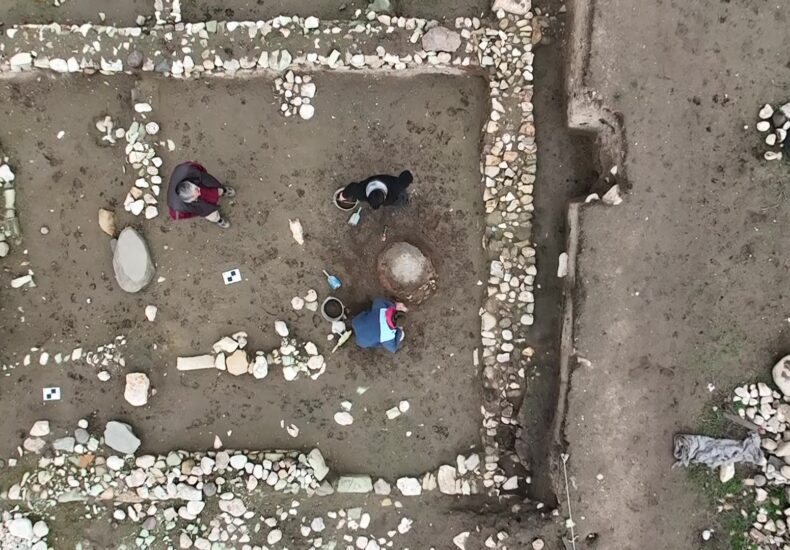
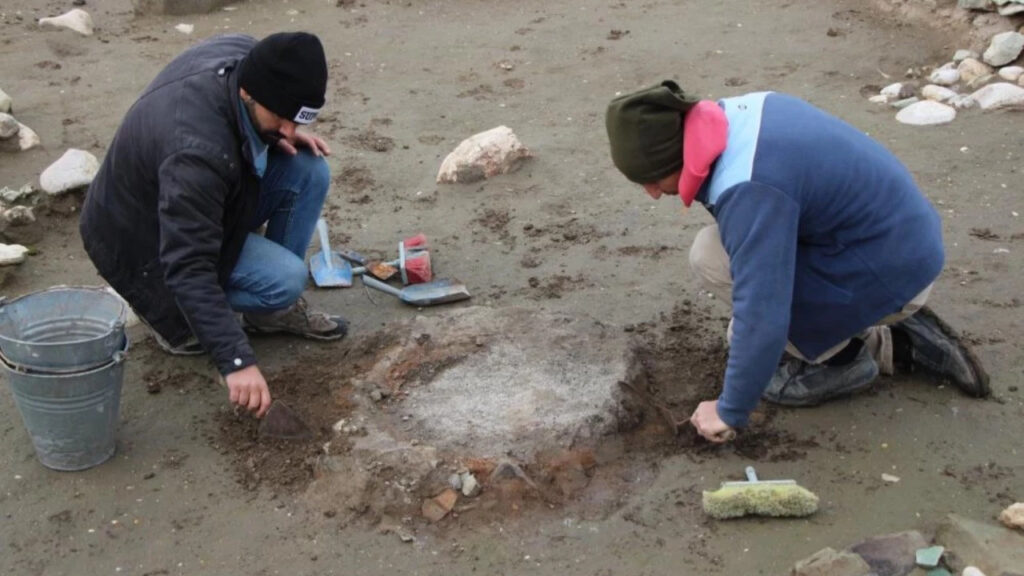
Buried just beneath the floor of an ancient domestic space at Oluz Höyük in northern Türkiye, a clay-built oven has resurfaced with a familiar shape. Despite being 2,600 years old, the structure looks strikingly similar to the tandoors still used in Anatolian kitchens today—an architectural continuity that spans millennia.
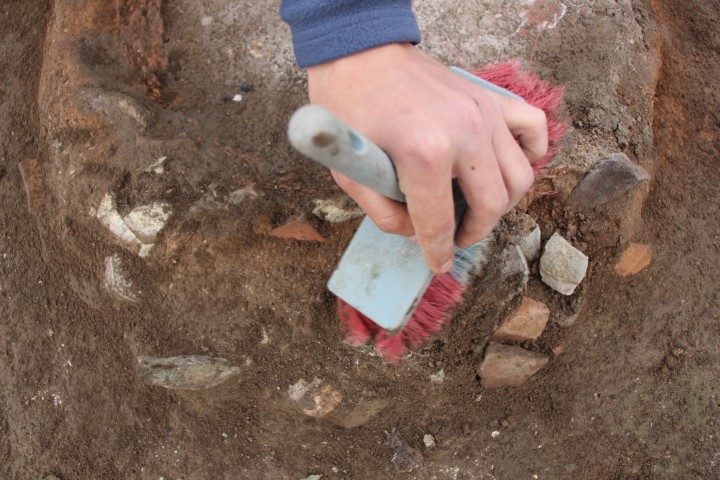
The discovery was made during the 19th excavation season at Oluz Höyük, a multi-layered settlement near Amasya that flourished under Achaemenid Persian rule in the sixth century BCE. According to excavation director Prof. Dr. Şevket Dönmez of Istanbul University, the oven was crafted from fired clay and installed below ground level using a method identical to that seen in traditional tandoors across the region.
“This tandoor is virtually indistinguishable from those used in Anatolia today,” Dönmez explained. “The only real difference is its age.”
A Settlement at the Crossroads of Empire
Oluz Höyük occupies a strategic location in the Central Black Sea hinterland, an area that became integrated into the Persian imperial system following the expansion of the Achaemenid Empire into Anatolia. Archaeological evidence indicates that the settlement was not peripheral, but a well-organized center where imperial administration and local traditions intersected.
📣 Our WhatsApp channel is now LIVE! Stay up-to-date with the latest news and updates, just click here to follow us on WhatsApp and never miss a thing!!
Over nearly two decades of excavation, researchers have identified architectural remains ranging from administrative structures to domestic units, revealing a community shaped by imperial authority yet grounded in long-established Anatolian lifeways. The newly uncovered tandoor belongs to this Persian-period horizon, offering a rare glimpse into everyday life beyond palaces and official buildings.
Bread, Grain, and the Architecture of Daily Life
The oven was discovered alongside a stone work surface positioned directly opposite it. Archaeologists interpret this feature as a bench used for kneading dough or processing grain—clear evidence that the space functioned as a kitchen or food-preparation area.
This spatial arrangement is significant. From the Neolithic period onward, communities in Anatolia developed oven-like installations for baking bread and cooking cereals. The Oluz Höyük find demonstrates that this culinary infrastructure persisted uninterrupted, even as political power shifted from local Anatolian traditions to Persian imperial rule.
Two years earlier, excavations at Oluz Höyük revealed a clay pot in a Persian-period palace kitchen containing animal bone fragments and cereal grains. Scientific analysis suggested that the vessel had been used to prepare keşkek, a traditional grain-and-meat dish still prepared in Anatolia today. Archaeologists now believe that similar dishes were likely cooked using tandoors such as the one recently uncovered.
Cultural Continuity Beneath the Floor
While monumental architecture often dominates discussions of ancient empires, installations like this tandoor tell a different story—one rooted in continuity rather than change. Cooking practices, spatial organization, and food traditions appear to have remained stable, passed down through generations regardless of shifting political authority.
In this sense, the Oluz Höyük tandoor is more than an archaeological feature. It is tangible proof that Anatolia’s culinary heritage is not a modern reconstruction or folkloric memory, but a living tradition anchored deep in antiquity.
As excavations continue, Oluz Höyük is steadily reshaping scholarly understanding of life on the eastern edge of the ancient Mediterranean—revealing history not through royal inscriptions, but through the enduring architecture of everyday survival.
- A 1700-year-old statue of Pan unearthed during the excavations at Polyeuktos in İstanbul
- The granary was found in the ancient city of Sebaste, founded by the first Roman emperor Augustus
- Donalar Kale Kapı Rock Tomb or Donalar Rock Tomb
- Theater emerges as works continue in ancient city of Perinthos
- Urartian King Argishti’s bronze shield revealed the name of an unknown country
- The religious center of Lycia, the ancient city of Letoon
- Who were the Luwians?
- A new study brings a fresh perspective on the Anatolian origin of the Indo-European languages

- Perhaps the oldest thermal treatment center in the world, which has been in continuous use for 2000 years -Basilica Therma Roman Bath or King’s Daughter-
- The largest synagogue of the ancient world, located in the ancient city of Sardis, is being restored
Leave a Reply