
2,000-Year-Old Lion-Headed Gargoyle Damaged at Termessos, the City Alexander the Great Could Not Conquer
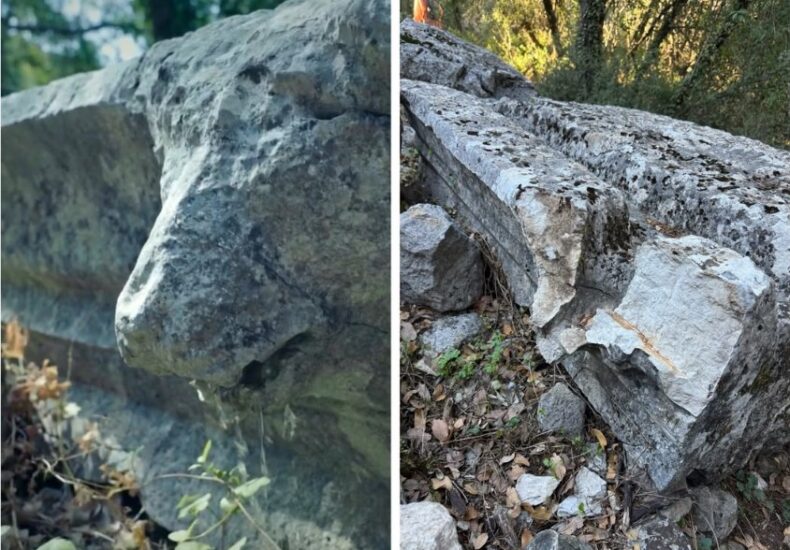
At the ancient city of Termessos, one of the most dramatic mountain strongholds of ancient Anatolia, a 2,000-year-old lion-headed gargoyle has been found broken, raising renewed concerns about the protection of archaeological heritage sites in Türkiye.
Located at an altitude of around 1,150 meters in the Taurus Mountains near Antalya, Termessos is famously known as the only city in Anatolia that Alexander the Great failed to capture during his eastern campaign in 333 BC. Carved into steep natural defenses and surrounded by nearly inaccessible terrain, the city has long symbolized resistance, resilience, and continuity. That continuity, however, has now been abruptly interrupted.
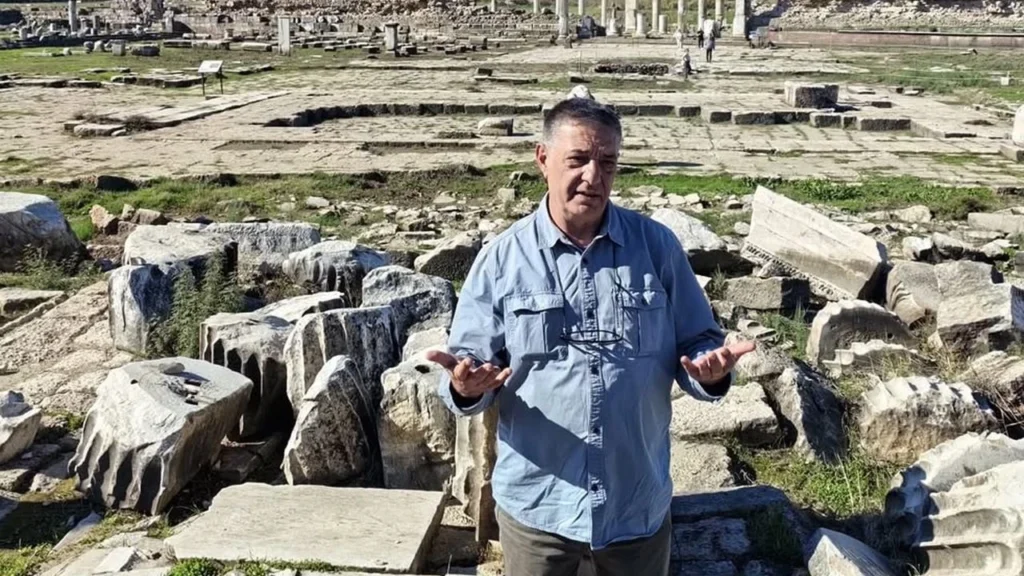
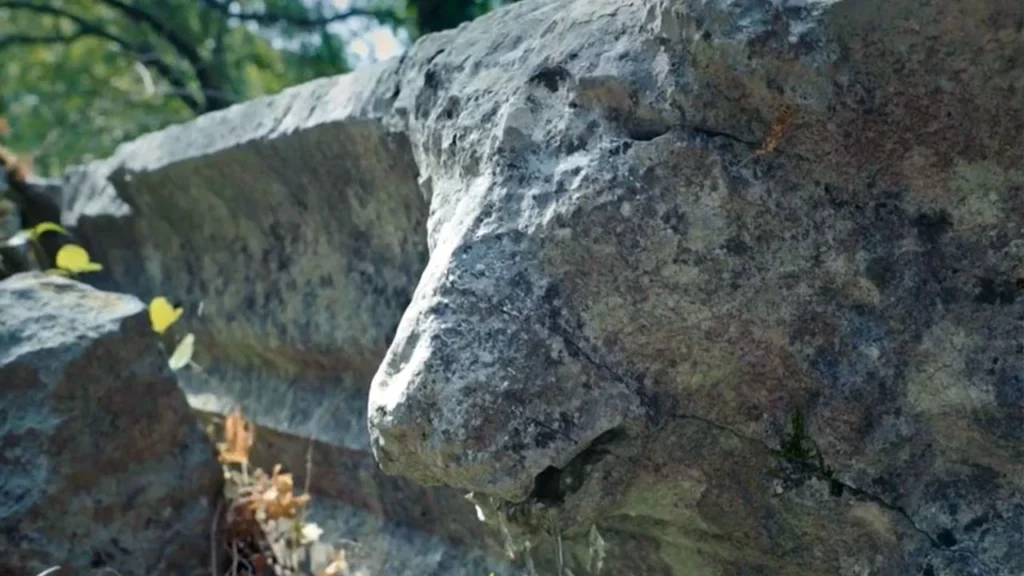
According to DHA, the damage was first documented by archaeologist Ümit Işın, who noticed that a lion-headed stone spout he had previously photographed was no longer intact. The sculpted gargoyle, designed to channel rainwater away from rooftops and protect masonry from erosion, dates back to the Roman period and is estimated to be at least two millennia old.
“Time could not destroy it, neglect did”
Reacting to the discovery, Işın shared images of the broken gargoyle on social media, questioning how such damage could occur within a nationally protected area. “Was it ignorance, indifference, or abandonment?” he asked. “This is a vast national park. The broken fragments are still lying on the ground. Time could not destroy it, but neglect did.”
📣 Our WhatsApp channel is now LIVE! Stay up-to-date with the latest news and updates, just click here to follow us on WhatsApp and never miss a thing!!
Despite warning signs indicating camera surveillance in the area, no suspects have yet been identified. Işın emphasized that the loss of this architectural detail is particularly painful, as the lion-headed spout was one of the most striking decorative elements of the site and had survived intact for centuries.
Calls for stronger on-site protection
The incident has reignited debate over the vulnerability of open-air archaeological sites. Işın and other specialists argue that constant on-site guards, expanded camera coverage, and discreet monitoring systems such as photo traps are essential. Public awareness campaigns, they say, could also serve as a deterrent by reminding visitors that these monuments are irreplaceable cultural assets, not climbing platforms.
“The break appears recent”
Former site guard Bekir Buyruk, who worked at Termessos for 32 years before retiring last year, believes the damage is recent. Based on the appearance of the stone, he estimates the break occurred within the last two weeks. Buyruk suggested that the gargoyle may already have had structural cracks and could have fractured if someone climbed or stood on it, possibly during a student visit.
Official investigation underway
The head of the Termessos excavation team, Mustafa Koçak, confirmed that specialists from the local museum conducted an on-site assessment and that a formal criminal complaint has been filed. He stated that camera footage is being reviewed and that the broken pieces remain in situ for documentation and evaluation.
Koçak cautioned against premature conclusions, noting that similar incidents elsewhere have occurred due to visitors climbing on ancient structures. “Whether this was intentional vandalism or reckless behavior will become clearer once the investigation is complete,” he said.
What is a gargoyle?
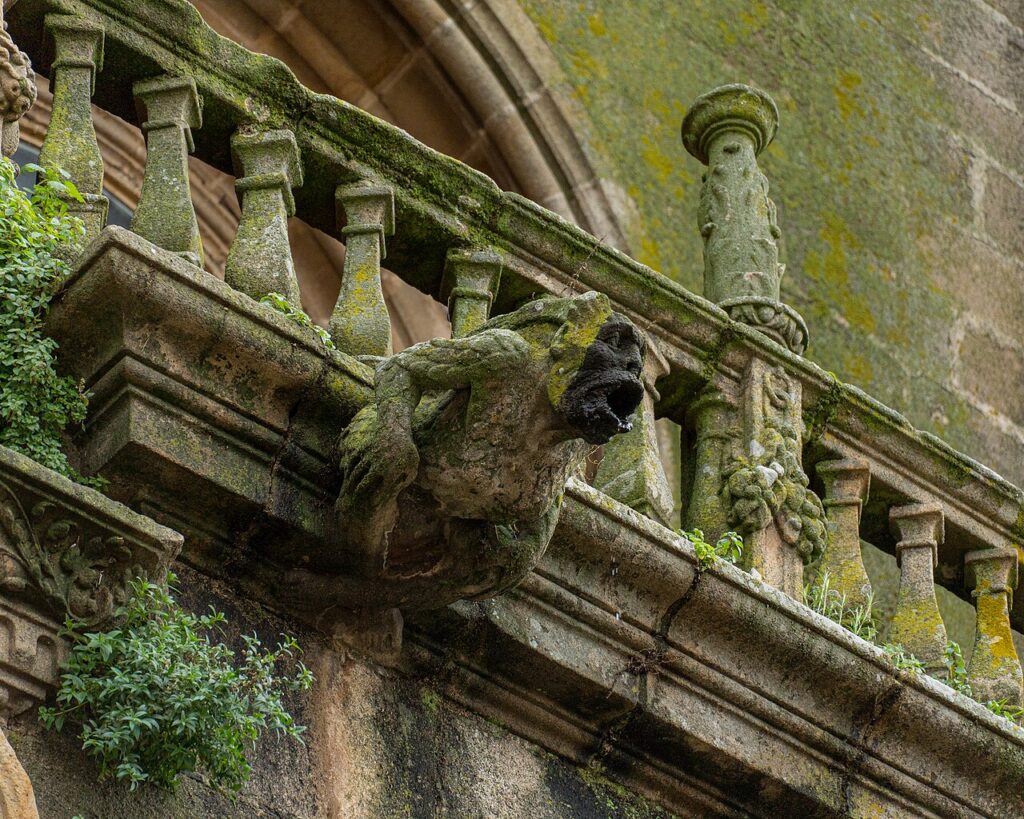
A gargoyle, known in Turkish as a çörten, is a carved stone water spout commonly used in ancient and medieval architecture. Often shaped as animals or mythical creatures, gargoyles divert rainwater away from walls, preventing long-term structural damage. While most commonly associated with Gothic cathedrals, examples are also found in Roman and Late Antique architecture across Anatolia.
The loss of the lion-headed gargoyle at Termessos serves as a stark reminder: even monuments that once withstood emperors and armies remain fragile in the face of modern neglect.
- A 1700-year-old statue of Pan unearthed during the excavations at Polyeuktos in İstanbul
- The granary was found in the ancient city of Sebaste, founded by the first Roman emperor Augustus
- Donalar Kale Kapı Rock Tomb or Donalar Rock Tomb
- Theater emerges as works continue in ancient city of Perinthos
- Urartian King Argishti’s bronze shield revealed the name of an unknown country
- The religious center of Lycia, the ancient city of Letoon
- Who were the Luwians?
- A new study brings a fresh perspective on the Anatolian origin of the Indo-European languages

- Perhaps the oldest thermal treatment center in the world, which has been in continuous use for 2000 years -Basilica Therma Roman Bath or King’s Daughter-
- The largest synagogue of the ancient world, located in the ancient city of Sardis, is being restored
Leave a Reply