Symbols Beyond Decoration: New Research Decodes the Visual Language of Karaz Pottery
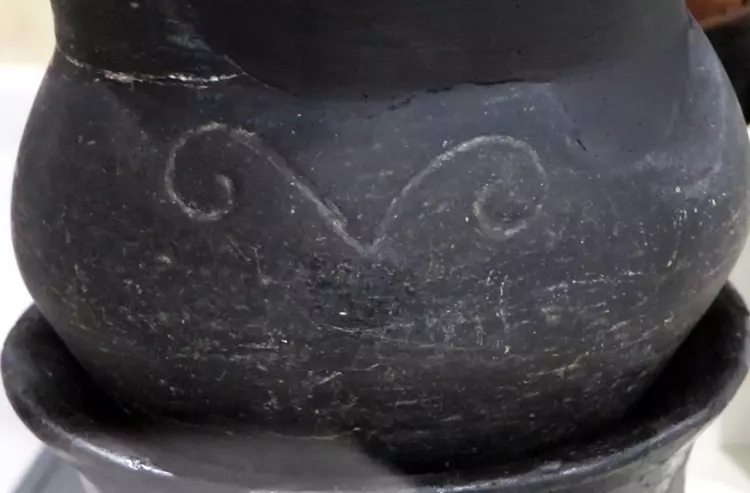
At first glance, Karaz pottery looks restrained—almost austere. Dark surfaces. Limited color. Repeating forms.
But that first impression is deceptive.
Look closer, and those vessels begin to speak.
According to a new doctoral study, the motifs covering Karaz ceramics were not added merely to decorate everyday objects. They formed a visual language, developed and understood within a society that lived without writing.
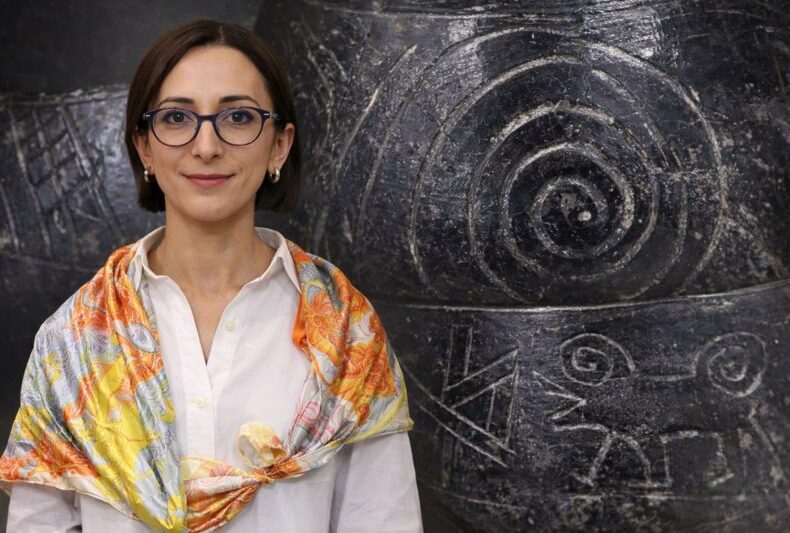
That is the central argument of research conducted by Gülşah Öztürk, a graduate of Atatürk University’s Department of Archaeology in Erzurum. Drawing on material recovered from excavations across eastern Anatolia, Öztürk approaches Karaz ceramics as carriers of meaning—objects designed not only to be used, but to communicate.
📣 Our WhatsApp channel is now LIVE! Stay up-to-date with the latest news and updates, just click here to follow us on WhatsApp and never miss a thing!!
“In non-literate societies,” she explains, “images often function as symbolic systems.”
In other words, when words are absent, visuals take over.
When Images Replace Words
Öztürk’s study combines archaeological data with semiotic analysis to understand how these images worked. Her conclusion is direct: the motifs on Karaz pottery were shaped by social life, belief systems, and shared ways of thinking.
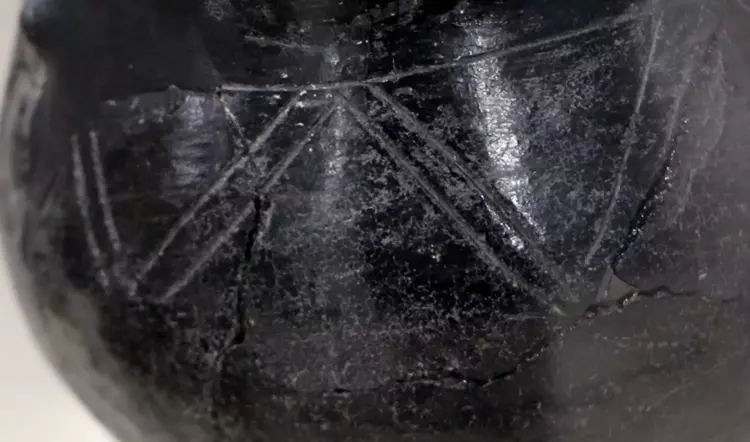
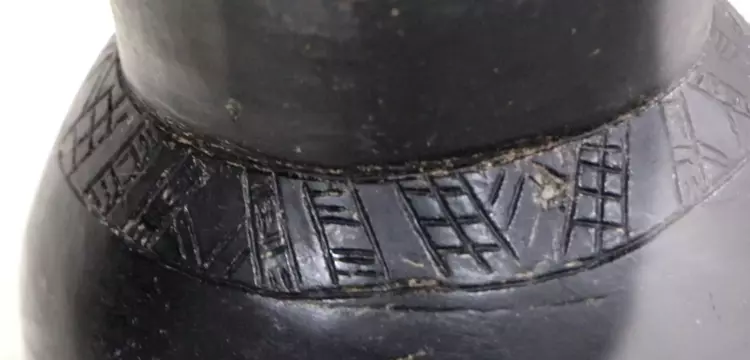
Human figures, animals, and geometric designs appear repeatedly. Lines, zigzags, squares, triangles, and rhombuses are not placed at random. Together, they form a shared visual grammar.
Straight lines tend to suggest stillness or continuity. Zigzag patterns, by contrast, evoke movement—perhaps transformation. These choices reflect how Karaz communities interpreted both the natural world and their own place within it.
As Öztürk puts it:
“Decorative motifs may appeal to the eye, but symbolic motifs speak to belief and ritual. They carry meanings such as fertility, protection, rebirth, power, and the sacred.”
Identity, Belief, and Deeper Meanings
Not every motif served the same purpose. Some may have functioned as identity markers—signals of ownership, community affiliation, or even the personal mark of a producer. Others appear closely tied to belief systems and ritual practice.
Yet Öztürk urges caution against overly rigid interpretations.
“Unconscious processes should not be ignored,” she notes. Repeated forms may emerge not only from intention, but from deeply internalized ways of seeing the world. In this sense, Karaz motifs operate on multiple levels at once: practical, symbolic, and psychological.
Why Animals Matter
One group of motifs stands out above all others: animals.
In Karaz ceramics, animals appear either alone or in composite forms, often joined at the head. Their prominence is striking. According to Öztürk, this is no coincidence.
She argues that animals observed in daily life—creatures that were hunted, feared, respected, or ritualized—were deliberately transferred onto ceramic vessels. What mattered in nature found a place on pottery.
“Karaz communities,” she suggests, “reflected the figures they valued, ritualized, and gave meaning to by placing them on their vessels.”
In this way, pottery became more than a container. It became a surface for memory and meaning.
A Visual World Shared Across Regions
The story does not end in eastern Anatolia.
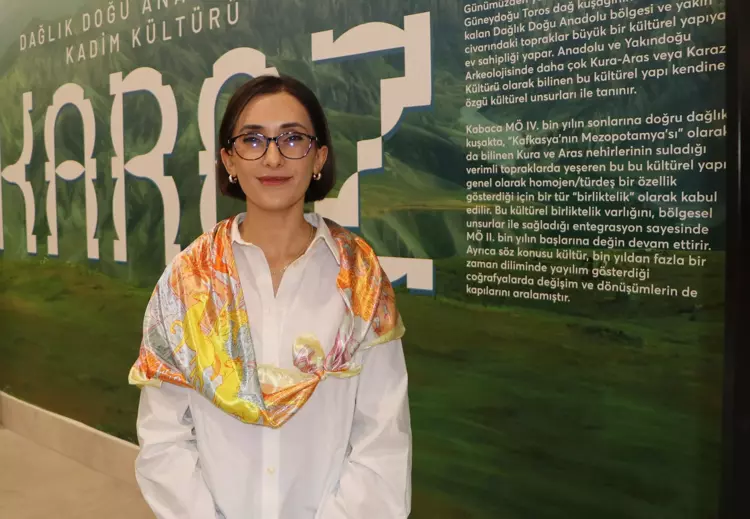
In a public presentation titled “The Stories Told by Motifs on Karaz Ceramics,” delivered at the Erzurum Museum, Öztürk drew attention to the remarkable geographic spread of these designs.
Similar motifs appear across an immense area—from the Taurus Mountains to the Caucasus, from the Caspian coast to the central Anatolian highlands, and from northwestern Iran to the Levant.
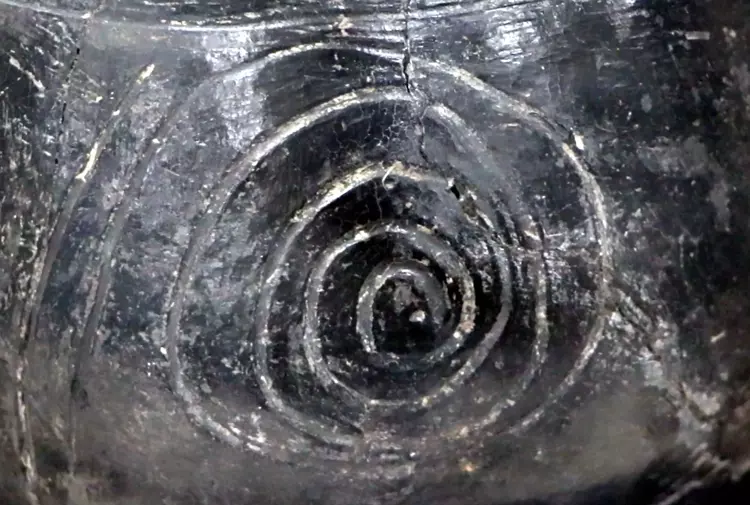
Such consistency suggests long-term cultural interaction rather than isolated local traditions. The Karaz world, it seems, was visually connected across regions.
What survives today in museum displays is therefore not just pottery.
It is a silent archive—one that preserves how prehistoric communities expressed identity, belief, and experience long before writing ever appeared.
- A 1700-year-old statue of Pan unearthed during the excavations at Polyeuktos in İstanbul
- The granary was found in the ancient city of Sebaste, founded by the first Roman emperor Augustus
- Donalar Kale Kapı Rock Tomb or Donalar Rock Tomb
- Theater emerges as works continue in ancient city of Perinthos
- Urartian King Argishti’s bronze shield revealed the name of an unknown country
- The religious center of Lycia, the ancient city of Letoon
- Who were the Luwians?
- A new study brings a fresh perspective on the Anatolian origin of the Indo-European languages

- Perhaps the oldest thermal treatment center in the world, which has been in continuous use for 2000 years -Basilica Therma Roman Bath or King’s Daughter-
- The largest synagogue of the ancient world, located in the ancient city of Sardis, is being restored
Leave a Reply