
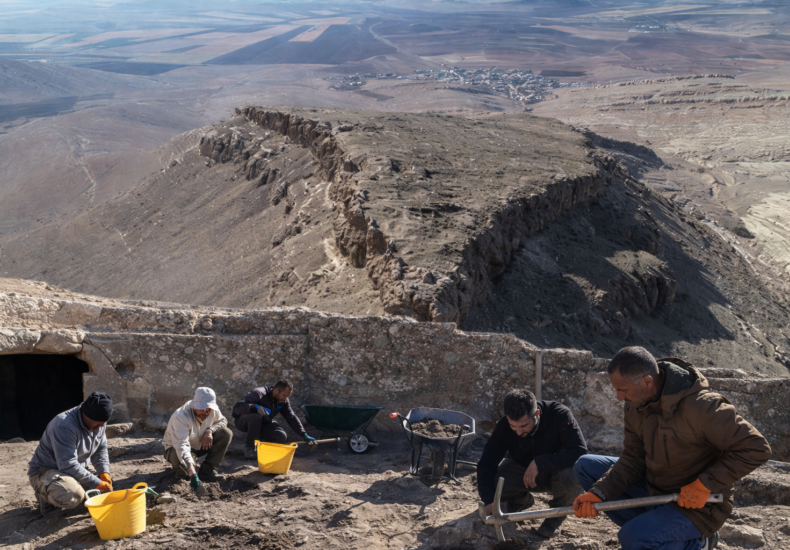
Excavations Begin at the Late Roman Rabat Castle Built to Protect Key Trade Routes
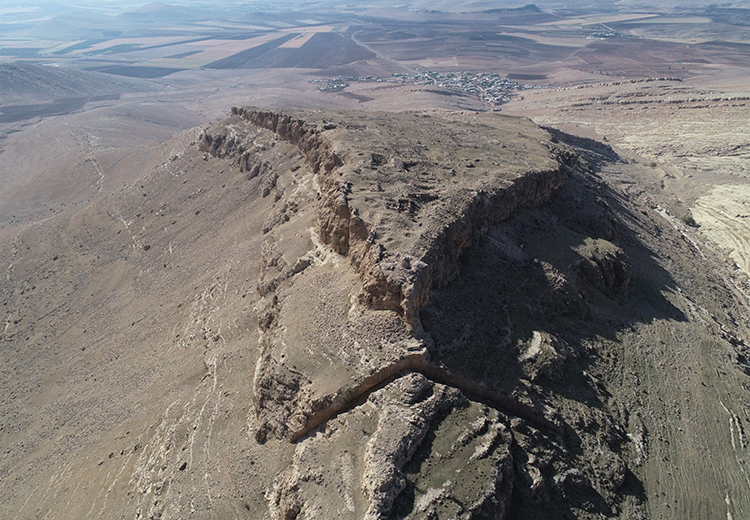
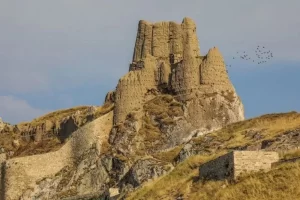
Archaeological excavations have begun at Rabat Castle, a Late Roman–period stronghold rising 955 meters above sea level in the Derik district of Mardin. Spreading across roughly 5.5 hectares, the fortress occupies a commanding position overlooking routes that once connected Anatolia with Upper Mesopotamia.
Archaeological assessments indicate that Rabat Castle was constructed during the Late Roman period primarily to protect key trade routes and secure caravans moving along ancient commercial corridors linking Anatolia with Upper Mesopotamia. Its strategic placement reflects a frontier landscape shaped by mobility, economic exchange, and regional control, with military defense serving to safeguard these vital networks.
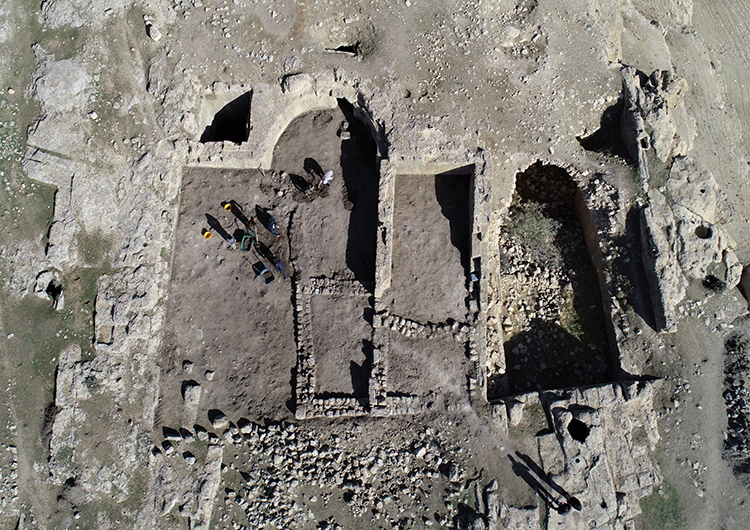
First systematic excavation after more than a century
Although Rabat Castle was first documented by travelers and researchers in 1866, the site had never been excavated in a systematic manner until this year. The current work represents the first comprehensive archaeological investigation of the fortress.
Excavations are carried out under the direction of the Mardin Museum, with official authorization from the General Directorate of Cultural Assets and Museums of the Ministry of Culture and Tourism. The project is led by Mardin Museum Director İdris Akgül, together with archaeologists Mehmet Şan and Erkan Güzel.
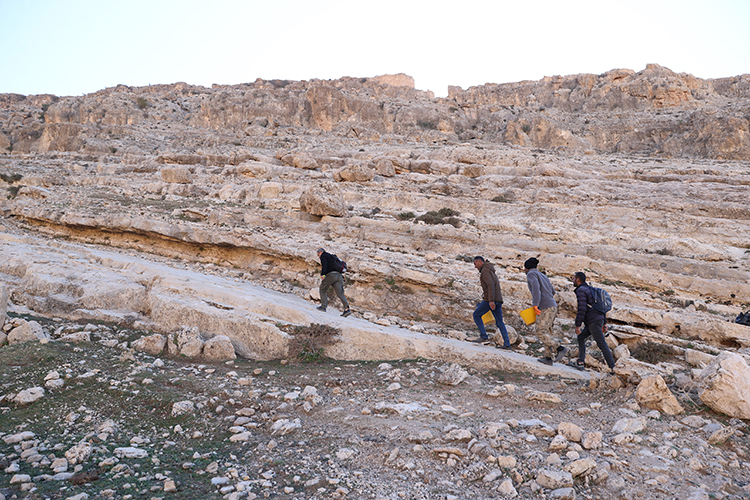
Access to the site remains challenging. With no vehicle road leading to the fortress, the excavation team must reach the castle on foot, following a hike of approximately one and a half hours, a reminder of the site’s original strategic isolation.
📣 Our WhatsApp channel is now LIVE! Stay up-to-date with the latest news and updates, just click here to follow us on WhatsApp and never miss a thing!!
“One of the best-preserved sites after Dara”
According to excavation director İdris Akgül, Rabat Castle stands out even within the dense archaeological landscape of southeastern Türkiye:
“After the ancient city of Dara, Rabat Castle is one of the best-preserved archaeological areas in this region. This year marks the first time we have begun excavations here.”
Early documentation already emphasized the good preservation of the site’s churches, cisterns, and architectural layout—observations now being confirmed through excavation.
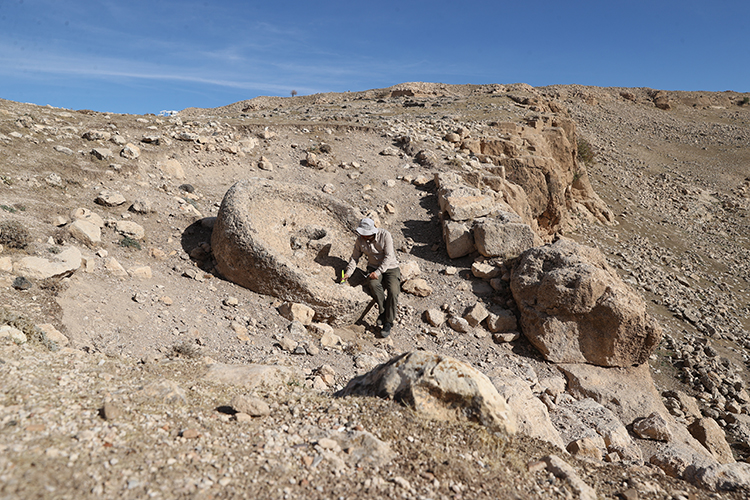
Churches carved into rock and a long occupation history
Current excavations are focused on a small rock-cut chapel, an architectural feature that sheds light on the religious life of the fortress. In future seasons, work is planned to expand into a larger church structure traditionally referred to as the “Rabat Church.”
Surface surveys and initial finds show that Rabat Castle was not limited to a single historical phase. Ceramic assemblages indicate occupation beginning in the Hellenistic period, continuing through Roman, Byzantine, and Artuqid periods. Arrowheads and coins recovered during the first season further support the site’s long-term use.
“Based on ceramic groups identified on the surface, we can confidently say the site was used for nearly two thousand years,” Akgül notes.
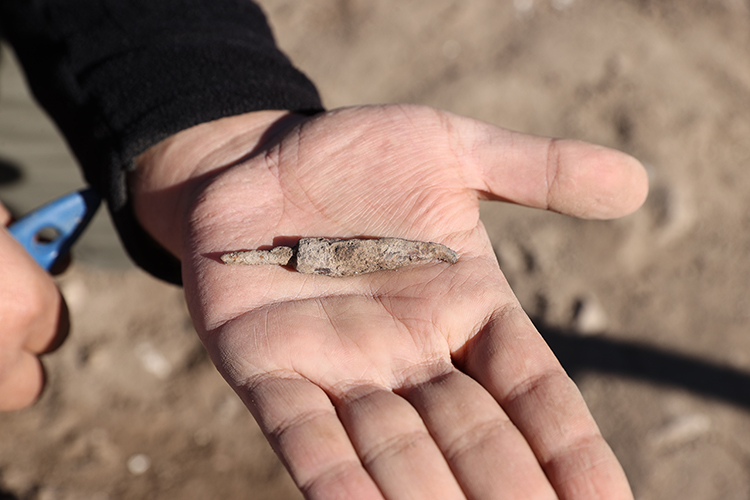
Defense, trade, and daily life on a shared frontier
Architecturally, Rabat Castle reflects a carefully organized settlement. Defensive ditches and massive curtain walls dominate the western section, while the upper areas—often described as an “upper city”—contain churches, chapels, residential structures, and cisterns.
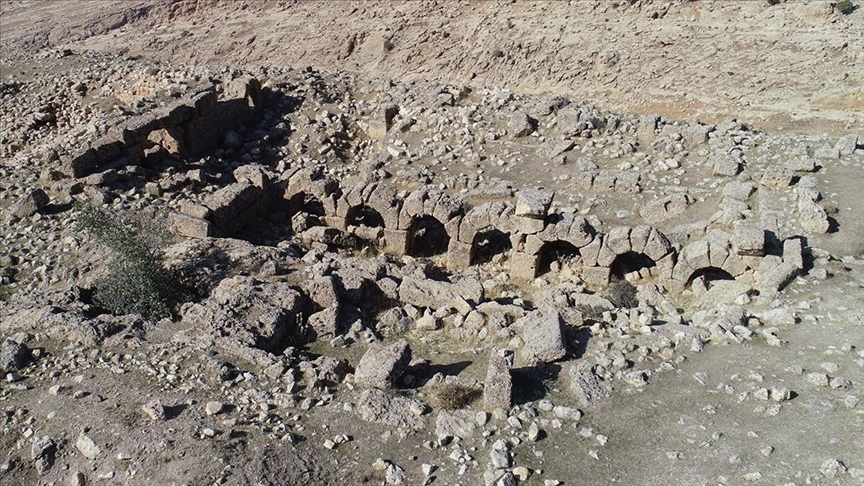
This layout suggests a fortress designed not only for defense but also for sustained habitation. Its position on an ancient road network supports the view that Rabat Castle functioned as a control and protection point for trade caravans, while also safeguarding Sasanian interests operating within this frontier zone.
Toward a regional cultural route
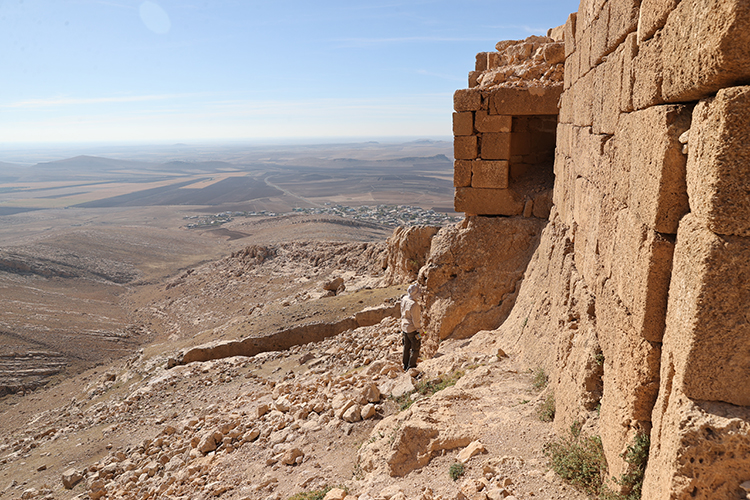
Beyond excavation, the project aims to integrate Rabat Castle into a broader regional cultural route highlighting the archaeological heritage of Mardin and Upper Mesopotamia. Supported by the Ministry of Culture and Tourism’s Heritage for the Future initiative, excavations are expected to continue year-round in the coming years.
The photographs used throughout the article were taken by Halil İbrahim Sincar (AA).
- A 1700-year-old statue of Pan unearthed during the excavations at Polyeuktos in İstanbul
- The granary was found in the ancient city of Sebaste, founded by the first Roman emperor Augustus
- Donalar Kale Kapı Rock Tomb or Donalar Rock Tomb
- Theater emerges as works continue in ancient city of Perinthos
- Urartian King Argishti’s bronze shield revealed the name of an unknown country
- The religious center of Lycia, the ancient city of Letoon
- Who were the Luwians?
- A new study brings a fresh perspective on the Anatolian origin of the Indo-European languages

- Perhaps the oldest thermal treatment center in the world, which has been in continuous use for 2000 years -Basilica Therma Roman Bath or King’s Daughter-
- The largest synagogue of the ancient world, located in the ancient city of Sardis, is being restored
Leave a Reply