
The Only Known City of the Neo-Hittite Kingdom of Tabal Stands on Mount Göllü in Central Anatolia
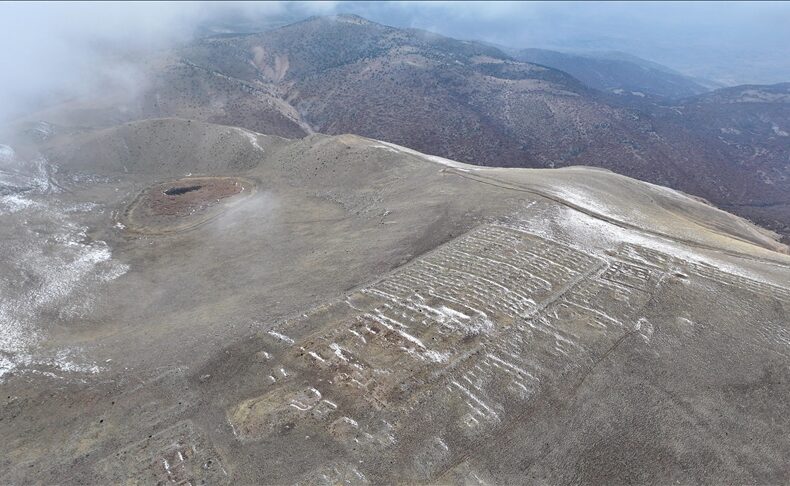
Around 2,800 years ago, the Neo-Hittite Kingdom of Tabal emerged as one of the successor states that reshaped central Anatolia following the collapse of the Hittite Empire. Today, the only archaeologically identified urban center attributed to this kingdom occupies an exceptional location: the summit of Mount Göllü, within the borders of Kömürcü village in Niğde Province.
Discovery and the Beginnings of Scientific Research
The existence of the site first came to light nearly a century ago, when a local shepherd named Civan Ali encountered architectural remains while tending livestock on the mountain. This chance discovery soon attracted official attention. In the early years of the Turkish Republic, Mustafa Kemal Atatürk ordered systematic archaeological investigations to be carried out at the site.
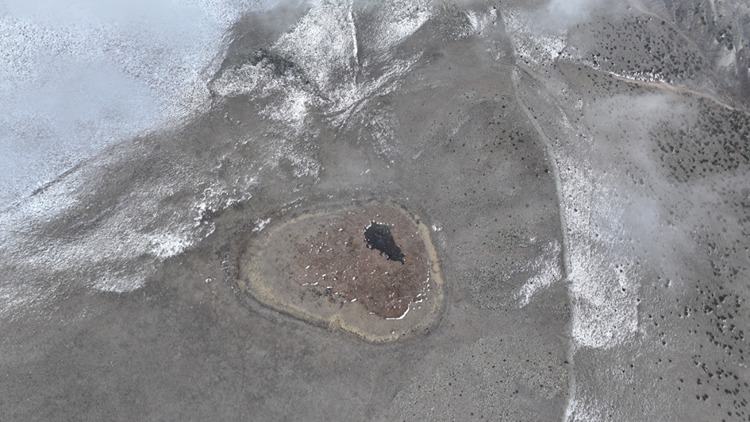
The first scientific excavations began in 1934 under the direction of Remzi Oğuz Arık, one of the foundational figures of Anatolian archaeology. Further fieldwork followed in 1968, led by archaeologist Burhan Tezcan, and later in 1992–1993, when Wulf Schirmer of the German Archaeological Institute continued research at the site. Together, these three excavation campaigns revealed the city’s overall plan, monumental architecture, and defensive system.
A Planned Neo-Hittite City at High Elevation
Archaeological surveys, supported by aerial documentation, demonstrate that the settlement was constructed according to a highly regular grid plan. Straight streets, symmetrical blocks, and carefully organized architectural zones distinguish the city from many other Neo-Hittite sites, where organic growth patterns are more common.
📣 Our WhatsApp channel is now LIVE! Stay up-to-date with the latest news and updates, just click here to follow us on WhatsApp and never miss a thing!!
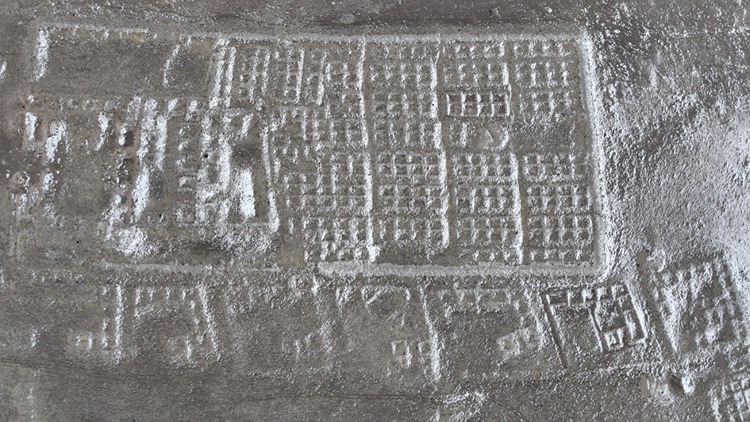
Speaking to Anadolu Agency, archaeologist Mustafa Eryaman emphasized the importance of this urban layout:
“This is one of the clearest and most monumental grid-planned cities known from the Neo-Hittite period in Anatolia. The settlement was founded between the 8th and 7th centuries BC, and its core was dominated by a palace complex.”
According to Eryaman, this palace also carried a cultic function. In Neo-Hittite belief systems, rulers were regarded as possessing divine or semi-divine status, which transformed royal architecture into sacred space. As a result, the palace effectively functioned as a palace-temple, forming the symbolic and administrative heart of the city.
Fortifications and Sculptural Evidence
The central palace-temple complex was enclosed within an inner fortification, while the city as a whole was surrounded by a massive outer defensive wall, turning Mount Göllü into a fully fortified highland stronghold.
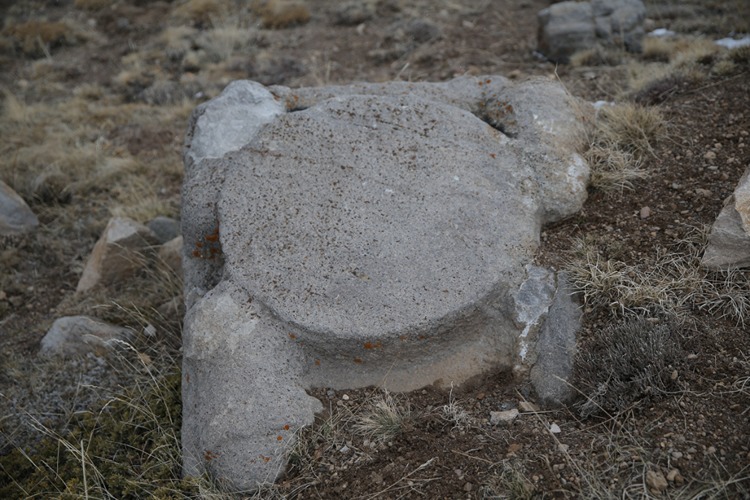
Excavations uncovered several large-scale stone sculptures, including a double-headed lion statue measuring approximately 1.5 meters in height and 2 meters in width, along with lion-shaped column bases and unfinished sculptural blocks. These finds reflect both the artistic traditions and the political symbolism of the Tabal Kingdom.
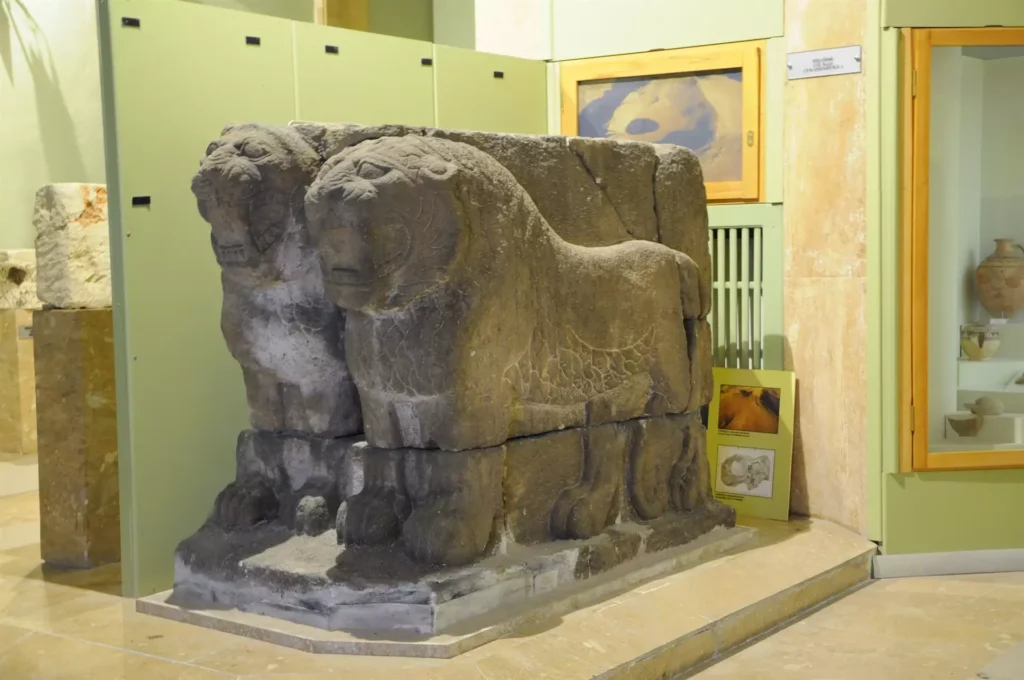
Following their discovery, the sculptures were first transferred to Kayseri and later distributed between the Niğde Archaeology Museum and the Kayseri Archaeology Museum, where they are preserved today.
Limited Traces of Daily Life
One of the most striking aspects of the Mount Göllü site is the scarcity of everyday material culture, particularly domestic ceramics. This absence suggests that the city may have been abandoned at a very early stage, possibly during or shortly after its construction.
Several explanations have been proposed. The city’s elevation of 2,172 meters above sea level may have posed severe climatic challenges. Other hypotheses include a sudden external attack or the outbreak of epidemic disease. As Eryaman notes, however, none of these scenarios can currently be supported by conclusive archaeological evidence.
The Urban Face of the Tabal Kingdom
After the fall of the Hittite Empire, Anatolia fragmented into multiple Neo-Hittite polities, many of which are known primarily through Assyrian written sources. While Tabal appears frequently in these texts, its urban centers have remained elusive.
In this context, the Mount Göllü settlement holds exceptional importance. It stands as the only known city securely attributed to the Neo-Hittite Kingdom of Tabal, offering rare insight into the kingdom’s political organization, urban planning, and architectural ideology.
Researchers emphasize that preserving and presenting the site is essential not only for Niğde’s cultural heritage, but also for advancing broader understanding of Neo-Hittite state formation in central Anatolia.
- A 1700-year-old statue of Pan unearthed during the excavations at Polyeuktos in İstanbul
- The granary was found in the ancient city of Sebaste, founded by the first Roman emperor Augustus
- Donalar Kale Kapı Rock Tomb or Donalar Rock Tomb
- Theater emerges as works continue in ancient city of Perinthos
- Urartian King Argishti’s bronze shield revealed the name of an unknown country
- The religious center of Lycia, the ancient city of Letoon
- Who were the Luwians?
- A new study brings a fresh perspective on the Anatolian origin of the Indo-European languages

- Perhaps the oldest thermal treatment center in the world, which has been in continuous use for 2000 years -Basilica Therma Roman Bath or King’s Daughter-
- The largest synagogue of the ancient world, located in the ancient city of Sardis, is being restored
Leave a Reply