
Rare 1,800-Year-Old Domed Roman Tomb Unearthed in Southeastern Anatolia
An archaeological discovery in southeastern Anatolia has brought to light a rare and architecturally sophisticated funerary structure. In the rural landscape of Besni, a district of Adıyaman, museum experts have identified a domed tomb chamber dating to the 2nd century CE—approximately 1,800 years ago—marking one of the most notable funerary finds ever recorded in the province.
Discovery Triggered by a Local Report
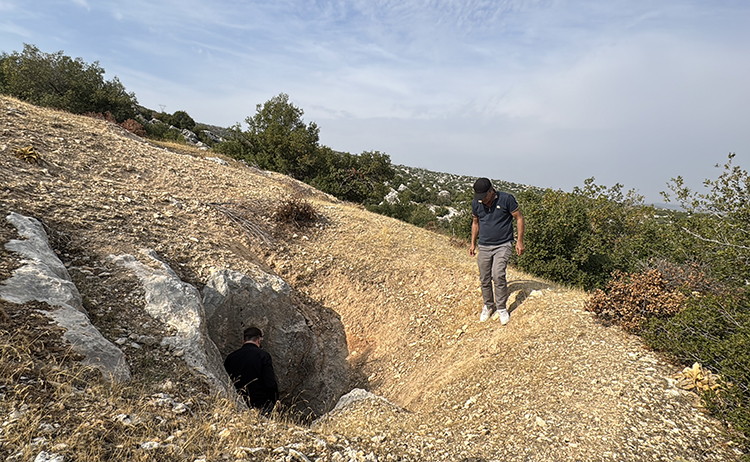
The structure was identified after a local tip-off prompted fieldwork by teams from the Adıyaman Museum Directorate. Investigations focused on the rocky terrain surrounding Yukarı Söğütlü village, where archaeologists encountered a tomb complex carved into a steep and inaccessible area. Preliminary surveys indicate the presence of at least five interconnected burial chambers, with one main chamber distinguished by a well-preserved dome.
Architectural Features of a High-Status Tomb
According to the museum’s initial assessment, the exposed chamber belongs to a larger monumental tomb complex. The central space is covered by a carefully constructed dome—an architectural choice rarely preserved in rural funerary contexts of this region.
Museum Director Mehmet Alkan emphasized the importance of the structure in remarks to Anadolu Agency:
📣 Our WhatsApp channel is now LIVE! Stay up-to-date with the latest news and updates, just click here to follow us on WhatsApp and never miss a thing!!
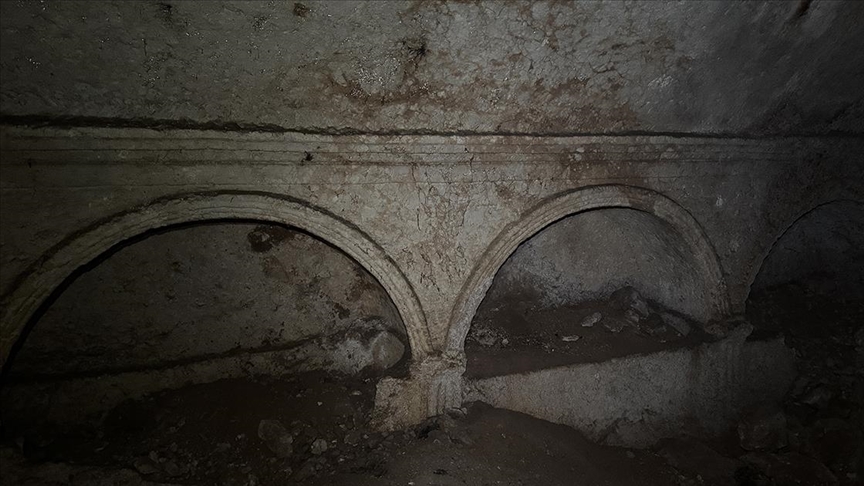
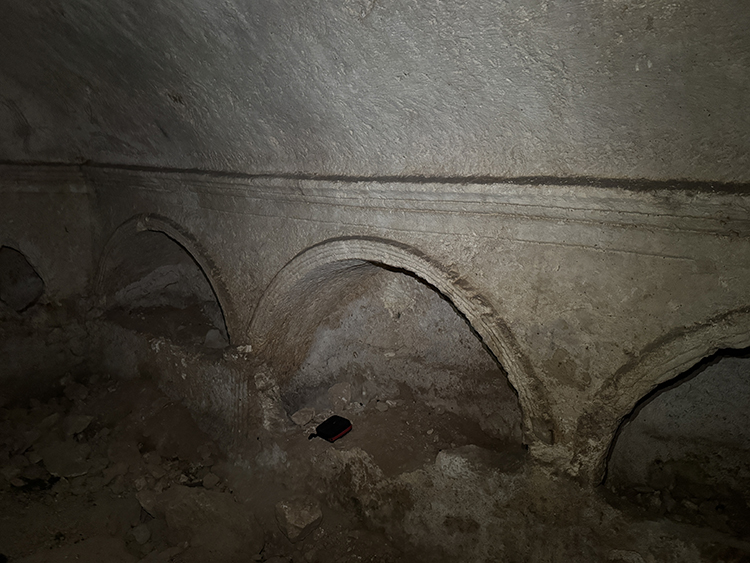
“We assess that this domed tomb chamber dates to the 2nd century CE, roughly 1,800 years ago. At the entrance, there are three arched burial niches on each side, connected to one another by columns. Above them, finely worked cornice elements display a high level of architectural refinement. This was clearly a tomb built for a family of elevated social status.”
The combination of arches, columns, and ornamental cornices suggests skilled craftsmanship and considerable investment—features typically associated with elite Roman-period burials in Anatolia.
Symbolic Reliefs and Interior Decoration
Despite damage caused by time and natural erosion, parts of the interior decoration have survived. Directly opposite the entrance, archaeologists documented a striking relief composition inside one of the arched burial spaces.
“Within the arched grave opposite the entrance, we identified six wild goat head reliefs,” Alkan explained. “These are linked by garlands, and above them appear shell motifs. Such imagery is traditionally associated with immortality in Roman funerary symbolism.”
Additional niches were identified on both sides of the chamber, likely used for oil lamps and ritual offerings. These features point to repeated commemorative practices rather than a single burial event.
Domed Tomb Chambers in Roman Anatolia
Domed tomb chambers represent a distinctive but relatively uncommon funerary form in Roman Anatolia, especially outside major urban centers. While rock-cut chamber tombs are widespread, the integration of a dome reflects architectural influences drawn from Roman monumental traditions, often adapted for local elites seeking visual permanence and symbolic prestige.
Such tombs typically served extended family groups and functioned as visible markers of lineage, status, and continuity. Their elevated locations—often carved into cliffs or rocky hillsides—further reinforced their commemorative and territorial significance within the landscape.
Legal Protection and Next Steps
The Adıyaman Museum Directorate has initiated the formal process to register the tomb as a protected cultural asset. An application will be submitted to the Şanlıurfa Regional Council for the Protection of Cultural Heritage, which will determine conservation measures and future research protocols.
For regional archaeology, the discovery is particularly significant. As Alkan noted, this type of domed funerary architecture has not previously been documented in Adıyaman, making the site an important new reference point for understanding Roman-period burial practices in southeastern Anatolia.
As further documentation and conservation work proceed, the tomb is expected to contribute valuable insights into local expressions of Roman funerary architecture, symbolism, and social hierarchy—extending well beyond the boundaries of Besni itself.
- A 1700-year-old statue of Pan unearthed during the excavations at Polyeuktos in İstanbul
- The granary was found in the ancient city of Sebaste, founded by the first Roman emperor Augustus
- Donalar Kale Kapı Rock Tomb or Donalar Rock Tomb
- Theater emerges as works continue in ancient city of Perinthos
- Urartian King Argishti’s bronze shield revealed the name of an unknown country
- The religious center of Lycia, the ancient city of Letoon
- Who were the Luwians?
- A new study brings a fresh perspective on the Anatolian origin of the Indo-European languages

- Perhaps the oldest thermal treatment center in the world, which has been in continuous use for 2000 years -Basilica Therma Roman Bath or King’s Daughter-
- The largest synagogue of the ancient world, located in the ancient city of Sardis, is being restored
Leave a Reply