

A Unique Artuqid-Era Ivory Archer’s Ring Discovered at Hasankeyf’s Great Palace
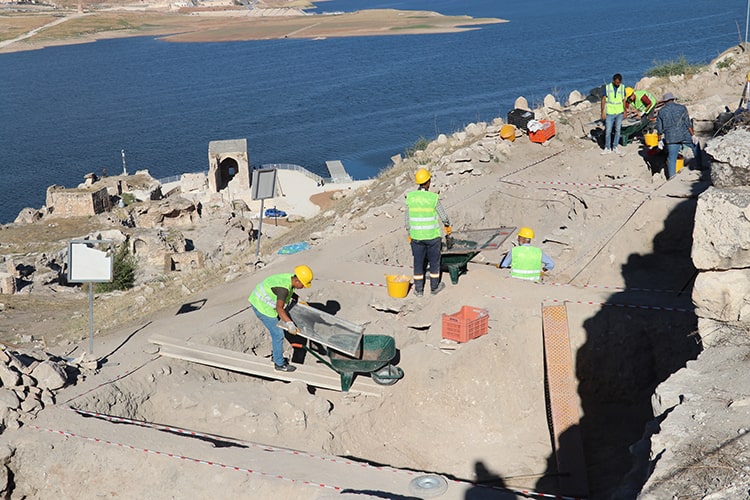
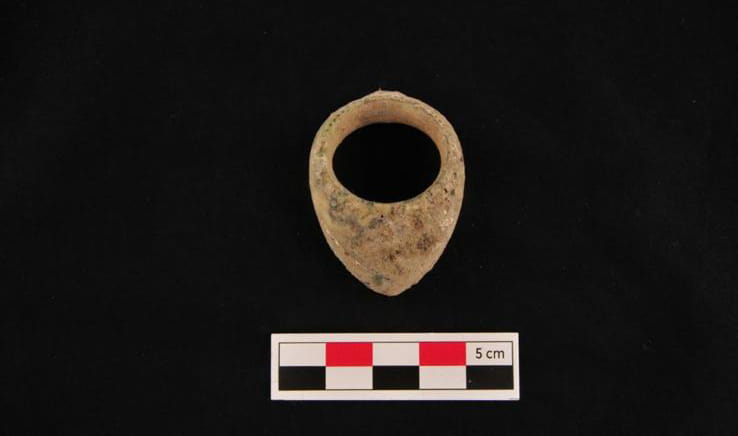
Archaeological excavations at Hasankeyf during the 2025 field season have yielded an exceptional discovery that sheds new light on elite culture in medieval Anatolia. In the southeastern corner of the Great Palace complex, researchers uncovered a rare ivory archer’s ring (zihgir) dating to the Artuqid period (12th–13th century)—a find described as unique both in material and decoration.
A rare palace object uncovered in a ceremonial context
The excavations are being conducted under the direction of Assoc. Prof. Dr. Zekai Erdal of Mardin Artuklu University, with a specialized interdisciplinary team. The zihgir was found at the intersection of the palace’s structural walls, a location that strongly suggests an association with the courtly environment rather than a military or domestic context.
Pearls, turquoise, and silver: craftsmanship beyond function
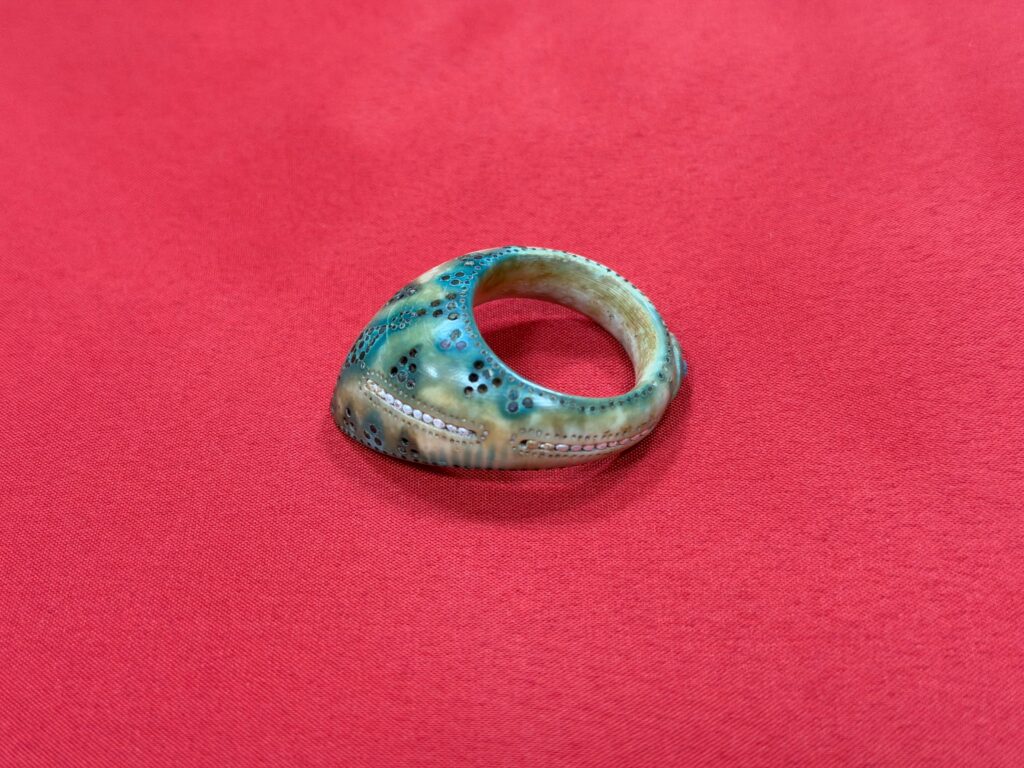
Carved from ivory, the archer’s ring features an unusually elaborate decorative program. The outer face of the thumb guard is adorned with rows of small pearl inlays, while the lateral section bears a round turquoise stone set within a lozenge-shaped platform. Around the finger opening, fine circular silver inlays are arranged in rows, complemented by diagonally placed silver elements forming triangular motifs. At the center of the guard, a silver-inlaid lozenge motif anchors the composition.
Such refinement indicates that the object was designed not merely for use in archery, but as a high-status ornamental item, intended to signal rank, identity, and prestige.
📣 Our WhatsApp channel is now LIVE! Stay up-to-date with the latest news and updates, just click here to follow us on WhatsApp and never miss a thing!!
The Artuqids: a courtly dynasty at the crossroads of Anatolia
The Artuqids were a Turkmen dynasty that ruled large parts of southeastern Anatolia and northern Mesopotamia between the late 11th and early 13th centuries. With capitals at cities such as Hasankeyf and Mardin, they played a key role in shaping the region’s political stability, urban development, and artistic production. Artuqid courts were known for patronizing architecture, metalwork, and luxury crafts that blended Islamic, Byzantine, and local Anatolian traditions.
A status symbol linked to the Artuqid elite
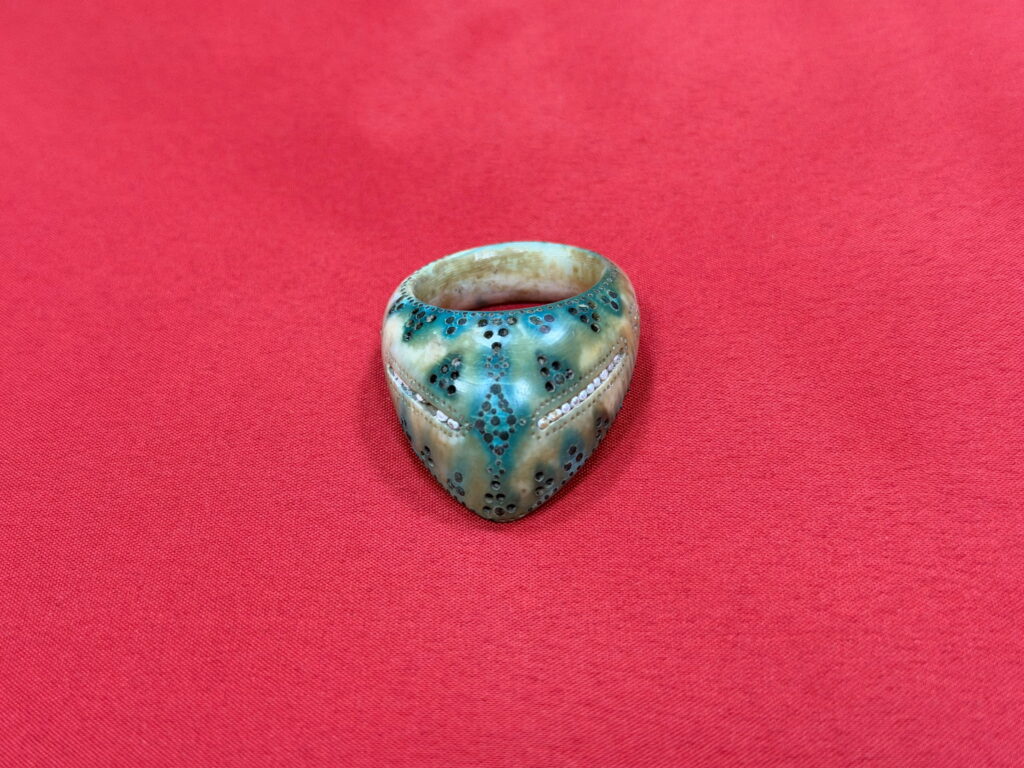
The use of ivory, pearls, silver, and turquoise—materials rarely combined in known zihgir examples—suggests that this object may have belonged to a high-ranking member of the Artuqid ruling elite. Researchers emphasize that, unlike utilitarian archer’s rings commonly associated with warfare, this piece was likely conceived as a symbolic and representational object, reflecting courtly taste rather than battlefield necessity.
No known parallels: a unique find in medieval archaeology
Comparative research conducted so far has revealed no known examples of pearl-inlaid archer’s rings in museum collections or archaeological literature. This absence makes the Hasankeyf find genuinely unique, elevating its importance well beyond the site itself.
Scholars note that the discovery offers valuable insights into Artuqid elite identity, luxury consumption, and craftsmanship, and provides a rare material window into how power and status were visually expressed in medieval Anatolia.
As excavations at Hasankeyf continue, the find underscores the site’s significance not only as a political center, but also as a hub of refined court culture during one of Anatolia’s most dynamic medieval periods.
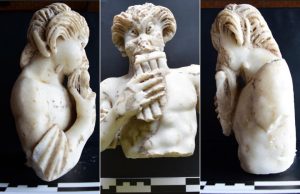
- A 1700-year-old statue of Pan unearthed during the excavations at Polyeuktos in İstanbul
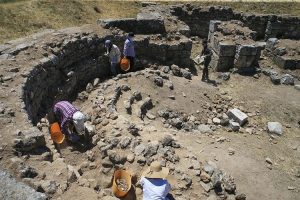
- The granary was found in the ancient city of Sebaste, founded by the first Roman emperor Augustus
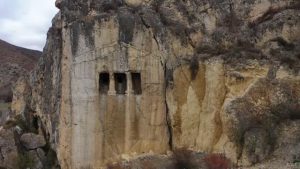
- Donalar Kale Kapı Rock Tomb or Donalar Rock Tomb
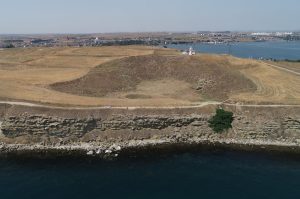
- Theater emerges as works continue in ancient city of Perinthos
- Urartian King Argishti’s bronze shield revealed the name of an unknown country

- The religious center of Lycia, the ancient city of Letoon
- Who were the Luwians?

- A new study brings a fresh perspective on the Anatolian origin of the Indo-European languages

- Perhaps the oldest thermal treatment center in the world, which has been in continuous use for 2000 years -Basilica Therma Roman Bath or King’s Daughter-
- The largest synagogue of the ancient world, located in the ancient city of Sardis, is being restored
Leave a Reply