

A Long-Hidden Roman Thermal Complex Emerges at Myra After 15 Years of Delay
For more than a decade, a Roman-era structure lay trapped beneath modern industry at the edge of Myra Ancient City, its archaeological potential known but inaccessible. In 2025, that barrier finally disappeared. Excavations in Demre, southern Türkiye, have now brought to light an exceptional Roman thermal complex, revealing an architectural type previously undocumented in the region.
Located within the protected boundaries of Myra in today’s Demre, the building dates to the 2nd century CE, during the height of the Roman Imperial period. What makes the discovery notable is not only its preservation, but the fact that it does not conform to any known Roman bath or fountain typology.
Fifteen Years of Waiting Beneath an Industrial Zone
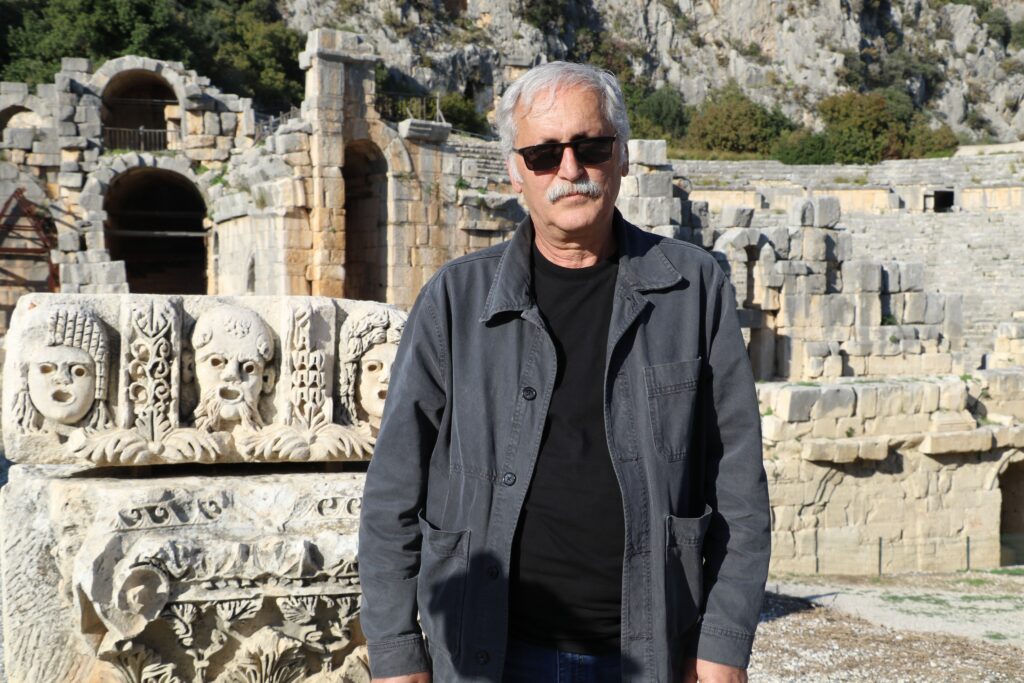
The excavation is directed by Nevzat Çevik, who has led archaeological work at Myra since 2009. According to Çevik, the structure had been identified in scholarship decades earlier, yet remained untouched due to its proximity to a dense and long-standing industrial area.
Rather than pursue partial or compromised excavation, the team made a deliberate decision to wait. Only after the complete removal of surrounding industrial buildings by the local municipality could work begin. The excavation now proceeds under Türkiye’s Ministry of Culture and Tourism within the national “Heritage for the Future” framework, which prioritizes long-term conservation alongside research.
📣 Our WhatsApp channel is now LIVE! Stay up-to-date with the latest news and updates, just click here to follow us on WhatsApp and never miss a thing!!
Why It Was Misidentified for Decades
In academic literature since the 1960s, the structure had been labeled a nymphaion, following an assessment by Wilhelm Borchardt. That identification persisted largely because the building’s full plan remained obscured.
As excavation progressed and the layout became visible, that interpretation collapsed. The structure is neither a conventional Roman bath nor a monumental fountain. Instead, it represents a purpose-built thermal installation directly dependent on natural hot water, designed around an original and highly specialized plan.
According to the excavation team, no parallel example is currently known in Lycia or neighboring regions, positioning the find as a rare contribution to the architectural history of the Roman Empire.
Pools, Marble, and Controlled Water Management
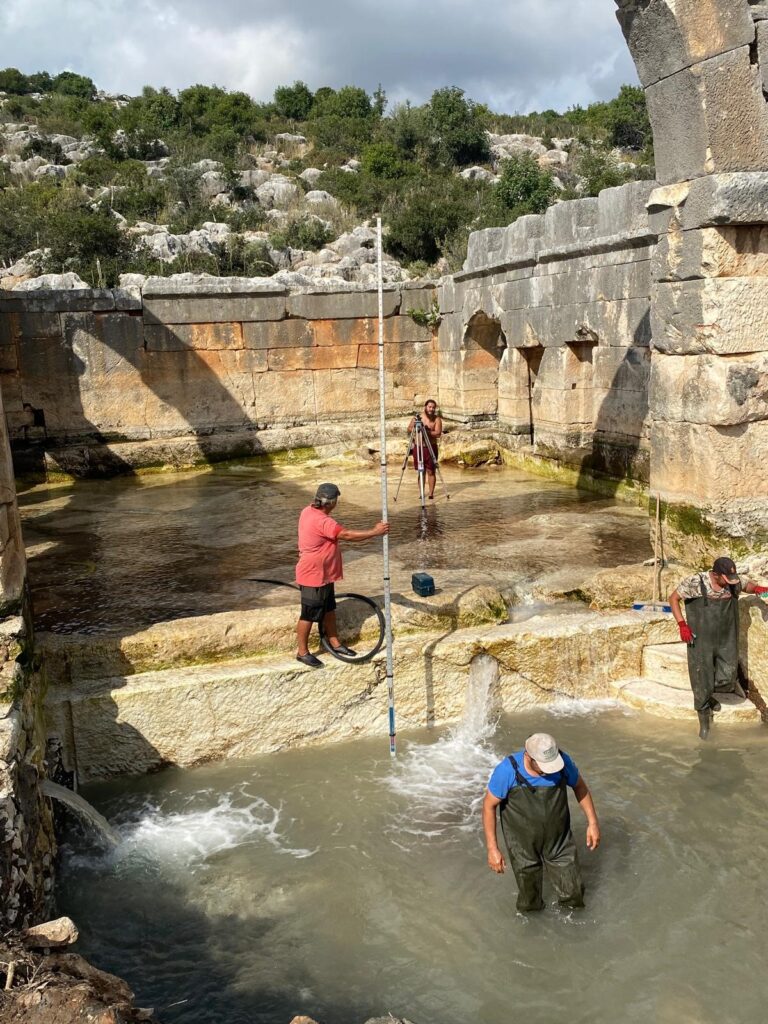
Archaeologists have so far uncovered two pools of differing sizes, both originally lined with marble. Significant sections of this marble cladding remain in situ, offering valuable insight into construction techniques and aesthetic preferences of the period.
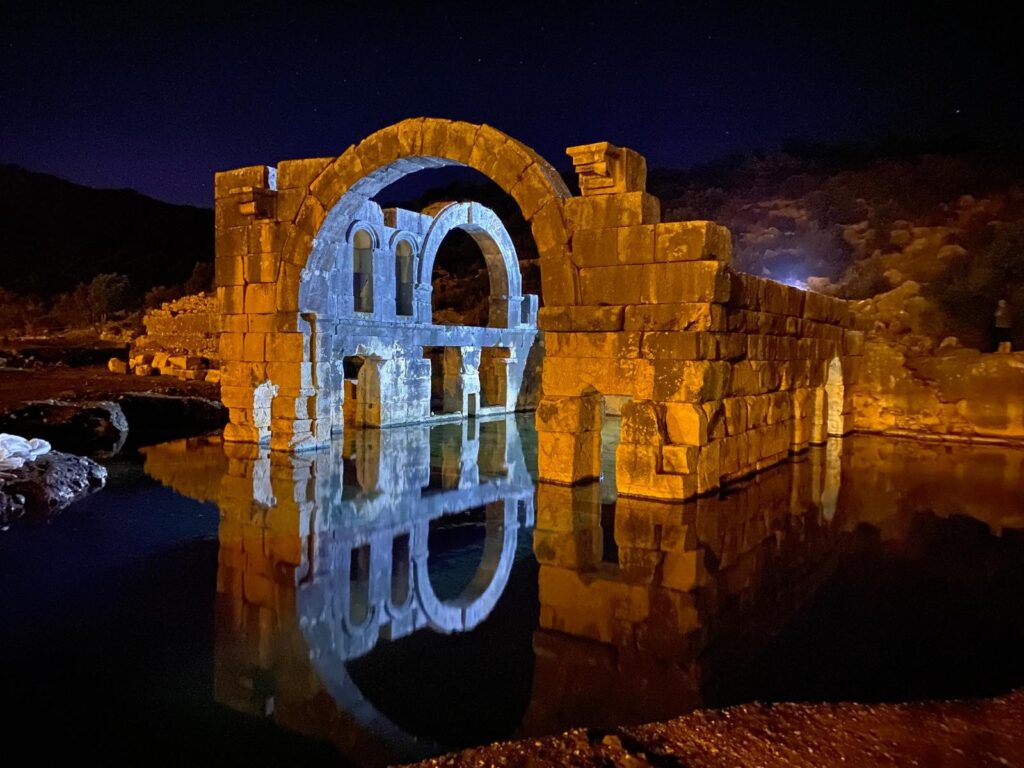
The structure’s defining challenge is water. Because the thermal source continues to flow, water depth varies across different levels of the building. Excavation therefore proceeds cautiously, with engineers and conservation specialists working alongside archaeologists to design sustainable drainage and water-control solutions that will protect both the architecture and the ongoing research.
A Discovery That Reshapes Myra’s Roman Landscape
Myra is widely known for its rock-cut Lycian tombs and monumental Roman theater. The emergence of a unique imperial-period thermal complex adds a new dimension to the city’s urban and social history, suggesting forms of health, ritual, or leisure infrastructure previously unrecognized.
As excavation continues, scholars expect the site to contribute not only to regional archaeology, but also to broader debates on Roman thermal architecture and localized adaptations of imperial design.
- A 1700-year-old statue of Pan unearthed during the excavations at Polyeuktos in İstanbul
- The granary was found in the ancient city of Sebaste, founded by the first Roman emperor Augustus
- Donalar Kale Kapı Rock Tomb or Donalar Rock Tomb
- Theater emerges as works continue in ancient city of Perinthos
- Urartian King Argishti’s bronze shield revealed the name of an unknown country
- The religious center of Lycia, the ancient city of Letoon
- Who were the Luwians?

- A new study brings a fresh perspective on the Anatolian origin of the Indo-European languages

- Perhaps the oldest thermal treatment center in the world, which has been in continuous use for 2000 years -Basilica Therma Roman Bath or King’s Daughter-
- The largest synagogue of the ancient world, located in the ancient city of Sardis, is being restored
Leave a Reply