Pergamon Find Confirms Feces-Based Medicine Was Practiced in Roman Anatolia
Ancient medical texts often describe remedies that sound implausible—or even shocking—to modern readers. Among the most controversial are treatments based on human waste. Until now, such remedies were known only from written sources.
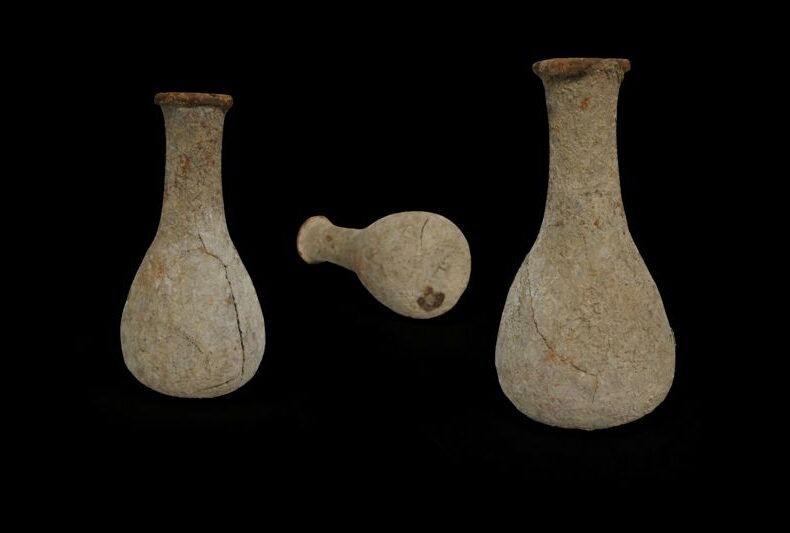
A small Roman glass vessel recovered from Pergamon has changed that picture, offering the first direct chemical evidence that these therapies were not theoretical ideas, but part of everyday medical practice in Roman Anatolia
An overlooked object from a major medical center
The vessel itself is modest in appearance: a Roman unguentarium, a type of small glass container widely found across the eastern Mediterranean. For decades, archaeologists have typically interpreted such objects as holders for perfumes, oils, or cosmetic preparations.
Yet Pergamon was not an ordinary city. It stood at the heart of medical learning in Roman Asia Minor, attracting physicians, patients, and pilgrims from across the empire. Within this context, even a simple glass container demanded a closer look.
📣 Our WhatsApp channel is now LIVE! Stay up-to-date with the latest news and updates, just click here to follow us on WhatsApp and never miss a thing!!
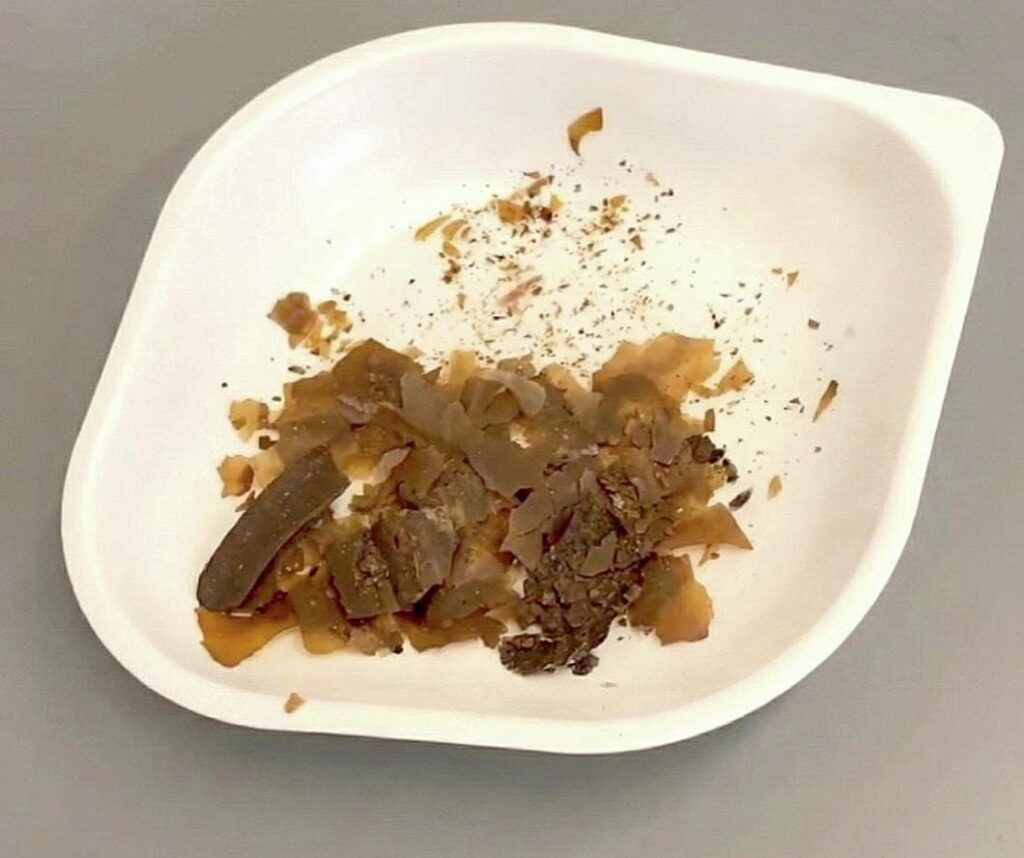
When residue preserved inside the vessel was sampled, it became clear that this was no ordinary cosmetic bottle.
Chemical analysis reveals intentional contents
Laboratory analysis using gas chromatography and mass spectrometry identified compounds that leave little room for interpretation. Two sterols closely associated with the human digestive system were present in ratios that strongly indicate human fecal matter.
These biomarkers are well established in modern science and cannot be explained by accidental contamination. Careful sampling and control procedures ruled out later pollution, confirming that the substance had been deliberately placed in the vessel during antiquity.
This represents the first confirmed case of human feces being chemically identified inside a Roman medical container from Anatolia.
Aromatic additives point to medical know-how
The analysis also detected an aromatic compound derived from thyme, a plant native to Anatolia and frequently mentioned in ancient pharmacological traditions. This finding is especially significant.
Ancient physicians were well aware of the sensory challenges posed by certain remedies. Medical authors such as Galen and Dioscorides describe the use of fragrant plants, oils, and liquids to mask unpleasant odors and improve patient acceptance.
The combination of fecal biomarkers with aromatic plant compounds inside the Pergamon vessel shows that these instructions were followed with care and precision.
Medicine in Anatolia: text meets practice
Pergamon’s association with healing was deeply rooted in both science and belief. The city was closely linked to the cult of Asclepius, and its physicians enjoyed a reputation that extended far beyond Anatolia.
Despite this legacy, many treatments described in ancient medical literature lacked physical confirmation. The Pergamon unguentarium bridges that gap, grounding textual knowledge in material reality.
It demonstrates that even socially sensitive substances were prepared, refined, and administered within an accepted medical framework.
Rethinking small finds in Anatolian archaeology
The discovery invites a broader reassessment of small glass vessels found across Anatolian sites. Rather than assuming a purely cosmetic function, archaeologists may need to consider a wider range of uses, especially in urban centers known for medical activity.
In Roman Anatolia, medicine did not exist in isolation. It intersected with daily life, ritual practice, and sensory experience. Containers like this one were not passive objects, but tools designed to manage both treatment and perception.
Ancient remedies and modern perspective
While feces-based medicine may seem alien today, the researchers cautiously note that modern medicine has rediscovered therapeutic potential in gut-related treatments, albeit through very different scientific frameworks.
Roman physicians lacked microbiological knowledge, but their empirical observations formed a coherent medical logic within their cultural world. The Pergamon find reminds us that ancient medical practices cannot be judged solely by modern standards.
A small vessel, a major shift
For Anatolian archaeologythis discovery marks a turning point. It provides tangible proof that controversial medical practices described in ancient texts were actively carried out in one of the region’s most important cities.
More broadly, it highlights the value of combining chemical analysis with archaeological context. Through this approach, a small glass vessel from Pergamon has transformed our understanding of Roman medicine in Anatolia—from written theory to lived practice.
Atila, C., Demirbolat, İ., & Babaç Çelebi, R. (2026). Feces, fragrance and medicine: Chemical evidence of ancient therapeutics in a Roman unguentarium. Journal of Archaeological Science: Reports
Volume 70, April 2026, 105589. https://www.sciencedirect.com/science/article/abs/pii/S2352409X26000246?via%3Dihub
Cover Image Credit: Roman unguentaria, typically interpreted as cosmetic containers, were small glass vessels used to store scented oils, ointments, and, as new evidence suggests, medically prepared substances. Antiguarian
- A 1700-year-old statue of Pan unearthed during the excavations at Polyeuktos in İstanbul
- The granary was found in the ancient city of Sebaste, founded by the first Roman emperor Augustus
- Donalar Kale Kapı Rock Tomb or Donalar Rock Tomb
- Theater emerges as works continue in ancient city of Perinthos
- Urartian King Argishti’s bronze shield revealed the name of an unknown country
- The religious center of Lycia, the ancient city of Letoon
- Who were the Luwians?
- A new study brings a fresh perspective on the Anatolian origin of the Indo-European languages

- Perhaps the oldest thermal treatment center in the world, which has been in continuous use for 2000 years -Basilica Therma Roman Bath or King’s Daughter-
- The largest synagogue of the ancient world, located in the ancient city of Sardis, is being restored
Leave a Reply