
Carchemish, the Hittites’ Frontier City on the Euphrates, Introduced Through a New Exhibition in Ankara
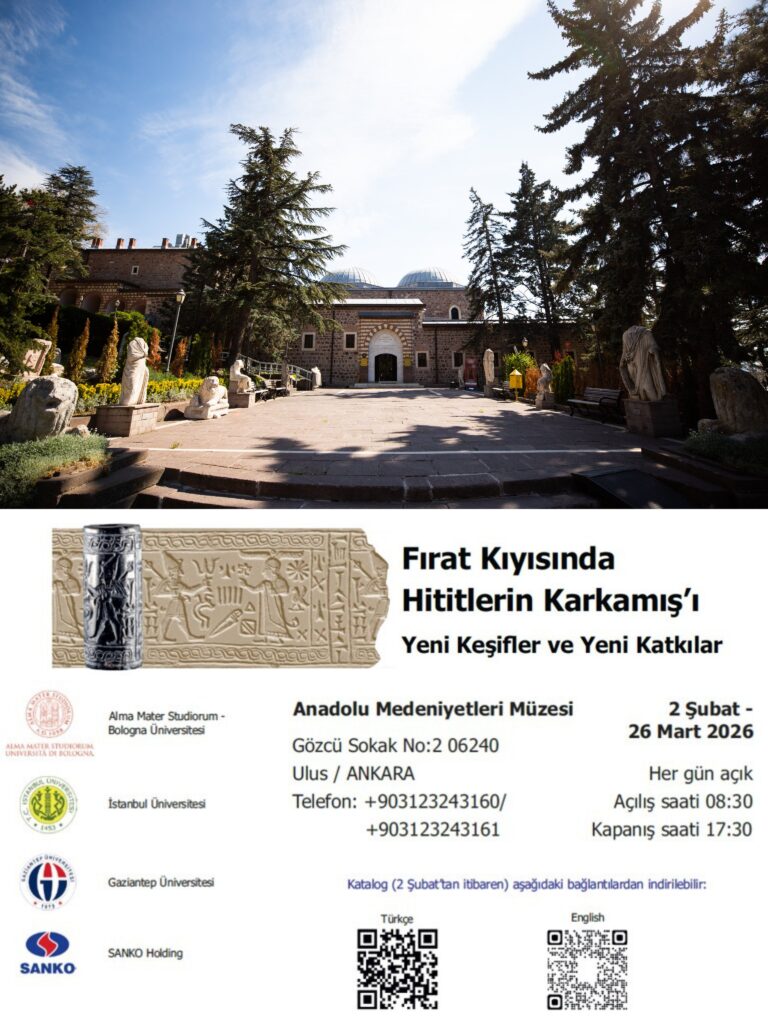
One of the most strategically important cities of the Hittite world has returned to public view—this time not on the banks of the Euphrates, but in the heart of Türkiye’s capital. A new exhibition titled “Carchemish of the Hittites on the Banks of the Euphrates: New Discoveries and New Perspectives” has opened at the Museum of Anatolian Civilizations in Ankara, bringing together recent archaeological research and rare museum collections under one roof.
Located along a critical crossing of the Euphrates, Carchemish served for centuries as a political, military, and cultural frontier of the Hittite Empire. From the Late Bronze Age into the Early Iron Age, the city functioned not merely as a border outpost, but as a resilient center of power that adapted to shifting imperial landscapes. The exhibition places this long and complex history at its core.
The opening ceremony was held with the participation of Ankara Governor Vasip Şahin, Istanbul University Rector Osman Bülent Zülfikar, and SANKO Holding Chairman Adil Sani Konukoğlu. Speakers emphasized that Carchemish continues to play a central role in understanding how the Hittite state managed borders, diplomacy, and cultural continuity in times of political change.
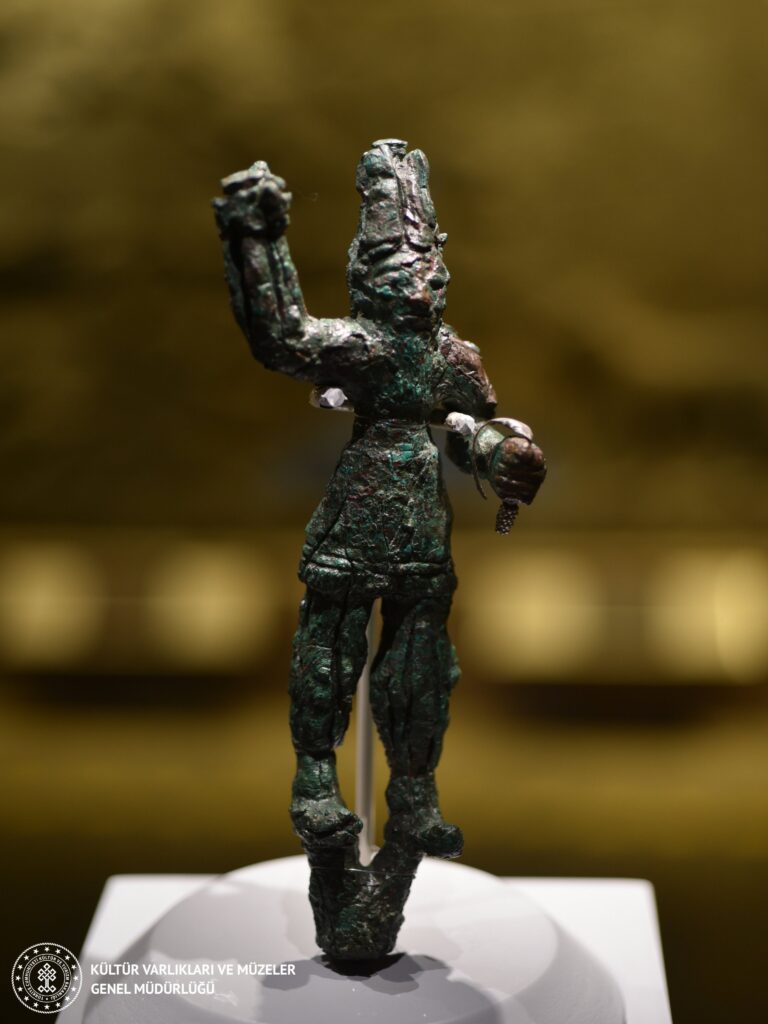
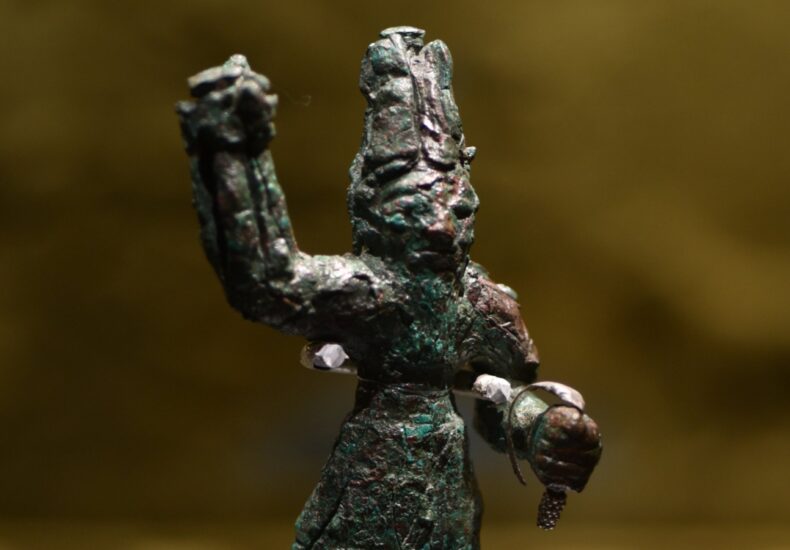
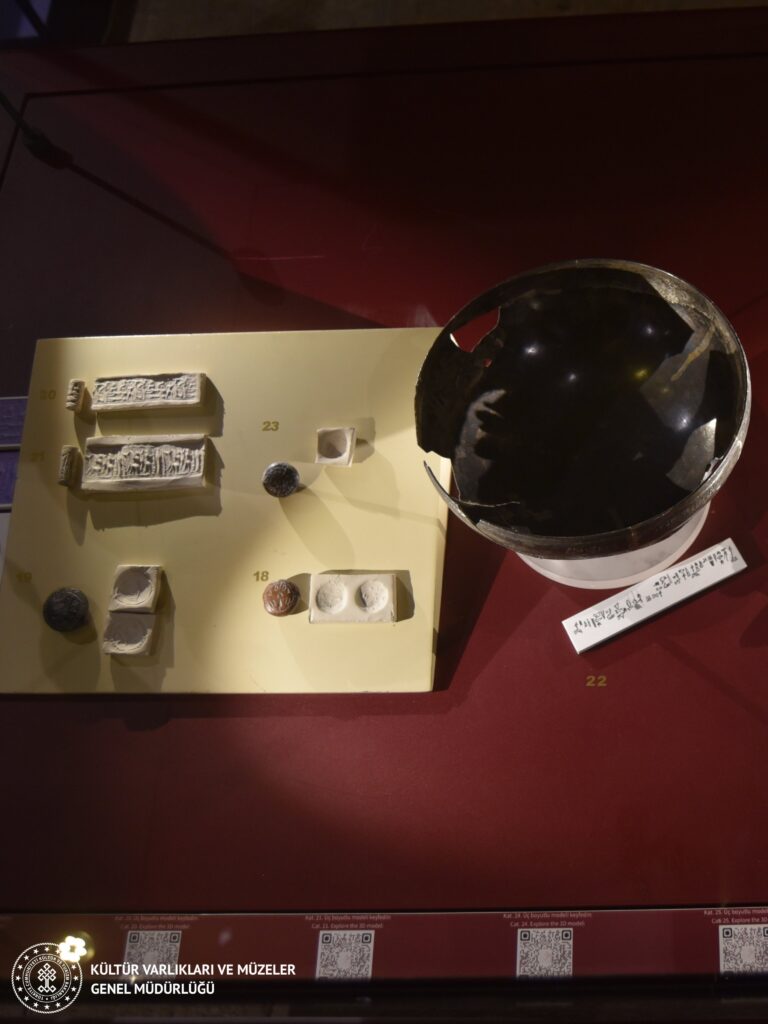
The exhibition brings together 57 selected artifacts dated between 1300 and 700 BC, drawn from the collections of museums in Ankara, Istanbul, and Gaziantep. Stone relief fragments, inscriptions, seals, and ritual objects trace Carchemish’s transformation from an imperial Hittite stronghold into one of the leading Neo-Hittite kingdoms of the Iron Age. Rather than presenting these objects as isolated masterpieces, the exhibition frames them within the broader narrative of ongoing excavations and scholarly reassessments.
📣 Our WhatsApp channel is now LIVE! Stay up-to-date with the latest news and updates, just click here to follow us on WhatsApp and never miss a thing!!
What distinguishes the exhibition is its emphasis on new interpretations. Recent archaeological work has refined long-held assumptions about Carchemish’s political structure, artistic production, and regional influence. Visitors are invited not only to view the material culture, but to follow the evolving questions that continue to shape Hittite studies today.
Open to the public from February 2 to March 26, 2026, the exhibition offers international visitors a rare opportunity to engage with one of Anatolia’s most influential ancient cities—reframed through current research and presented in one of the world’s leading archaeology museums.
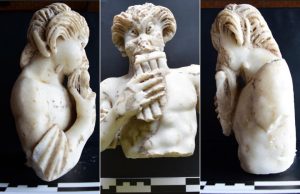
- A 1700-year-old statue of Pan unearthed during the excavations at Polyeuktos in İstanbul
- The granary was found in the ancient city of Sebaste, founded by the first Roman emperor Augustus
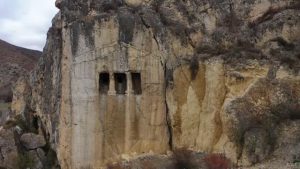
- Donalar Kale Kapı Rock Tomb or Donalar Rock Tomb
- Theater emerges as works continue in ancient city of Perinthos
- Urartian King Argishti’s bronze shield revealed the name of an unknown country
- The religious center of Lycia, the ancient city of Letoon
- Who were the Luwians?
- A new study brings a fresh perspective on the Anatolian origin of the Indo-European languages

- Perhaps the oldest thermal treatment center in the world, which has been in continuous use for 2000 years -Basilica Therma Roman Bath or King’s Daughter-
- The largest synagogue of the ancient world, located in the ancient city of Sardis, is being restored
Leave a Reply