Ancient Ritual Pit at Oluz Höyük May Represent Anatolia’s Earliest Evidence of Zoroastrian Worship
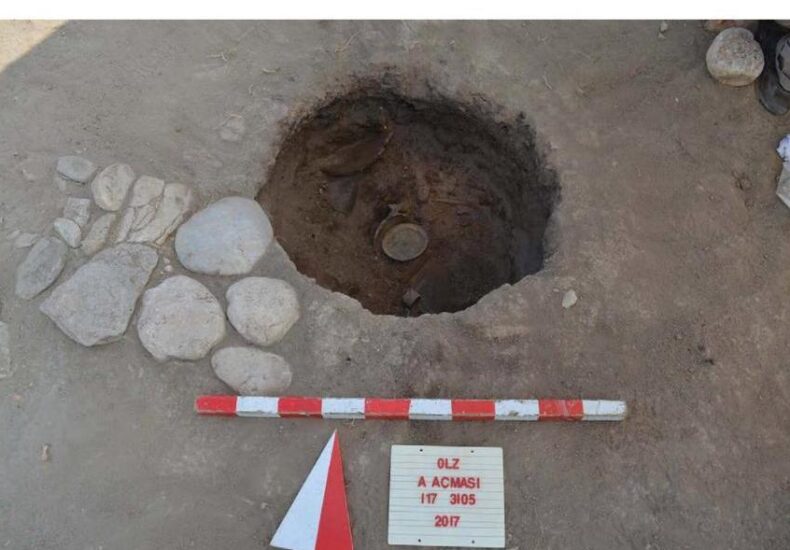
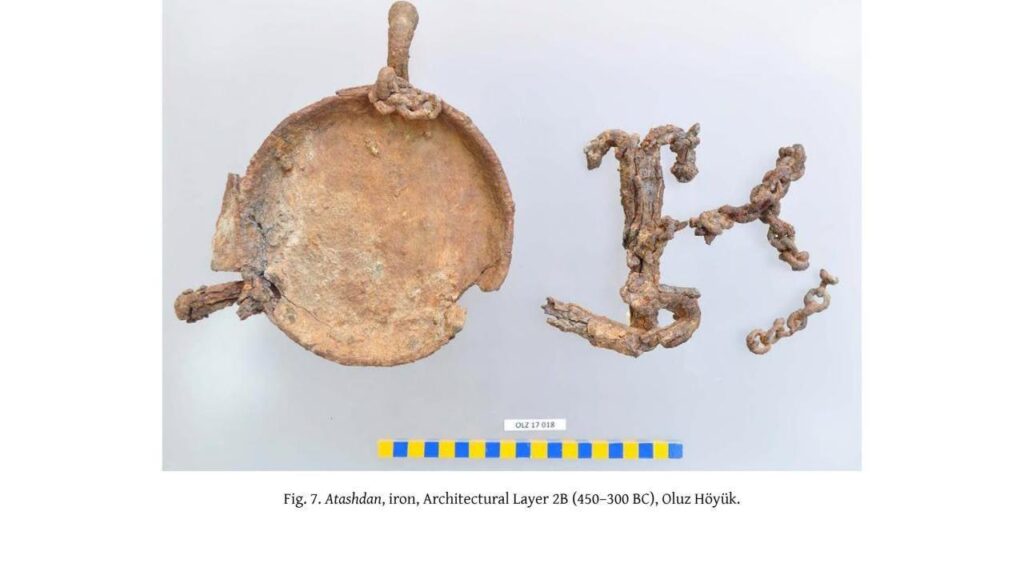
Across central Anatolia, layers of earth sometimes preserve turning points in religious history. At Oluz Höyük, an archaeological mound near modern Amasya in northern Türkiye, researchers have identified a ritual installation that may represent the earliest archaeological evidence of Zoroastrian ceremonial practice in Anatolia. The interpretation is based on a detailed academic study examining a carefully constructed bothros—a ritual pit—whose contents and context suggest ceremonial activity linked to early Iranian religious traditions.
The research was conducted by archaeologist Mona Saba, whose study titled “An Important Bothros from Oluz Höyük: The Oldest Zoroastrian Ritual Finds in Anatolia” was published in the scholarly volume The Black Sea: Hub of Peoples and Cultures (8th Century BC – 5th/6th Century AD), released by Archaeopress as part of the proceedings of the Seventh International Congress on Black Sea Antiquities.
A Ritual Structure That Stands Apart
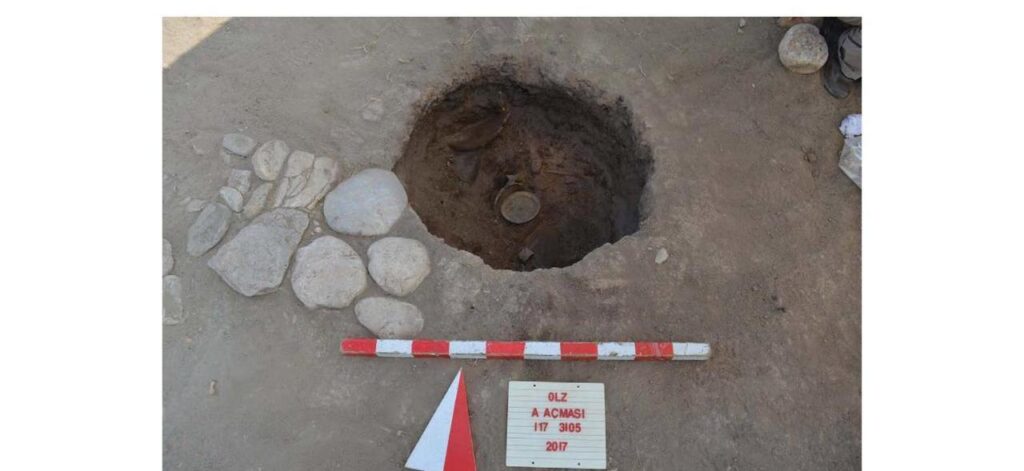
The ceremonial pit documented at Oluz Höyük differs noticeably from ritual installations associated with earlier Anatolian belief systems. Excavation results show a deliberately prepared pit containing deposits interpreted as structured offerings rather than domestic or accidental refuse.
According to Saba’s analysis, the arrangement of materials within the pit and the controlled nature of its fill point toward ritualized deposition. Bothroi are known across ancient Mediterranean and Near Eastern religious traditions, often serving as spaces where offerings were presented to divine or chthonic forces. However, the Oluz Höyük example appears to align more closely with ceremonial behavior associated with Iranian religious traditions emerging during the Achaemenid period
📣 Our WhatsApp channel is now LIVE! Stay up-to-date with the latest news and updates, just click here to follow us on WhatsApp and never miss a thing!!
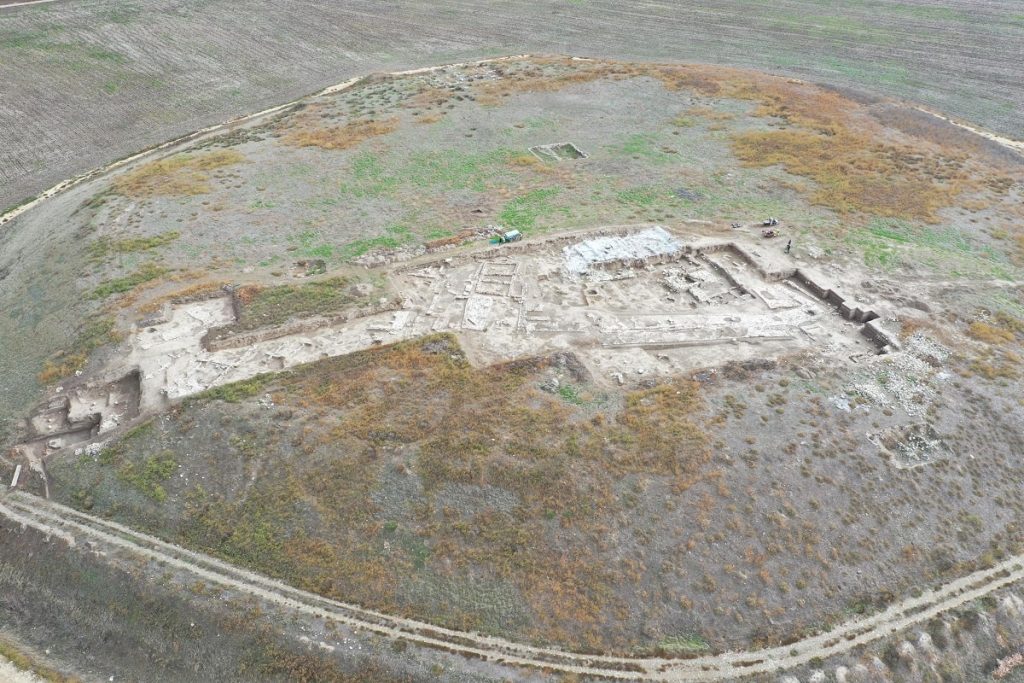
The pit also appears to be part of a wider sacred architectural setting uncovered at the site, reinforcing the interpretation that the feature formed part of an organized cultic environment rather than an isolated ritual installation.
Archaeological Indicators of Early Zoroastrian Practice
Zoroastrianism, one of the oldest recorded religious traditions of the ancient Iranian world, emphasized purity, carefully regulated ritual offerings, and symbolic interactions between sacred elements such as fire, earth, and water. The Oluz Höyük bothros displays several characteristics that scholars associate with these ritual frameworks.
Material remains discovered within the pit suggest deliberate ceremonial placement rather than utilitarian disposal. Saba’s research draws parallels between these deposits and ritual behaviors described in early Iranian religious traditions, where offering pits could function as controlled sacred spaces used to maintain spiritual order and ritual purity.
Chronologically, the installation dates to the Achaemenid period, when Anatolia functioned as a western administrative and cultural frontier of the Persian Empire. Historical sources indicate that Persian imperial governance facilitated the spread of Iranian cultural and religious practices across Anatolia. The Oluz Höyük evidence now provides rare archaeological data supporting this historical narrative.
Oluz Höyük and the Religious Landscape of Achaemenid Anatolia
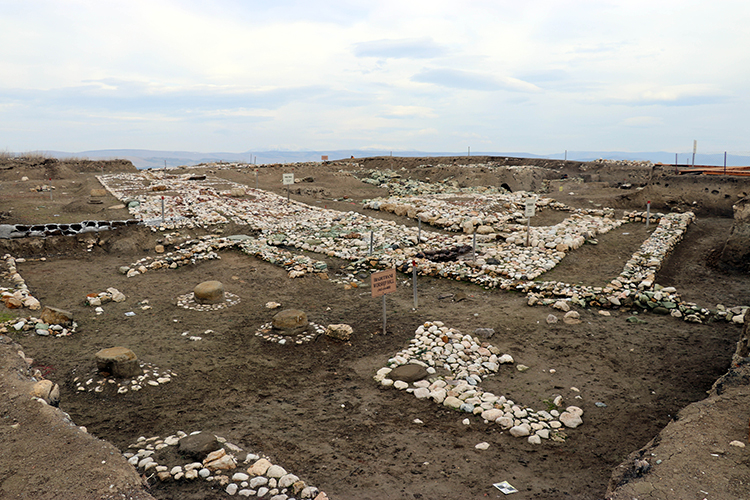
Excavations at Oluz Höyük, directed by Turkish archaeologist Prof. Dr. Şevket Dönmez, have revealed the site as a major settlement reflecting Persian imperial presence in central Anatolia. The mound has produced remains of monumental architecture, urban planning features, and ceremonial installations suggesting a strong administrative and religious role during the Achaemenid era.
Previous discoveries at the site include architectural features interpreted as connected to fire-related cult practices. The newly studied bothros appears to complement these findings, strengthening the argument that Iranian religious ideology was actively practiced at the settlement while interacting with local Anatolian traditions.
Such cultural blending was characteristic of Achaemenid imperial policy, which often allowed regional religious traditions to coexist alongside Persian ceremonial symbolism. Oluz Höyük now stands as a key example of this layered cultural and religious interaction.
Rewriting the Timeline of Zoroastrian Influence in Anatolia
The Oluz Höyük bothros has significant implications for understanding the spread of Zoroastrian religious traditions westward. Written sources describing daily religious life in Persian provincial territories remain limited. Archaeological discoveries therefore play a crucial role in reconstructing how belief systems spread across imperial boundaries.
If the interpretation proposed in Saba’s study continues to gain scholarly support, the Oluz Höyük installation may represent the earliest currently known archaeological evidence of Zoroastrian ritual practice in Anatolia. Beyond chronology, the discovery demonstrates that religious transmission during the Persian period occurred not solely through political authority but also through localized ceremonial adoption.
As excavations and interdisciplinary studies continue, Oluz Höyük is expected to remain central to discussions about cultural exchange and religious transformation in the ancient Near East. The ritual pit discovered there offers a rare glimpse into how one of antiquity’s most influential religious traditions may have taken root in Anatolia.
- A 1700-year-old statue of Pan unearthed during the excavations at Polyeuktos in İstanbul
- The granary was found in the ancient city of Sebaste, founded by the first Roman emperor Augustus
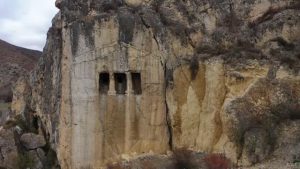
- Donalar Kale Kapı Rock Tomb or Donalar Rock Tomb
- Theater emerges as works continue in ancient city of Perinthos
- Urartian King Argishti’s bronze shield revealed the name of an unknown country
- The religious center of Lycia, the ancient city of Letoon
- Who were the Luwians?
- A new study brings a fresh perspective on the Anatolian origin of the Indo-European languages

- Perhaps the oldest thermal treatment center in the world, which has been in continuous use for 2000 years -Basilica Therma Roman Bath or King’s Daughter-
- The largest synagogue of the ancient world, located in the ancient city of Sardis, is being restored
Leave a Reply