
2,200-Year-Old Assembly Building at Aigai Enters Conservation Phase in Western Türkiye
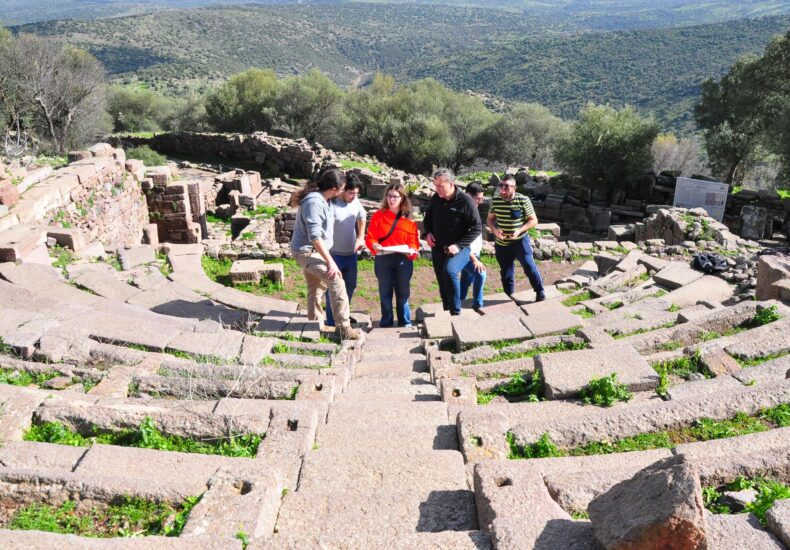
High on the slopes of Yunt Mountain in western Türkiye, a silent stone structure once echoed with debate. Today, the 2,200-year-old bouleuterion—Aigai’s ancient assembly building—is preparing for a new chapter: conservation and restoration.
Located in the Yunusemre district of Manisa, the ancient city of Aigai has been under excavation since 2004. According to excavation director Prof. Dr. Yusuf Sezgin, the first trench opened at the site happened to be in the area of the assembly building—though at the time, no one knew what lay beneath the dense vegetation and collapsed stone.
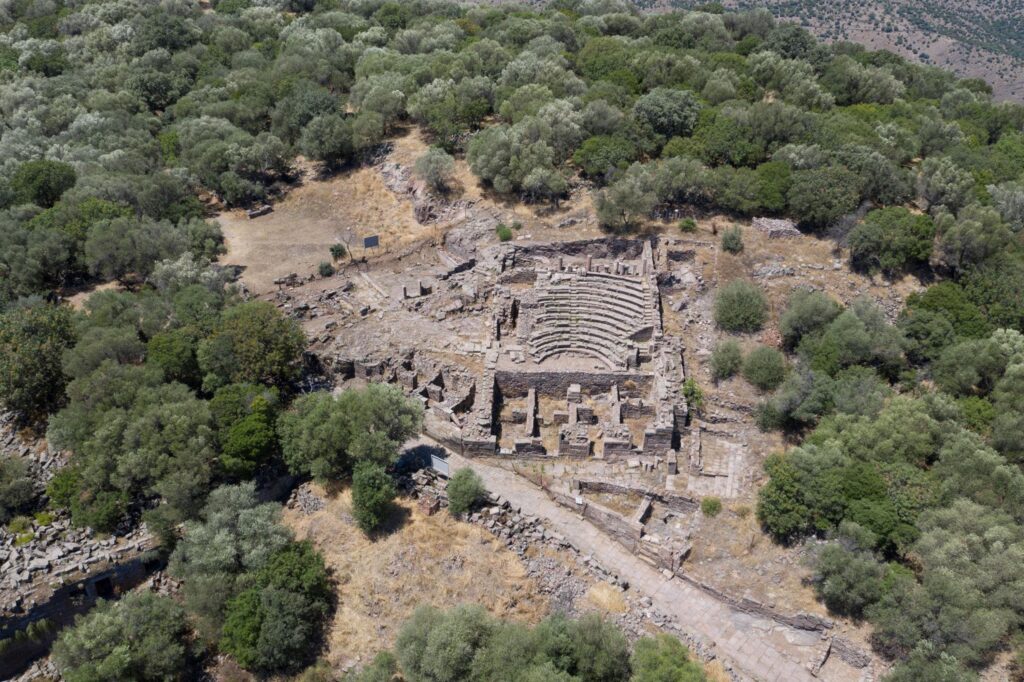
“It was completely covered with brush and rubble,” Sezgin recalls. Over eleven years of systematic excavation, the team gradually revealed the full plan of the structure. What emerged was one of the best-preserved Hellenistic council buildings in western Anatolia.
In antiquity, Aigai functioned as a polis—an independent city-state. Nearly 2,200 years ago, citizens gathered inside this very building to discuss and decide matters concerning their community. The architectural layout reflects a civic system strikingly close to direct democracy, where political participation was embedded in urban life.
📣 Our WhatsApp channel is now LIVE! Stay up-to-date with the latest news and updates, just click here to follow us on WhatsApp and never miss a thing!!
The excavation also uncovered significant finds inside the structure. Evidence linked to the goddess Hestia—the deity associated with the civic hearth—was identified, along with honorary statues dedicated to the family that financed the building’s construction. These discoveries underline the symbolic and political importance of the monument beyond its architectural value.
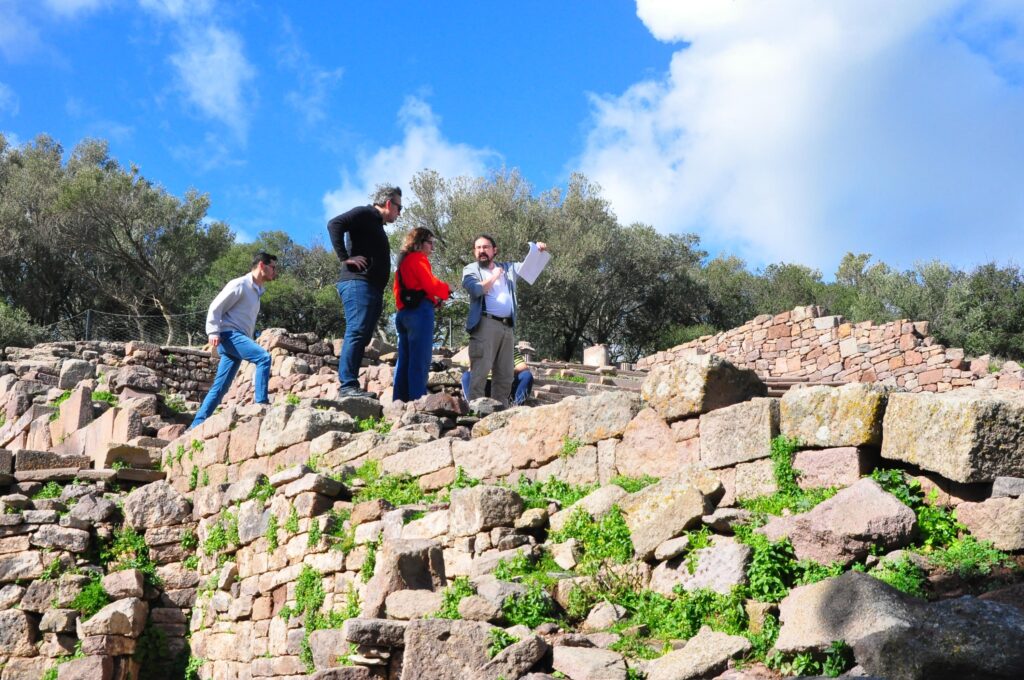
With excavation largely complete, the project now moves into its second phase. In archaeology, digging is only the beginning. Conservation follows. Plans are currently being prepared for protective roofing and structural stabilization, pending final approvals. Restoration work is expected to begin in 2026.
The long-term vision is not merely preservation, but interpretation. Replica statues will help visitors visualize how an ancient assembly functioned within a Hellenistic city-state.
Well-preserved bouleuteria of this scale are rare in western Anatolia. At Aigai, the stones no longer lie hidden. Instead, they are being carefully prepared to tell the story of civic life in the ancient world—once again, in full view.
- A 1700-year-old statue of Pan unearthed during the excavations at Polyeuktos in İstanbul
- The granary was found in the ancient city of Sebaste, founded by the first Roman emperor Augustus
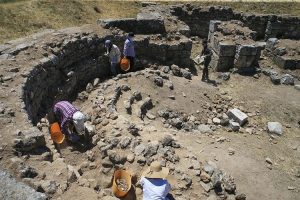
- Donalar Kale Kapı Rock Tomb or Donalar Rock Tomb
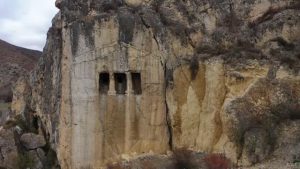
- Theater emerges as works continue in ancient city of Perinthos
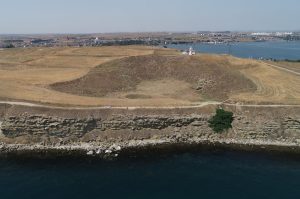
- Urartian King Argishti’s bronze shield revealed the name of an unknown country
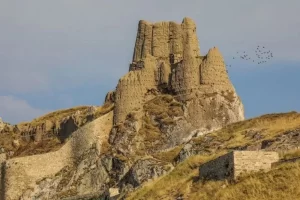
- The religious center of Lycia, the ancient city of Letoon
- Who were the Luwians?
- A new study brings a fresh perspective on the Anatolian origin of the Indo-European languages

- Perhaps the oldest thermal treatment center in the world, which has been in continuous use for 2000 years -Basilica Therma Roman Bath or King’s Daughter-
- The largest synagogue of the ancient world, located in the ancient city of Sardis, is being restored
Leave a Reply