
Ancient Roman Bath in Kütahya Faces Collapse as Neglect Deepens
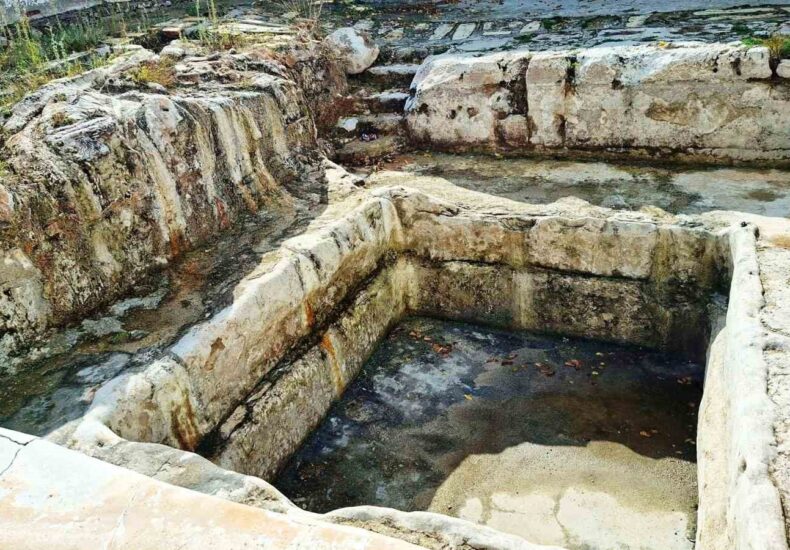
A rock-cut Roman bath in western Türkiye, once believed to have healing properties, is now on the brink of disappearance after years of neglect in the village of Sefaköy, Kütahya.
Hidden in the rural landscape of Hisarcık district, the structure—carved directly into natural rock during the Roman period—has long been known among locals for its thermal waters. Today, however, the site stands dry, abandoned, and steadily deteriorating.
A Healing Site with Deep Local Memory
According to regional accounts, the bath was once actively used during antiquity and later remembered for its supposed curative powers. Local tradition even associates the site with Count Dracula, claiming the historical figure sought relief here from leprosy—an anecdote that, while unverified, reflects the enduring cultural memory attached to the site.
More concretely, the thermal waters were believed to help alleviate a range of conditions, including skin diseases, rheumatism, neuralgia, and digestive and kidney disorders. Such associations are consistent with the broader use of Roman thermal baths, which played both medical and social roles across Anatolia.
📣 Our WhatsApp channel is now LIVE! Stay up-to-date with the latest news and updates, just click here to follow us on WhatsApp and never miss a thing!!
From Functional Structure to Abandoned Ruin
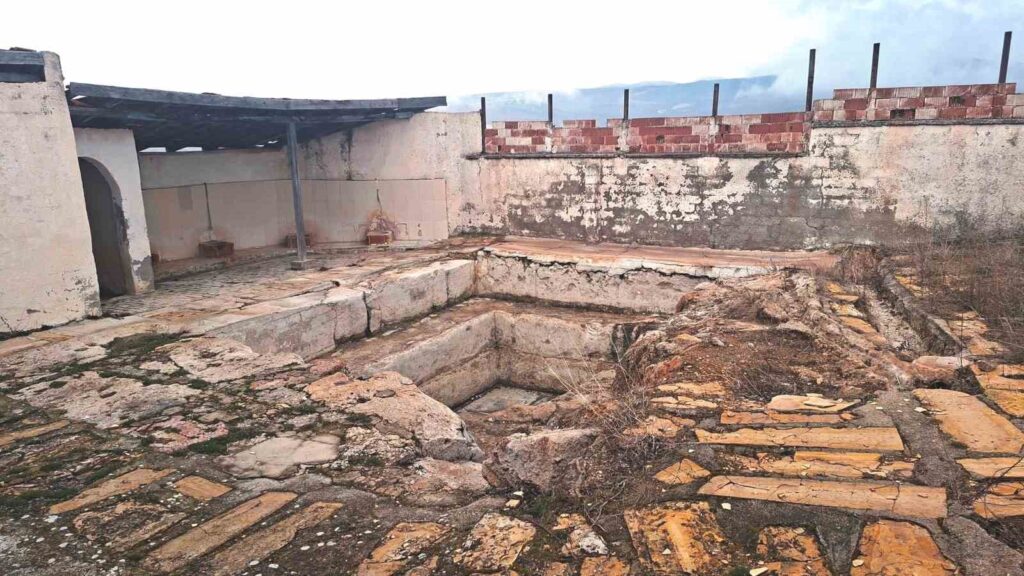
What remains today is a roofless, heavily degraded structure, its architectural integrity visibly compromised. The once-flowing hot water—central to the bath’s function—has reportedly been cut off, leaving the interior completely dry.
Over time, exposure to the elements has accelerated the decay. Stone surfaces have eroded, and structural details that once defined the bath are gradually disappearing. The absence of maintenance has turned what was once a functional and culturally significant space into a vulnerable ruin.
Local Calls for Restoration and Protection
Residents of Sefaköy are increasingly concerned about the fate of the site. They are urging authorities to intervene before irreversible damage occurs.
“We want this neglected condition to be seen,” locals say, calling for a restoration project that respects the original structure. They emphasize that the bath should not only be preserved but also reintegrated into the region’s cultural and tourism landscape.
Without timely action, they warn, the site risks being lost entirely—another example of Anatolia’s layered heritage fading quietly due to inaction.
Why This Site Matters
Rock-cut Roman baths are relatively rare compared to built thermal complexes, making the Sefaköy example particularly valuable. Beyond its architectural character, the site reflects the long-standing tradition of healing waters in Anatolia, where natural resources and cultural practices have intertwined for millennia.
Its current condition highlights a broader issue: the fragile state of lesser-known archaeological sites that remain outside major conservation programs.
- A 1700-year-old statue of Pan unearthed during the excavations at Polyeuktos in İstanbul
- The granary was found in the ancient city of Sebaste, founded by the first Roman emperor Augustus
- Donalar Kale Kapı Rock Tomb or Donalar Rock Tomb
- Theater emerges as works continue in ancient city of Perinthos
- Urartian King Argishti’s bronze shield revealed the name of an unknown country
- The religious center of Lycia, the ancient city of Letoon
- Who were the Luwians?
- A new study brings a fresh perspective on the Anatolian origin of the Indo-European languages

- Perhaps the oldest thermal treatment center in the world, which has been in continuous use for 2000 years -Basilica Therma Roman Bath or King’s Daughter-
- The largest synagogue of the ancient world, located in the ancient city of Sardis, is being restored
Leave a Reply