
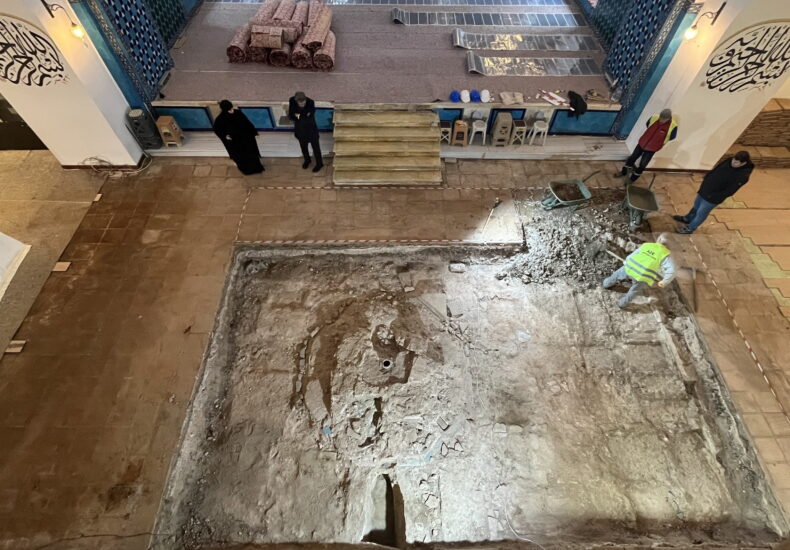
600-Year-Old Pool Discovered Inside Ottoman Mosque in Bursa During Restoration
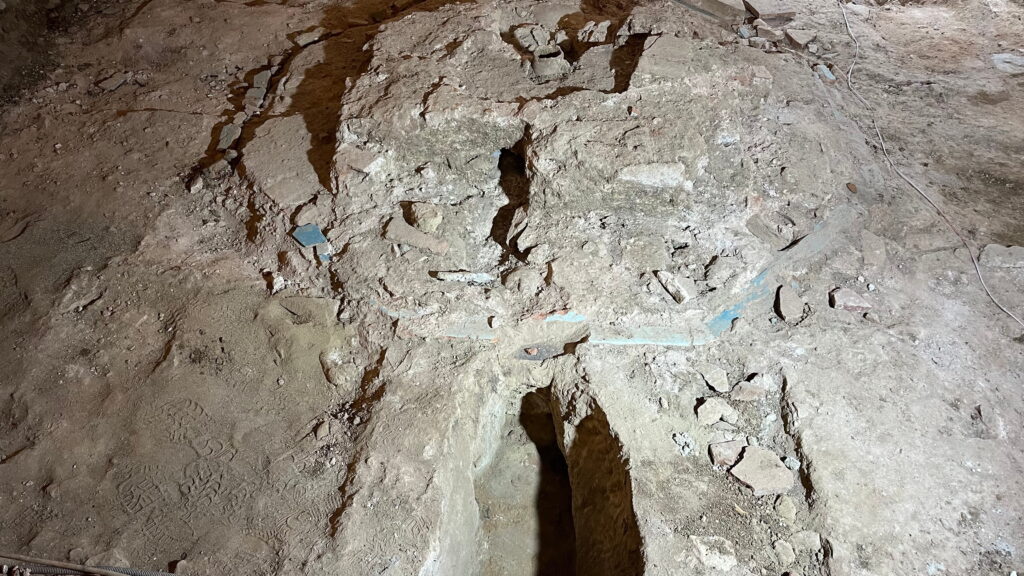
A long-hidden architectural feature has come to light inside Bursa’s historic Muradiye Mosque, offering a rare glimpse into early Ottoman design practices. During ongoing restoration work, experts uncovered what is believed to be a nearly 600-year-old pool embedded within the mosque’s interior.
Rediscovered Water Feature Sheds Light on Ottoman Design
The Muradiye Mosque, commissioned by Sultan Murad II in the 15th century, has long been recognized as one of the key monuments of early Ottoman architecture. Yet the newly revealed pool suggests that the structure once incorporated a more complex interior arrangement than previously understood.
This finding gains additional importance when compared with other major Ottoman mosques. Similar interior water features are known from the Bursa Grand Mosque, the Green Mosque, and the Hüdavendigar Mosque. In those buildings, such elements remain visible and functional today, contributing to both the acoustic quality and atmospheric balance of the prayer space.
In contrast, the Muradiye example appears to have been concealed over time. Its reappearance now raises new questions about how and why certain architectural features were abandoned or altered in later periods.
📣 Our WhatsApp channel is now LIVE! Stay up-to-date with the latest news and updates, just click here to follow us on WhatsApp and never miss a thing!!
Underground Channel System Still Under Investigation
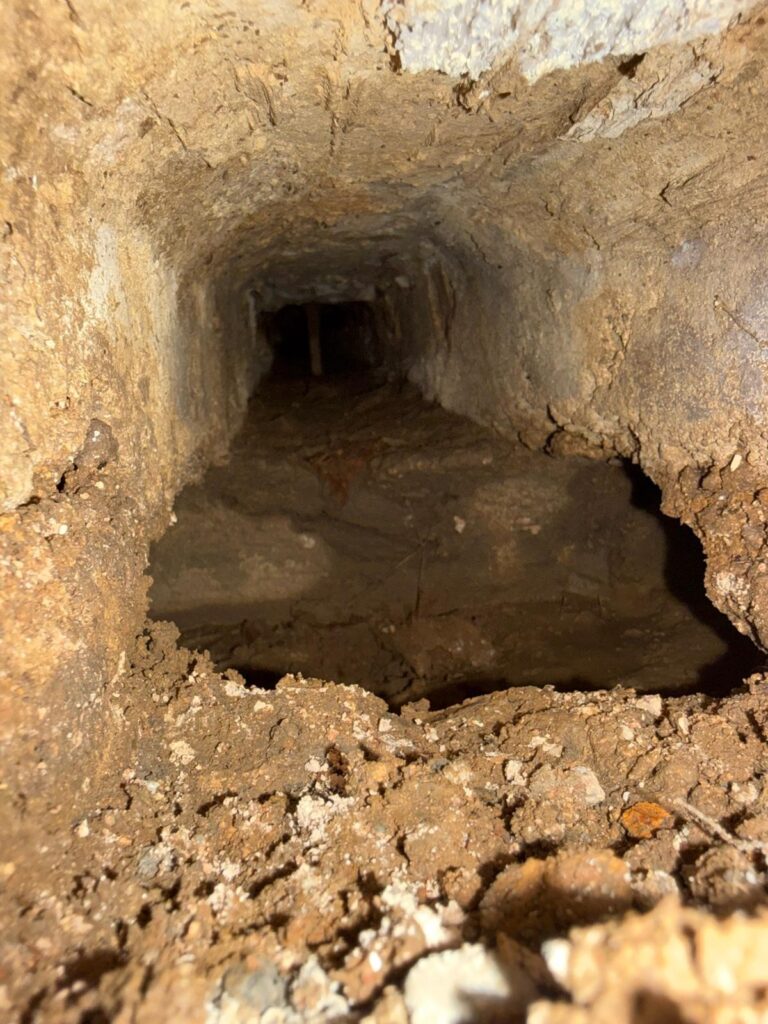
The restoration work also brought to light an underground channel system beneath the mosque floor. Its function has not yet been fully determined, but researchers are focusing on two main possibilities.
One interpretation suggests that the system may have been designed to regulate airflow within the structure, pointing to an early form of passive ventilation. Another possibility is that it served as a drainage network, potentially linked to the pool or broader water management strategies within the complex.
Detailed analysis is expected to clarify this aspect in the coming phases of the restoration.
A Broader Perspective on Ottoman Mosque Architecture
The discovery does more than reveal a single hidden feature. It contributes to a growing body of evidence indicating that water elements played a more integral role in Ottoman mosque interiors than often assumed.
Rather than being purely decorative, these features likely supported environmental control, sensory experience, and symbolic meaning within sacred spaces. The Muradiye Mosque now joins a small but significant group of structures that reflect this architectural approach.
As the restoration progresses, further findings may refine our understanding of how early Ottoman builders integrated water, space, and climate into a unified design philosophy.
- A 1700-year-old statue of Pan unearthed during the excavations at Polyeuktos in İstanbul
- The granary was found in the ancient city of Sebaste, founded by the first Roman emperor Augustus
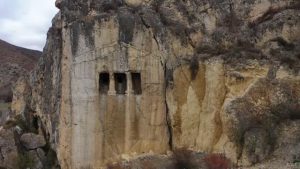
- Donalar Kale Kapı Rock Tomb or Donalar Rock Tomb
- Theater emerges as works continue in ancient city of Perinthos
- Urartian King Argishti’s bronze shield revealed the name of an unknown country
- The religious center of Lycia, the ancient city of Letoon
- Who were the Luwians?
- A new study brings a fresh perspective on the Anatolian origin of the Indo-European languages

- Perhaps the oldest thermal treatment center in the world, which has been in continuous use for 2000 years -Basilica Therma Roman Bath or King’s Daughter-
- The largest synagogue of the ancient world, located in the ancient city of Sardis, is being restored
Leave a Reply