
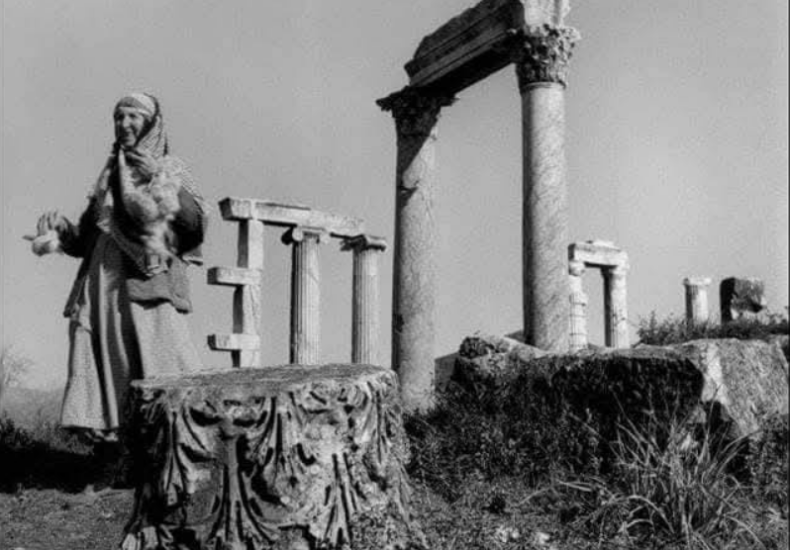
A Lost City Revealed by Chance: Ara Güler’s Photographs Brought Aphrodisias to the World
In 1958, the ancient city of Aphrodisias had yet to enter global awareness when Ara Güler took a wrong turn on a rural road in southwestern Türkiye.
He was on assignment, covering a dam project in Aydın province. But an unexpected detour led him to the village of Geyre—and to something far older than anything he had set out to document.
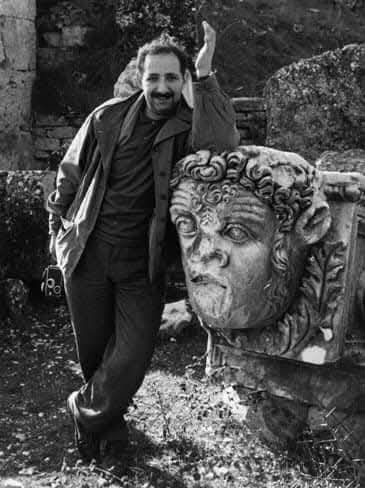
What he encountered there was not a formal archaeological discovery, but something just as important: the moment a forgotten ancient city began to enter global awareness.
That city was Aphrodisias.
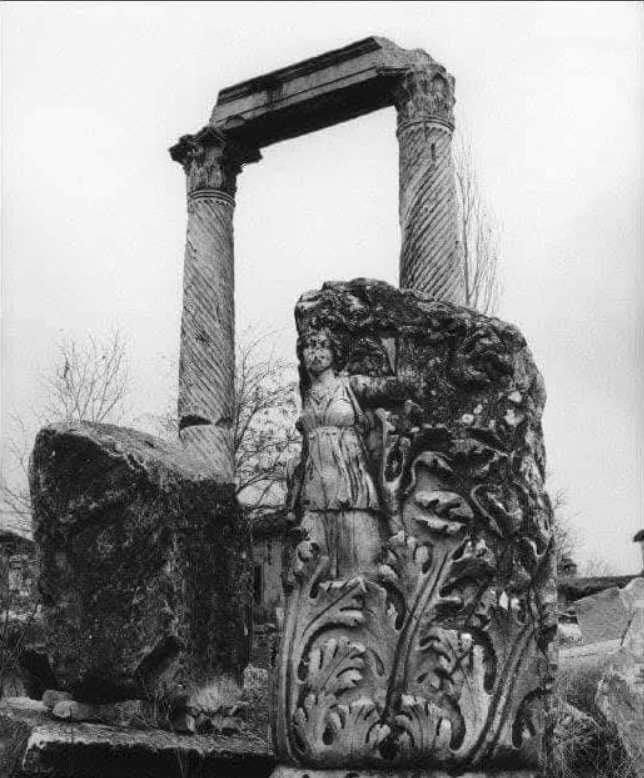
A Landscape That Didn’t Belong to the Present
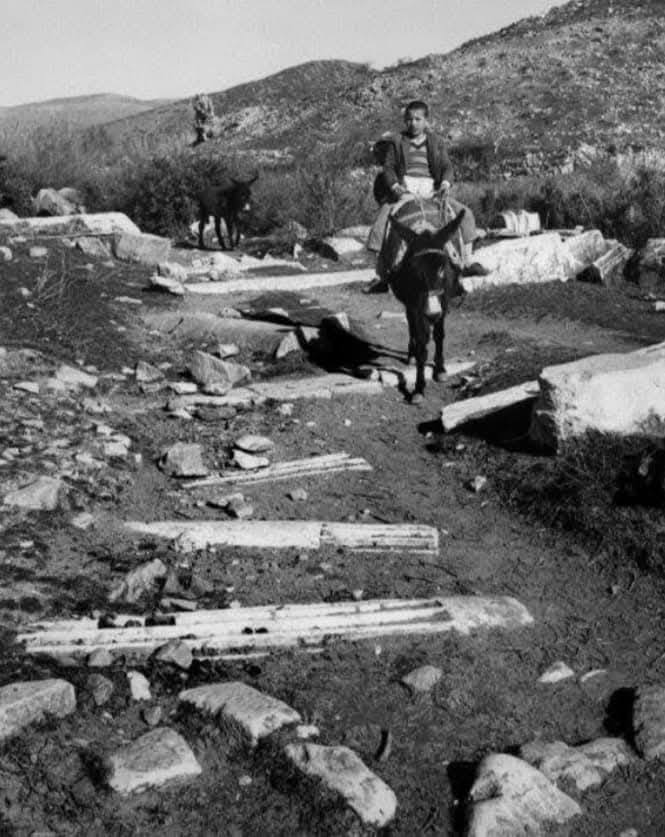
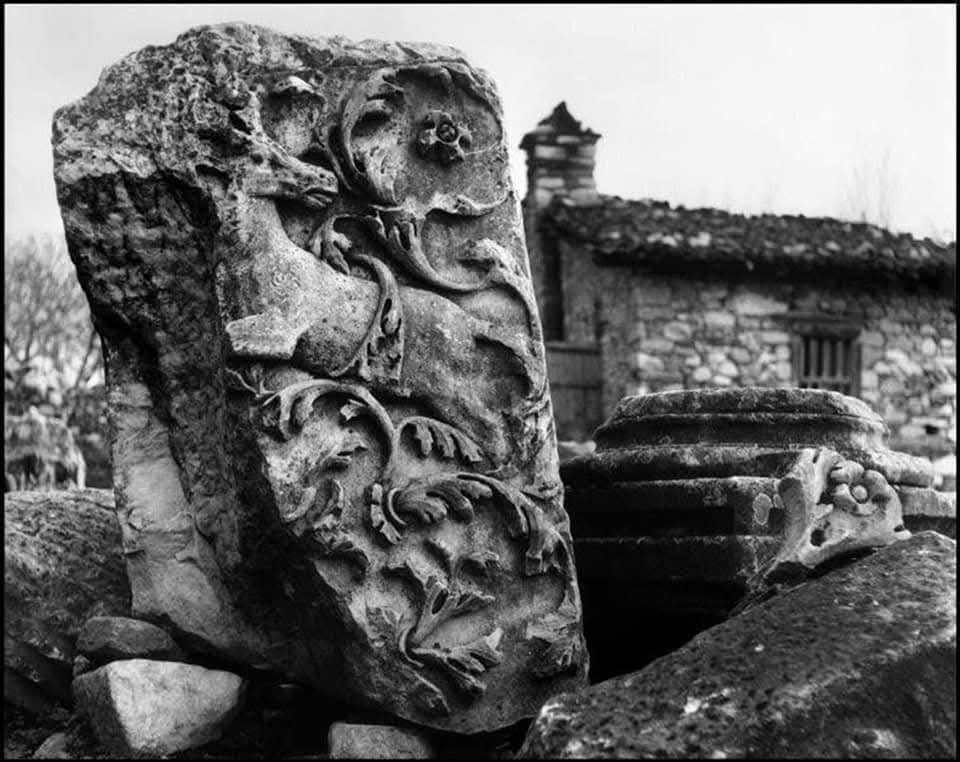
What immediately caught Güler’s attention was how the past seemed to sit in plain view. Marble blocks, carved fragments, and architectural pieces were part of everyday life in the village.
📣 Our WhatsApp channel is now LIVE! Stay up-to-date with the latest news and updates, just click here to follow us on WhatsApp and never miss a thing!!
In one now well-known scene, villagers were playing cards on what turned out to be a Roman column capital.
It wasn’t just unusual—it felt out of place, as if parts of another world had been left behind without explanation.
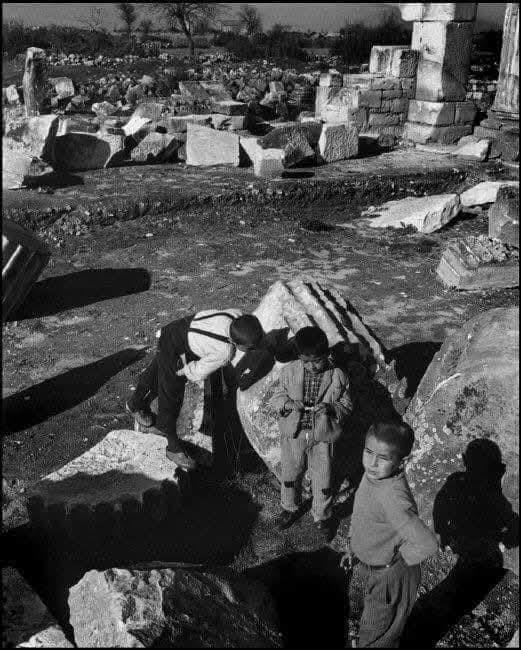
Güler did what he always did. He started photographing.
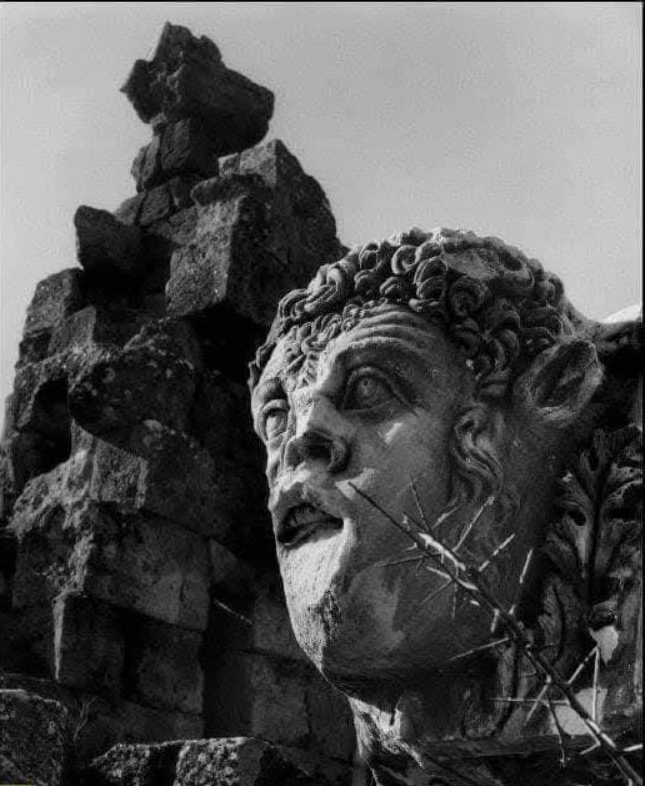
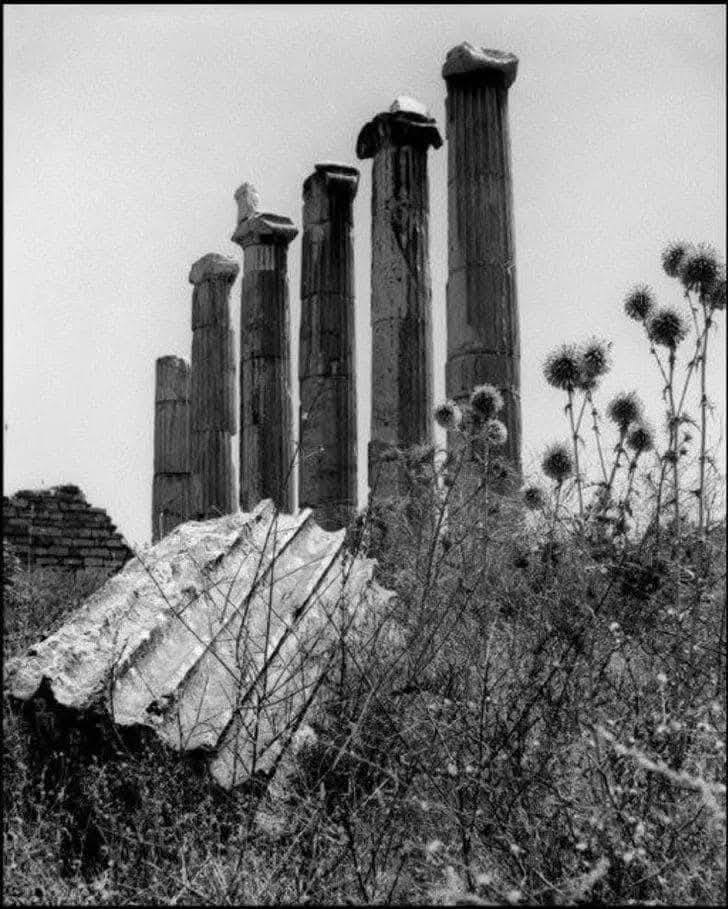
Columns, sarcophagi, scattered sculptures, half-buried structures—he documented everything he could see. The site was not unknown locally, but it had not yet drawn sustained international attention. His photographs changed that.
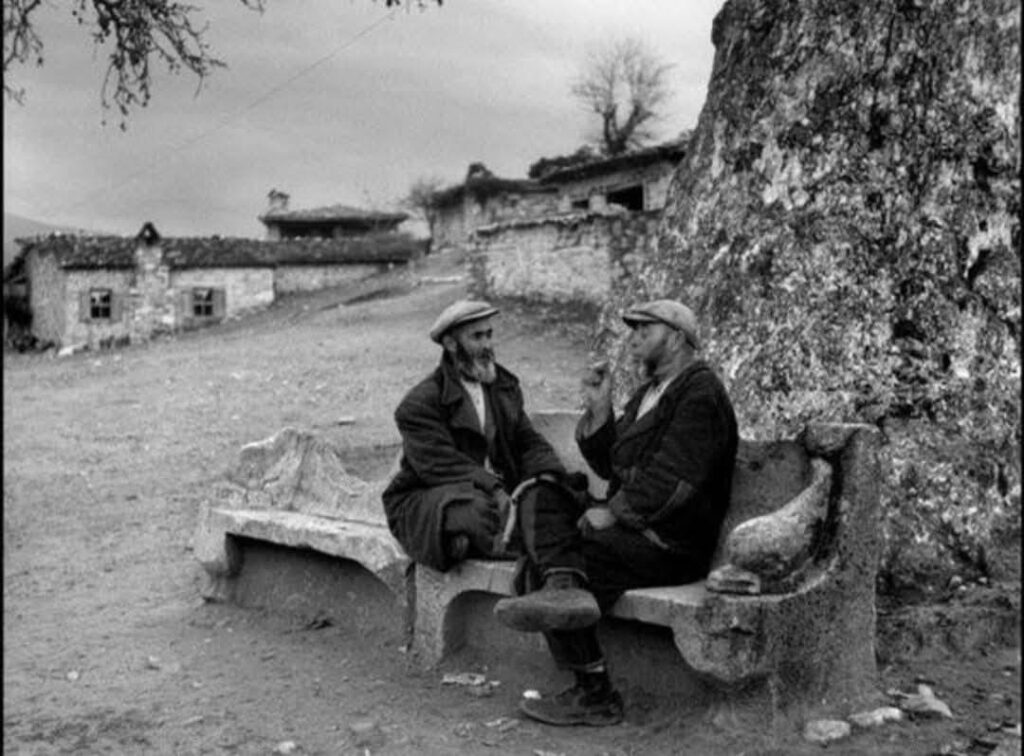
Published abroad, they reached archaeologists including Kenan Erim, who would soon travel to the site. Systematic excavations began in 1961, and inscriptions eventually confirmed the identity of the city: Aphrodisias.
A City with a Much Older Past
What emerged from the excavations went far beyond expectations. Aphrodisias was not only a Roman city—it had a much deeper past.
Findings from the acropolis showed that the area had been inhabited as early as the Chalcolithic period, around 4000 BCE.
Over centuries, the city carried different names, reflecting shifting cultures and identities. It was associated with early Anatolian traditions, later connected to Caria, and eventually became known as Aphrodisias with the rise of the sanctuary of Aphrodite. In the Christian period, it would be renamed Stavrapolis.
Art, Marble, and an Imperial Connection
By the Roman era, Aphrodisias had developed into a major center of religion, art, and production.
Dedicated to Aphrodite, the city was an important cult site. At the same time, it gained a strong reputation for architecture and sculpture—one that extended far beyond the region.
Ancient sources indicate that the Roman emperor Augustus held the city in particular favor. Aphrodisias was granted special privileges, including tax exemptions and a level of political autonomy within the imperial system.
This support helped accelerate its development, but the city already had a crucial advantage: access to high-quality marble.
Combined with this resource, Aphrodisias became home to a recognized sculptural tradition. Influences from centers such as Pergamon contributed to the formation of a local school, and works produced here were exported across the Roman world.
One figure closely tied to this relationship was Gaius Julius Zoilos, a native of Aphrodisias who had been taken to Rome as a slave. After gaining his freedom and earning the trust of Augustus, he returned to his hometown as a Roman citizen with strong imperial connections. His role helped strengthen the city’s position during a critical period.
From Decline to Recognition
Like many ancient cities, Aphrodisias eventually declined. Earthquakes, economic shifts, and changing political structures led to its gradual abandonment.
Over time, the village of Geyre developed over the site. Ironically, this helped preserve much of what remained beneath the surface.
Today, Aphrodisias is recognized as a UNESCO World Heritage Site, known for both its preservation and its artistic legacy.
The Moment That Made It Visible
Ara Güler was not an archaeologist. He did not excavate the city or identify it through inscriptions.
But he noticed something others might have passed by.
At a time when Aphrodisias remained outside global awareness, his photographs made it visible—first to editors, then to scholars, and eventually to the world.
Not every discovery begins with excavation.
Sometimes, it starts with noticing.
- A 1700-year-old statue of Pan unearthed during the excavations at Polyeuktos in İstanbul
- The granary was found in the ancient city of Sebaste, founded by the first Roman emperor Augustus
- Donalar Kale Kapı Rock Tomb or Donalar Rock Tomb
- Theater emerges as works continue in ancient city of Perinthos
- Urartian King Argishti’s bronze shield revealed the name of an unknown country
- The religious center of Lycia, the ancient city of Letoon
- Who were the Luwians?
- A new study brings a fresh perspective on the Anatolian origin of the Indo-European languages

- Perhaps the oldest thermal treatment center in the world, which has been in continuous use for 2000 years -Basilica Therma Roman Bath or King’s Daughter-
- The largest synagogue of the ancient world, located in the ancient city of Sardis, is being restored
Leave a Reply