
A 1,000-Year-Old Fortress Overlooking the Melendiz Plain Still Stands in Central Anatolia
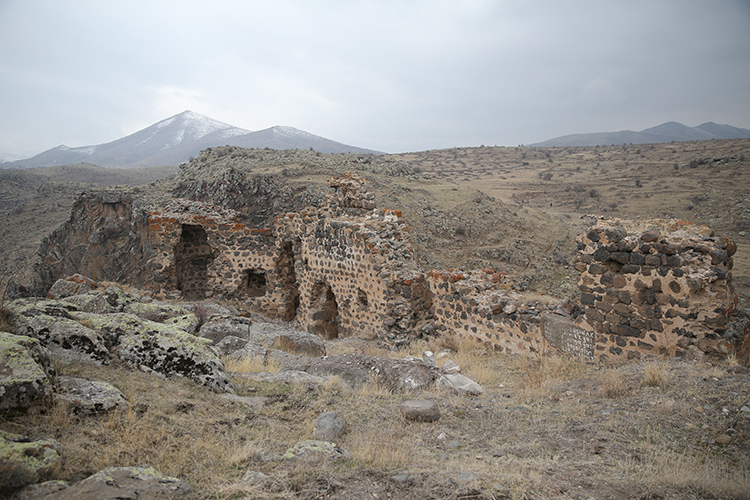
Rising from a sheer rock formation above the Melendiz Plain, the medieval Murtaza Castle continues to dominate the landscape of central Anatolia nearly a millennium after its construction. Located near the village of Murtaza in the Çiftlik district of Niğde, the fortress offers rare insight into how geography, military strategy, and natural topography shaped defensive architecture in the Middle Ages.
Archaeological and historical assessments indicate that the castle was built during the Byzantine period and remained in use for centuries. Perched at an elevation of approximately 1,830 meters, the site controlled a key passage opening onto the Melendiz Plain—a route of long-standing strategic value.
A Fortress Shaped by the Rock Itself
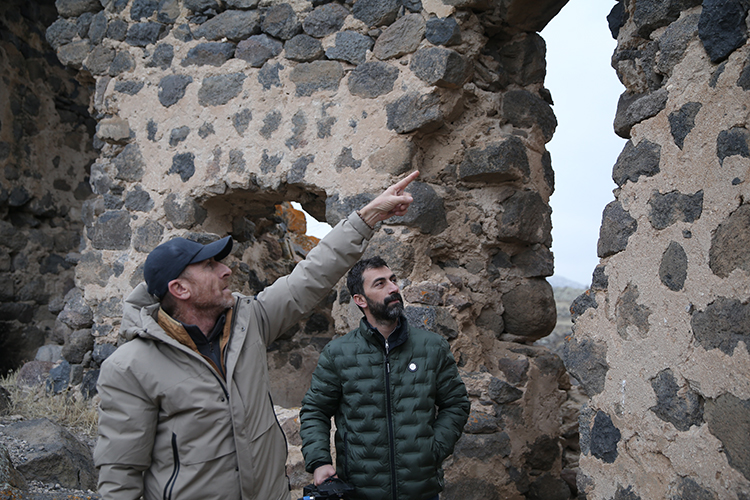
According to archaeologist Mustafa Eryaman, the structure is also known in historical references as Andulus Castle. Its location, he explains, was carefully chosen to maximize both natural and built defenses.
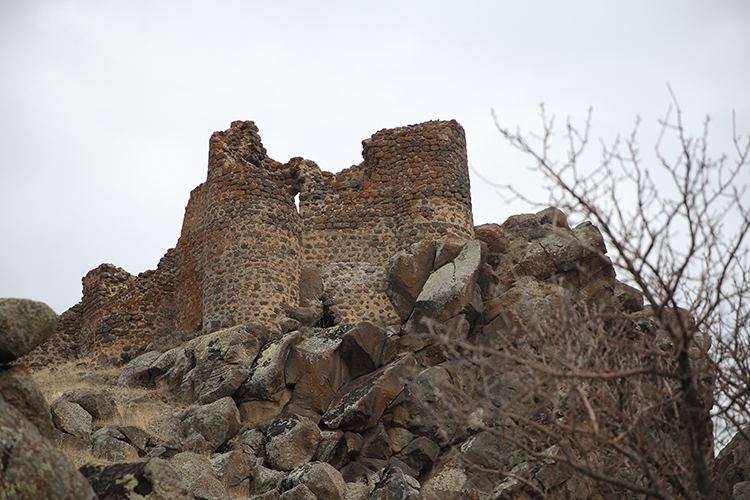
“The castle stands on a naturally elevated rock mass nearly 60 meters high,” Eryaman says. “In the Middle Ages, formations like this were considered natural fortresses The builders enhanced what nature already provided.”
To transform the rock into a functional stronghold, a defensive wall supported by six towers was constructed along the more accessible sides. These towers form what Eryaman describes as an inner citadel, designed to secure full control over the surrounding passage.
📣 Our WhatsApp channel is now LIVE! Stay up-to-date with the latest news and updates, just click here to follow us on WhatsApp and never miss a thing!!
Walls, Towers, and an Ancestral Gateway
The castle’s fortification system is best preserved on its western, southern, and northern sides. Here, massive curtain walls—reaching up to 20 meters in height when viewed from outside—are reinforced by six towers placed at strategic intervals.
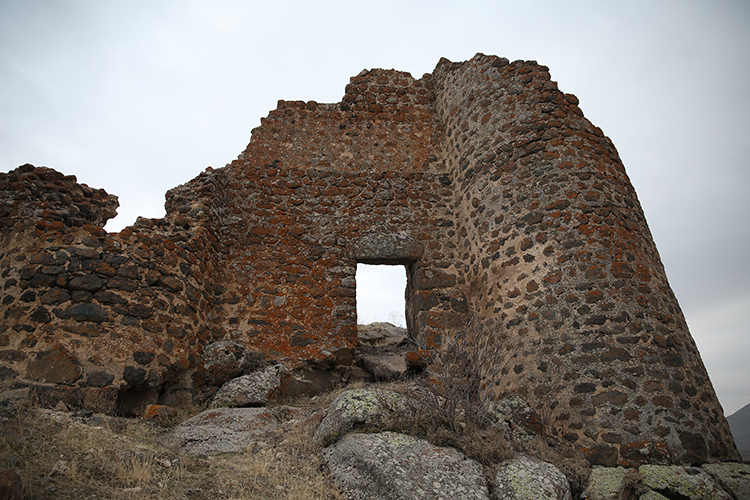
One of the most striking surviving features is the monumental entrance gate on the southwestern side of the fortress.
“This high, imposing gateway has largely survived to the present day,” Eryaman notes. “Together with the towers, it formed the backbone of the castle’s defensive system.”
While the site originated in the Byzantine era, its strategic value did not fade with time. Historical evidence suggests that the valley remained under military oversight during the Seljuk period, when control of water resources and agricultural lands in the Melendiz Mountains became a priority.
Centuries of Continuous Use
Murtaza Castle was not a short-lived military installation. On the contrary, its long operational life sets it apart from many similar structures.
“We are dealing with a true medieval fortress,” Eryaman explains. “It was actively used by successive states—and even empires. Available evidence suggests activity continued until the late 19th or early 20th century.”
This implies that the site remained relevant for roughly 700 to 800 years, adapting to changing political and military circumstances while retaining its core defensive role.
The castle was also part of a broader network. Comparable fortifications, such as Keçi Castle near Altunhisar, guarded other mountain passes, forming a chain of observation points and garrison sites across the region.
Medieval Engineering and Defensive Detail
Inside the fortress, traces of collapsed interior units are visible, though the main perimeter walls remain notably intact. The masonry reveals a carefully executed mortar technique binding rubble stone—still remarkably solid after centuries of exposure.
“We can clearly see water cisterns within the castle,” Eryaman says. “The mortar used between the stones has retained its strength almost as if it were applied yesterday.”
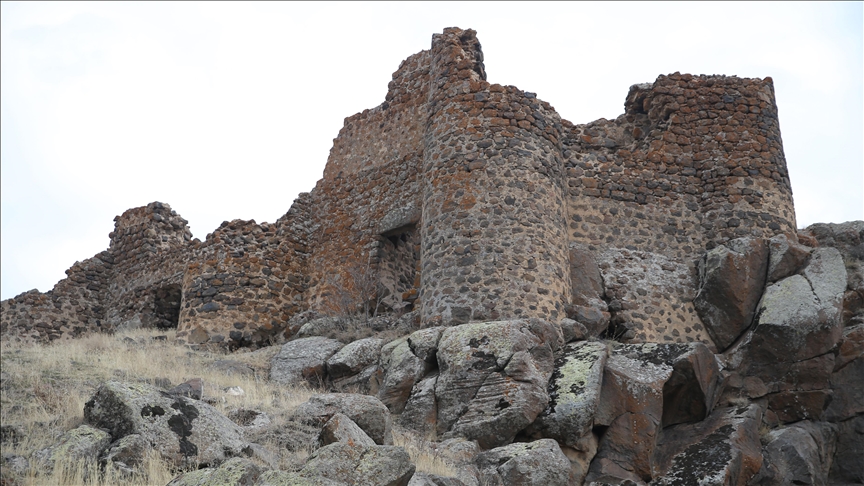
The eastern face of the fortress, by contrast, required no built defenses. Its steep, nearly vertical slope made additional walls unnecessary—an example of how medieval builders balanced economy with strategic efficiency.
Small arrow slits, or embrasures, are still visible along the walls. These openings served both as observation points and as firing positions during an attack.
A Candidate for Cultural Tourism
Given its state of preservation, Murtaza Castle is considered a strong candidate for future archaeological excavation and restoration.
“This is a medieval fortress that has reached us largely intact,” Eryaman emphasizes. “With scientific excavation and proper restoration, it could be opened to cultural tourism and become a key heritage site for the region.”
Today, Murtaza Castle stands not only as a monument of stone, but as a layered record of Anatolia’s military, political, and architectural history—quietly enduring on its rocky summit above the plain it once guarded.
Cover Image: Ahmet Demircan/AA
- A 1700-year-old statue of Pan unearthed during the excavations at Polyeuktos in İstanbul
- The granary was found in the ancient city of Sebaste, founded by the first Roman emperor Augustus
- Donalar Kale Kapı Rock Tomb or Donalar Rock Tomb
- Theater emerges as works continue in ancient city of Perinthos
- Urartian King Argishti’s bronze shield revealed the name of an unknown country
- The religious center of Lycia, the ancient city of Letoon
- Who were the Luwians?

- A new study brings a fresh perspective on the Anatolian origin of the Indo-European languages
- Perhaps the oldest thermal treatment center in the world, which has been in continuous use for 2000 years -Basilica Therma Roman Bath or King’s Daughter-
- The largest synagogue of the ancient world, located in the ancient city of Sardis, is being restored
Leave a Reply