A 5,000-Year-Old Skull Reveals One of the Earliest Medical Interventions in Anatolia
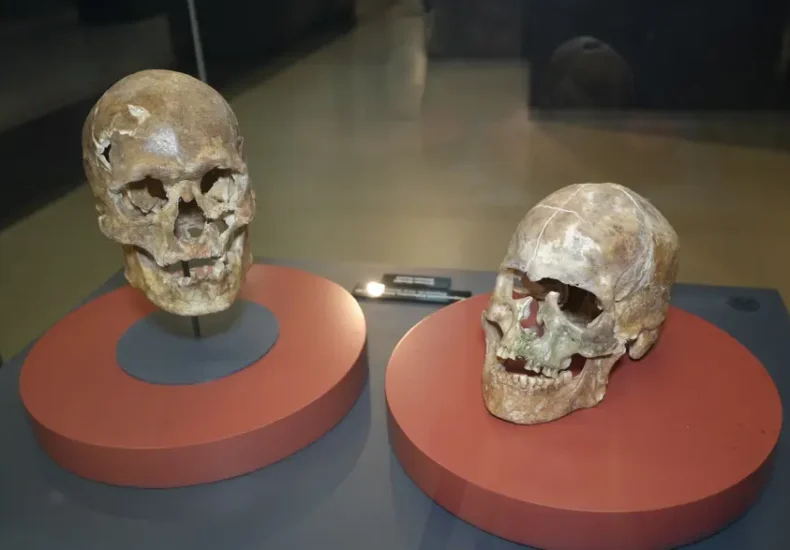
One of the most striking testimonies to early medical knowledge in Anatolia is now on display at the Samsun Museum. Dating back nearly 5,000 years, a human skull bearing clear evidence of surgical intervention is considered among the earliest known examples of cranial surgery in human history.
What makes this discovery exceptional is not only the operation itself, but scientific indications suggesting that the individual survived the procedure for a period of time. This finding challenges long-held assumptions about the limits of prehistoric medical knowledge and points to a surprisingly advanced understanding of the human body.
From İkiztepe to the Museum Galleries
According to regional cultural authorities, the skull was unearthed during excavations at İkiztepe, one of the most important prehistoric settlements in the central Black Sea region. The site has yielded extensive burial contexts, offering rare insight into early social structures and ritual practices.
Alongside the skull, archaeologists recovered spearheads and personal belongings placed in graves as funerary offerings. These objects suggest that the deceased were buried with items reflecting both identity and status, underscoring the symbolic dimension of death in prehistoric Anatolia.
📣 Our WhatsApp channel is now LIVE! Stay up-to-date with the latest news and updates, just click here to follow us on WhatsApp and never miss a thing!!
A Window into Early Anatolian Medicine
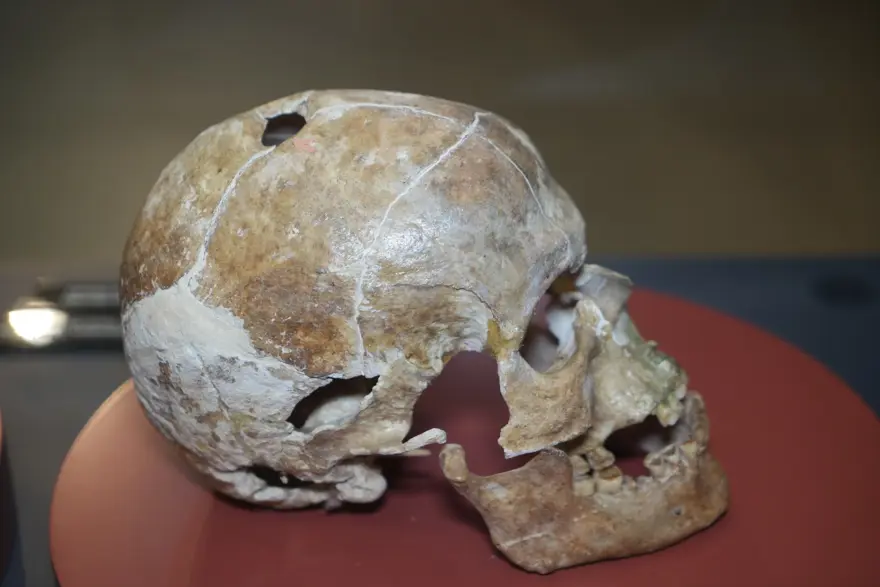
The surgically modified skull is widely regarded as one of the earliest indicators of intentional medical intervention in the region. Specialists emphasize that such procedures would have required not only anatomical awareness, but also practical knowledge of pain management, infection control, and post-operative care.
Taken together, these elements position Anatolia as an early center for experimental healing practices, long before the emergence of formal medical traditions in the ancient world.
The Amisos Treasures and Mastery of Gold
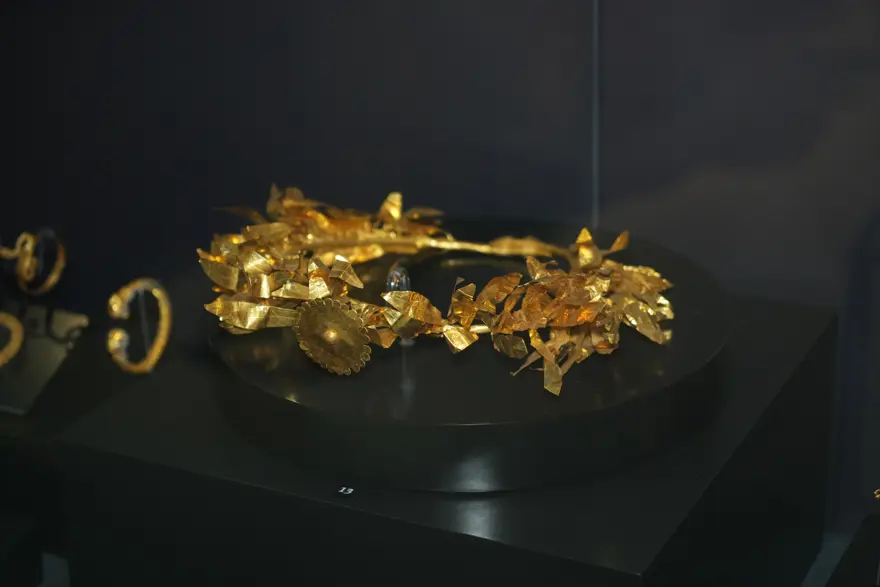
Among the museum’s most visited collections are the Amisos Treasures, dating to approximately the 7th–5th centuries BC. These finely crafted gold objects demonstrate an advanced level of metallurgical skill and artistic sophistication.
The collection offers tangible evidence of how refined gold craftsmanship had already become in Anatolia during the early Classical and Hellenistic periods, drawing consistent attention from both researchers and the general public.
A Rare Mosaic of the Four Seasons
Another highlight of the museum is the Amisos Mosaic, a rare composition created from fine grains of sand. The mosaic depicts the personification of the four seasons, rendered with remarkable precision and symbolic detail.
Considered one of the few surviving examples of its kind in Türkiye, the mosaic stands as a testament to the region’s visual storytelling traditions and artistic innovation.
Rediscovering Anatolia’s Deep Past
Visitors to the Samsun Museum frequently express surprise at the depth and diversity of the region’s archaeological heritage. From prehistoric surgery to elite Hellenistic art, the collection presents a continuous narrative spanning millennia.
Together, these discoveries position Samsun not merely as a regional museum destination, but as a key reference point for understanding Anatolia’s role in the early history of medicine, ritual, and craftsmanship.
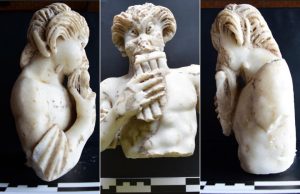
- A 1700-year-old statue of Pan unearthed during the excavations at Polyeuktos in İstanbul
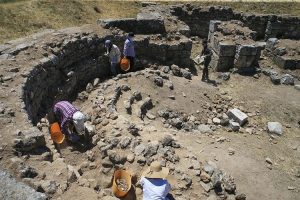
- The granary was found in the ancient city of Sebaste, founded by the first Roman emperor Augustus
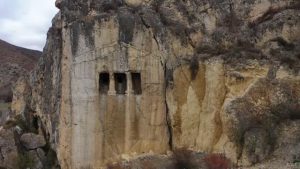
- Donalar Kale Kapı Rock Tomb or Donalar Rock Tomb
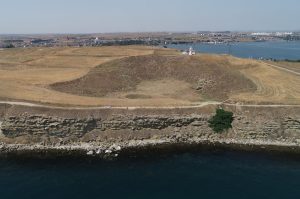
- Theater emerges as works continue in ancient city of Perinthos
- Urartian King Argishti’s bronze shield revealed the name of an unknown country
- The religious center of Lycia, the ancient city of Letoon
- Who were the Luwians?
- A new study brings a fresh perspective on the Anatolian origin of the Indo-European languages

- Perhaps the oldest thermal treatment center in the world, which has been in continuous use for 2000 years -Basilica Therma Roman Bath or King’s Daughter-
- The largest synagogue of the ancient world, located in the ancient city of Sardis, is being restored
Leave a Reply