
A Kingdom in the Shadow of Assyria: The Topada Inscription and the Politics of War in 8th-Century Anatolia
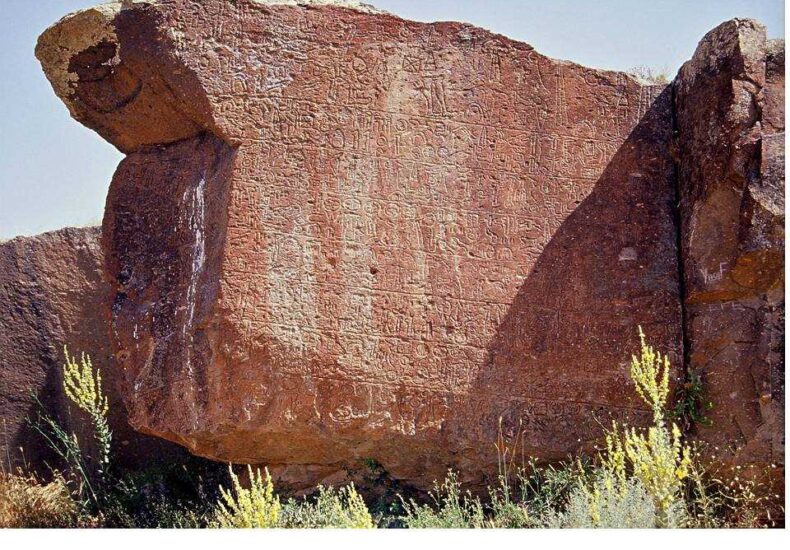
In central Anatolia, near modern Nevşehir, the Topada Inscription preserves one of the most important royal inscriptions of the 8th century BCE. Commissioned by Wasusarma, king of Tabal, and carved in Hieroglyphic Luwian, the monument documents a regional war involving eight rival kings and reflects the shifting balance of power under the expanding shadow of Assyria. Its historical connection to the reign of Tiglath-Pileser III anchors it firmly within the geopolitical transformations of the Late Iron Age.
The Monument in the Landscape
The inscription is carved across the smoothed southern and western faces of a natural rock outcrop approximately three kilometers northeast of Ağıllı village in the Acıgöl district. The text consists of eight lines. A separate line—likely identifying the scribe—once appeared beside the main inscription but was destroyed before 1986.
The placement is deliberate. By carving the text into a prominent rock surface, Wasusarma embedded his political message into the physical landscape.
Eight Kings Against One
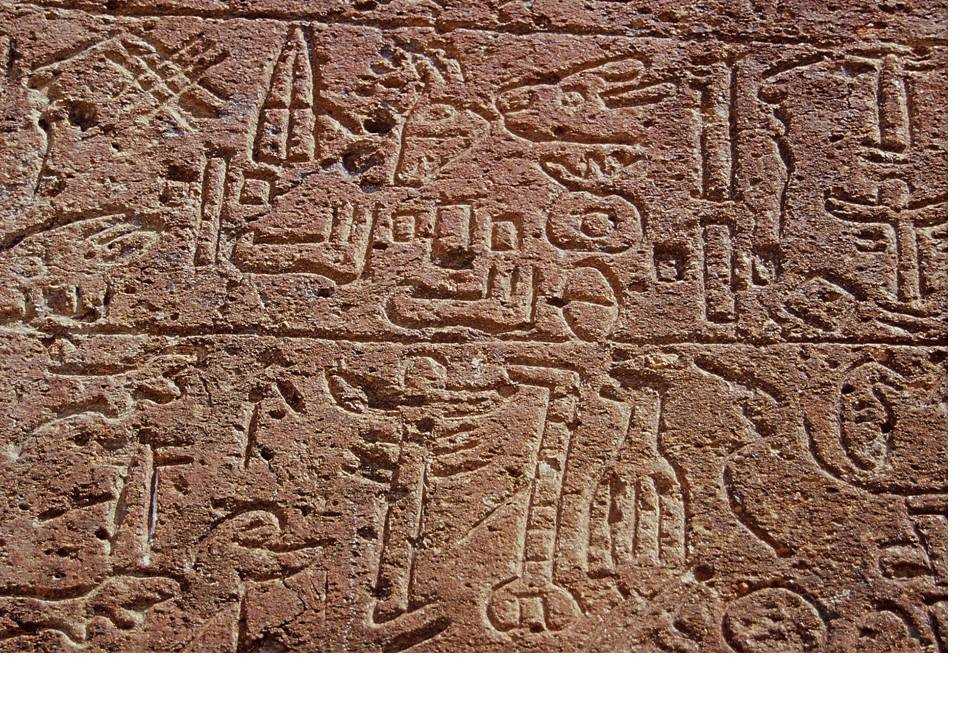
Wasusarma introduces himself as “Great King, Hero, son of Tuwati,” establishing dynastic continuity from the outset. The text recounts a confrontation centered on Parzuta, where eight kings opposed him while three rulers acted as allies.
📣 Our WhatsApp channel is now LIVE! Stay up-to-date with the latest news and updates, just click here to follow us on WhatsApp and never miss a thing!!
This configuration reveals a regional system of competing coalitions. Warfare here was not random violence but structured political rivalry. Alliances, counter-alliances, and fortified positions shaped the conflict, suggesting prolonged campaigning rather than symbolic skirmish.
War as Political Strategy
The inscription repeatedly emphasizes elite cavalry units, defensive walls, and the destruction of enemy settlements. Such details underscore logistical capacity and organized command.
Yet the narrative is carefully constructed. Victory is framed not merely as military superiority but as divinely sanctioned success. Tarhunzas and other deities are described as leading the king into battle. Military achievement thus becomes proof of legitimate rule.
Writing in the Shadow of Empire
Assyrian sources identify Wasusarma as Wassurme and record his removal from power around 730 BCE during the reign of Tiglath-Pileser III. This synchronism places the Topada inscription in a period of intensifying Assyrian intervention in Anatolia.
Seen in this context, the monument reads as more than a celebration of victory. It is a strategic declaration of sovereignty. At a moment when imperial pressure threatened regional autonomy, Wasusarma carved his authority into stone.
Cover Image Credit: Turkish Cultural Portal, Republic of Türkiye Ministry of Culture and Tourism.
- A 1700-year-old statue of Pan unearthed during the excavations at Polyeuktos in İstanbul
- The granary was found in the ancient city of Sebaste, founded by the first Roman emperor Augustus
- Donalar Kale Kapı Rock Tomb or Donalar Rock Tomb
- Theater emerges as works continue in ancient city of Perinthos
- Urartian King Argishti’s bronze shield revealed the name of an unknown country
- The religious center of Lycia, the ancient city of Letoon
- Who were the Luwians?
- A new study brings a fresh perspective on the Anatolian origin of the Indo-European languages

- Perhaps the oldest thermal treatment center in the world, which has been in continuous use for 2000 years -Basilica Therma Roman Bath or King’s Daughter-
- The largest synagogue of the ancient world, located in the ancient city of Sardis, is being restored
Leave a Reply