
A Palace Beneath a Palace Discovered at Kültepe, Site of Anatolia’s Earliest Written Records
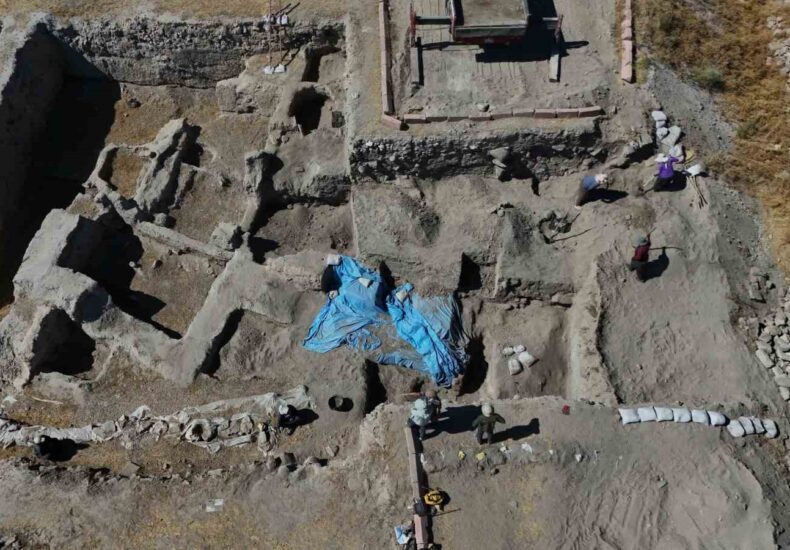
Excavations at Kültepe Kaniš-Karum, one of Anatolia’s most significant archaeological sites, have revealed an unexpected new layer of the past. Archaeologists have identified the remains of a monumental palace structure lying beneath a previously known palace, suggesting that centralized authority at Kültepe developed earlier—and on a larger scale—than previously understood.
The discovery comes from ongoing excavations near modern-day Kayseri, at a site famous for yielding Anatolia’s earliest written documents. While Kültepe is best known for its association with Assyrian merchant communities, the newly uncovered architecture points to a powerful local authority that predates those well-documented trade networks.
Kültepe and the birth of writing in Anatolia
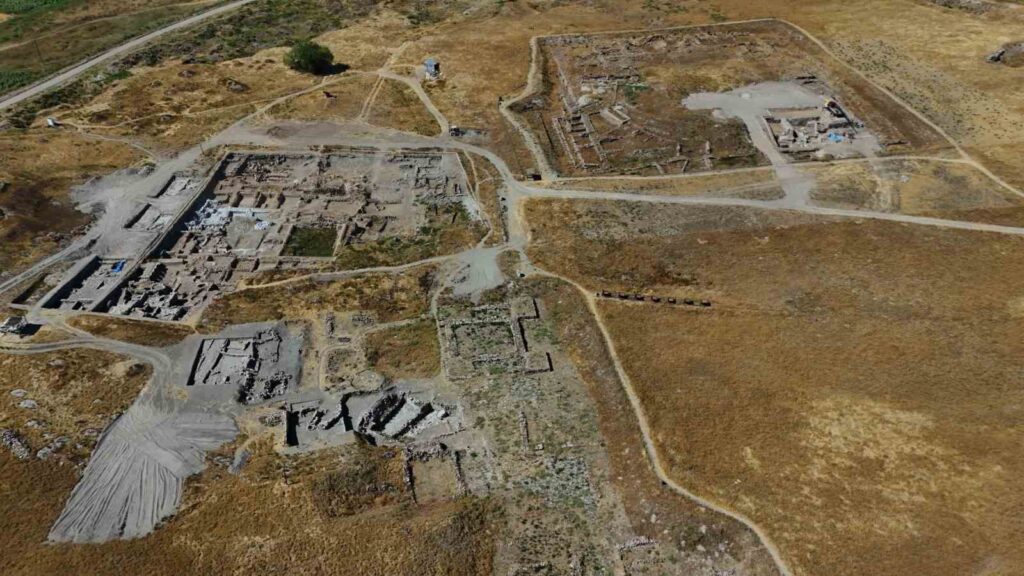
Known in antiquity as Kaniš, Kültepe occupies a unique position in Near Eastern archaeology. Thousands of cuneiform tablets discovered at the site record contracts, loans, correspondence, and commercial transactions dating to the early second millennium BC. These texts represent the oldest written records ever found in Anatolia, offering rare insight into early economic organization and legal practice.
For decades, scholarly focus has centered on this written archive and the Assyrian trading colony system it reflects. The latest discovery, however, shifts attention beneath that familiar horizon, toward a deeper and less understood phase of Kültepe’s development.
📣 Our WhatsApp channel is now LIVE! Stay up-to-date with the latest news and updates, just click here to follow us on WhatsApp and never miss a thing!!
A larger architectural complex beneath known palaces
According to Excavation Director Prof. Dr. Fikri Kulakoğlu, the newly exposed remains immediately stood out for their scale.
“The structures beneath the known palaces are even larger,” he explained. “We are dealing with buildings whose walls reach up to four meters in thickness.”
Until now, excavations at Kültepe had identified three major palace buildings associated with the Assyrian merchant period. Among them, the Waršama Palace—measuring approximately 100 by 110 meters—has long been regarded as one of the largest monumental structures of early Bronze Age Anatolia. The newly discovered remains lie below these levels, indicating an earlier architectural phase characterized by even greater monumentality.
Evidence of authority before Assyrian trade networks
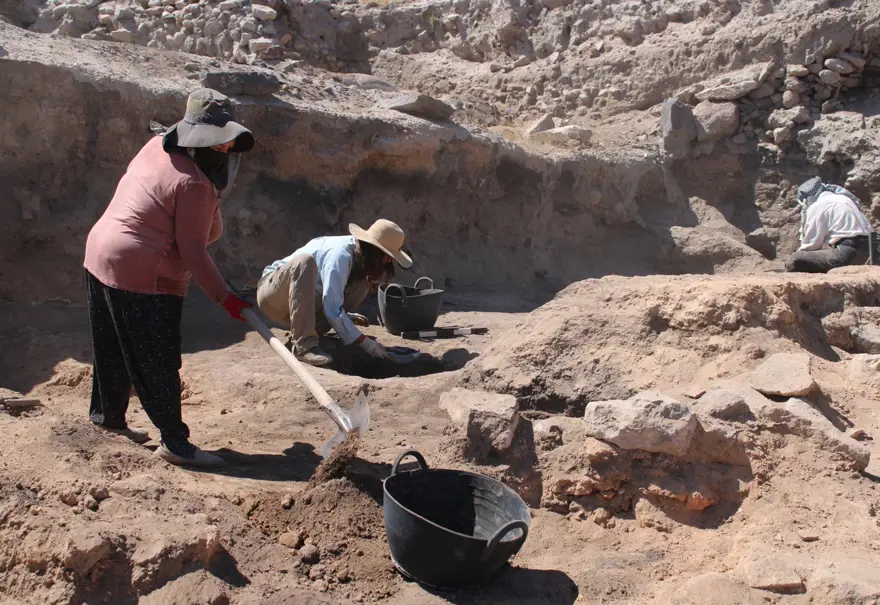
The implications of the discovery extend beyond architecture. Prof. Dr. Kulakoğlu notes that the deeper structures likely belong to a period around 500 years earlier than the arrival of Assyrian merchants.
“These were not ordinary buildings,” he said. “They were most probably monumental spaces with administrative or religious functions.”
Written sources already demonstrate that palaces at Kültepe were deeply involved in economic life. They functioned not only as political centers but also as regulated spaces where goods were stored, managed, and distributed. The newly identified lower complex suggests that this integration of power and economy had its roots in an even earlier institutional framework.
Only a corner uncovered, but major implications
Archaeologists emphasize that the discovery is still at an early stage. So far, excavations have revealed only a limited portion of the deeper structure.
“The excavation area is extensive, but at the moment we have uncovered only the corner of a very large building,” Kulakoğlu noted.
Future excavation seasons are expected to clarify the date, function, and full extent of the structure. Even at this preliminary stage, however, the palace beneath the palace is reshaping how researchers understand Kültepe—not only as the birthplace of Anatolia’s written tradition, but as a long-standing center of political authority that emerged well before the rise of Assyrian-led trade.
- A 1700-year-old statue of Pan unearthed during the excavations at Polyeuktos in İstanbul
- The granary was found in the ancient city of Sebaste, founded by the first Roman emperor Augustus
- Donalar Kale Kapı Rock Tomb or Donalar Rock Tomb
- Theater emerges as works continue in ancient city of Perinthos
- Urartian King Argishti’s bronze shield revealed the name of an unknown country
- The religious center of Lycia, the ancient city of Letoon
- Who were the Luwians?
- A new study brings a fresh perspective on the Anatolian origin of the Indo-European languages

- Perhaps the oldest thermal treatment center in the world, which has been in continuous use for 2000 years -Basilica Therma Roman Bath or King’s Daughter-
- The largest synagogue of the ancient world, located in the ancient city of Sardis, is being restored
Leave a Reply