A Sealed Medieval Reliquary Cross Unearthed at Ancient Lystra in Central Anatolia
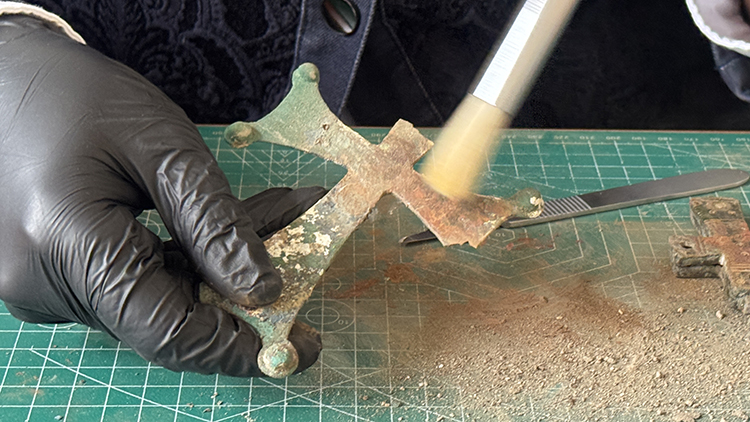
Archaeological excavations at Lystra Ancient City, located in central Anatolia, have brought to light a rare Christian artifact: a sealed bronze reliquary cross dating to between the 9th and 11th centuries. The object was discovered intact during excavations in the church area of the ancient settlement, offering valuable insight into medieval Christian belief and burial practices in the Anatolian interior.
The find stands out not only for its age, but for its condition. Unlike most reliquaries recovered from archaeological contexts, this cross was discovered fully sealed, preserved exactly as it was closed nearly a thousand years ago.
Lystra’s Christian Background in Anatolia
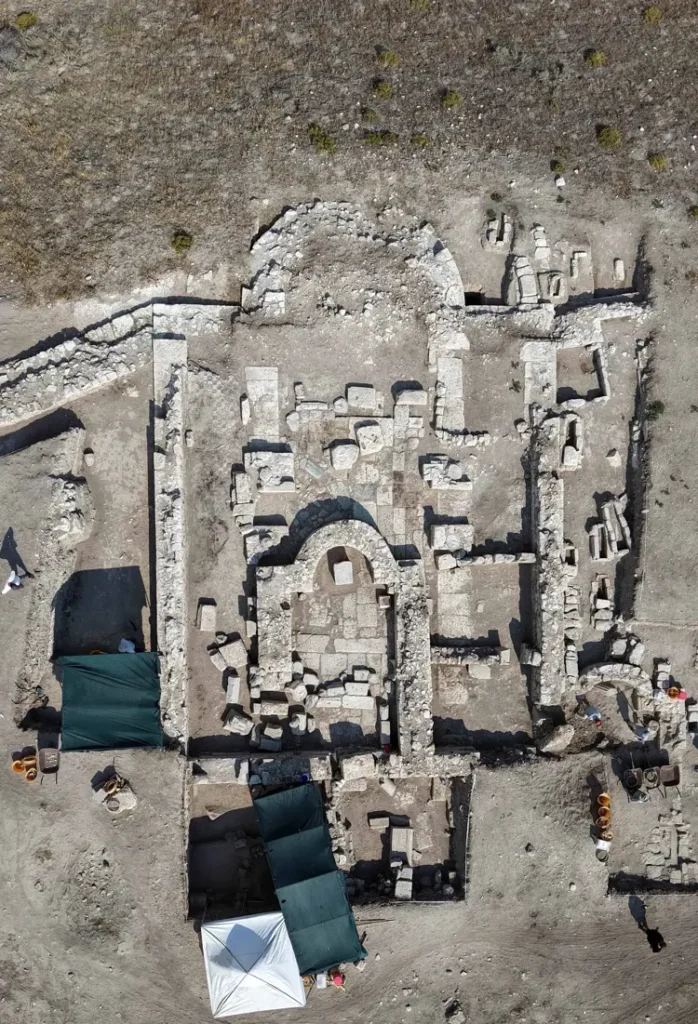
Lystra is widely recognized as one of the Anatolian cities associated with the early spread of Christianity. Ancient sources record the city as one of the places visited by Saint Paul, placing it within the earliest missionary geography of the Christian world.
This historical background gives particular importance to the newly uncovered cross. The artifact was found in a burial context within the church area alongside other metal objects such as crosses and personal ornaments, pointing to a well-established Christian community in the region during the medieval period.
📣 Our WhatsApp channel is now LIVE! Stay up-to-date with the latest news and updates, just click here to follow us on WhatsApp and never miss a thing!!
A Reliquary Meant to Remain Closed
Reliquaries were religious objects created to hold relics—physical remains of saints or items considered sacred through contact with holy figures. In medieval Christianity, such objects often served both devotional and protective purposes and were sometimes worn on the body as pendants.
According to excavation director İlker Mete Mimiroğlu of Necmettin Erbakan University, the Lystra example is unusual:
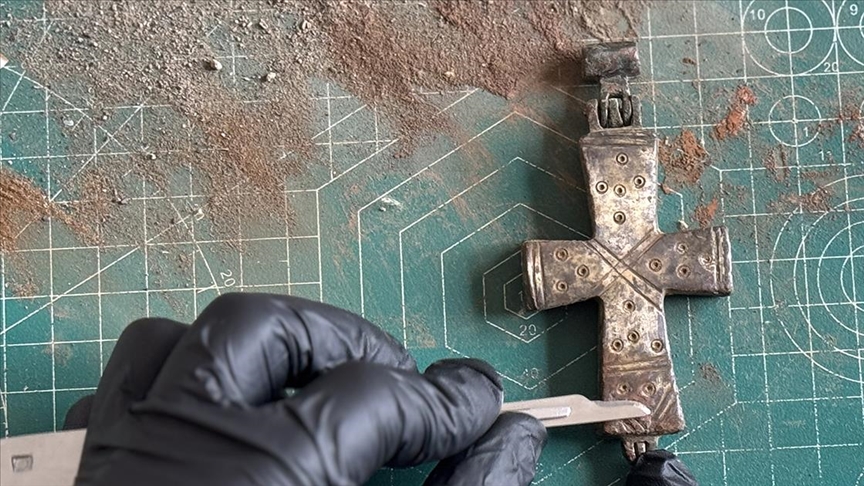
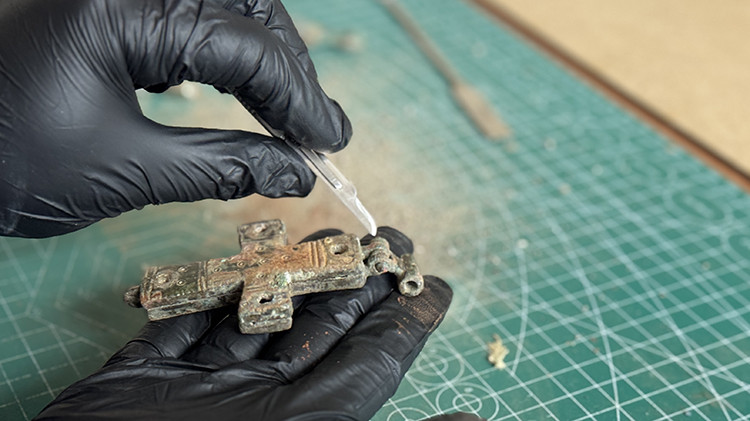
“Reliquary crosses are generally found broken, opened, or incomplete. This one was discovered sealed exactly as it was manufactured. It was permanently closed using a rivet system, with no mechanism designed for reopening. That detail makes it particularly rare.”
The cross consists of two bronze halves decorated with simple geometric motifs. No human or figural imagery appears on the surface, suggesting a restrained visual language focused on personal devotion rather than display.
The Contents Remain Unknown
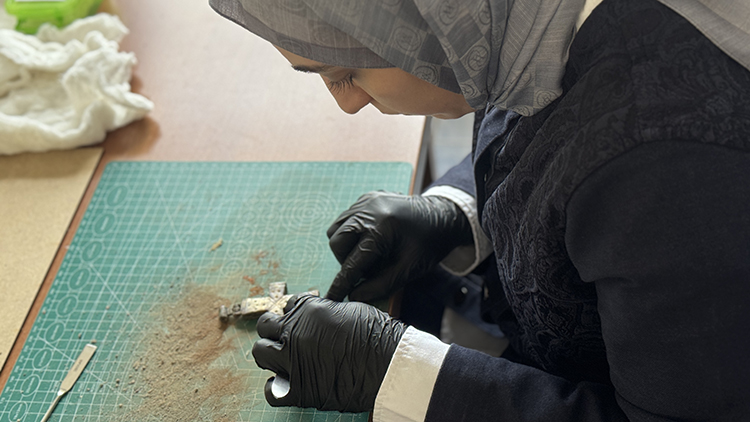
Because the object was intentionally sealed, conservators have chosen not to open it. A limited visual examination through a narrow gap revealed no clearly identifiable relic material, though traces of textile—possibly a fragment of burial cloth—were observed on the surface.
Mimiroğlu noted that the act of sealing itself likely carried symbolic meaning. “Whether or not an object was placed inside, the intention was permanence,” he explained. “The spiritual value of the reliquary did not depend on visibility.”
Preserved for Future Study
The restoration and conservation of the reliquary cross were carried out at the Konya Archaeology Museum with meticulous care. The artifact is now protected for future research and evaluation, contributing to a growing body of material evidence for medieval Christianity in Anatolia.
For archaeologists, the sealed cross offers a rare opportunity to study religious practice beyond monumental architecture—revealing how faith was expressed through small, personal objects that accompanied individuals in life and in death.
As excavations continue at Lystra, researchers expect further discoveries that will deepen our understanding of Anatolia’s role in the development and continuity of Christian tradition.
- A 1700-year-old statue of Pan unearthed during the excavations at Polyeuktos in İstanbul
- The granary was found in the ancient city of Sebaste, founded by the first Roman emperor Augustus
- Donalar Kale Kapı Rock Tomb or Donalar Rock Tomb
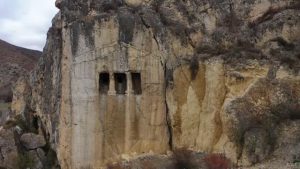
- Theater emerges as works continue in ancient city of Perinthos
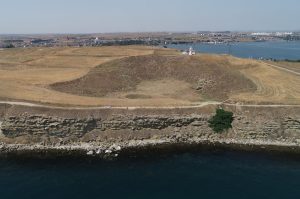
- Urartian King Argishti’s bronze shield revealed the name of an unknown country
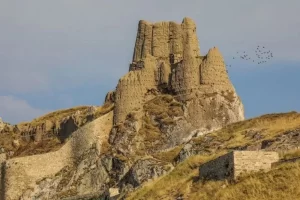
- The religious center of Lycia, the ancient city of Letoon
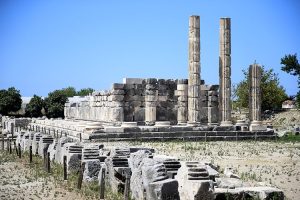
- Who were the Luwians?
- A new study brings a fresh perspective on the Anatolian origin of the Indo-European languages

- Perhaps the oldest thermal treatment center in the world, which has been in continuous use for 2000 years -Basilica Therma Roman Bath or King’s Daughter-
- The largest synagogue of the ancient world, located in the ancient city of Sardis, is being restored
Leave a Reply