
A Seljuk Caravanserai Reveals Rare Mongol and Turkic Tamgas: New Inscriptions Emerge at Çardak
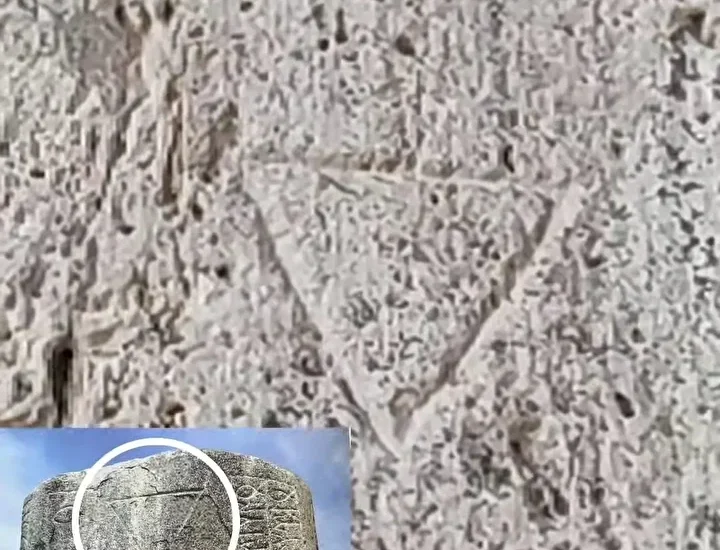
A 13th-century waystation in western Türkiye is drawing fresh attention after the discovery of two highly unusual symbols — the Mongol Ulzii motif and a Turkic tamga associated with Bilge Tonyukuk.
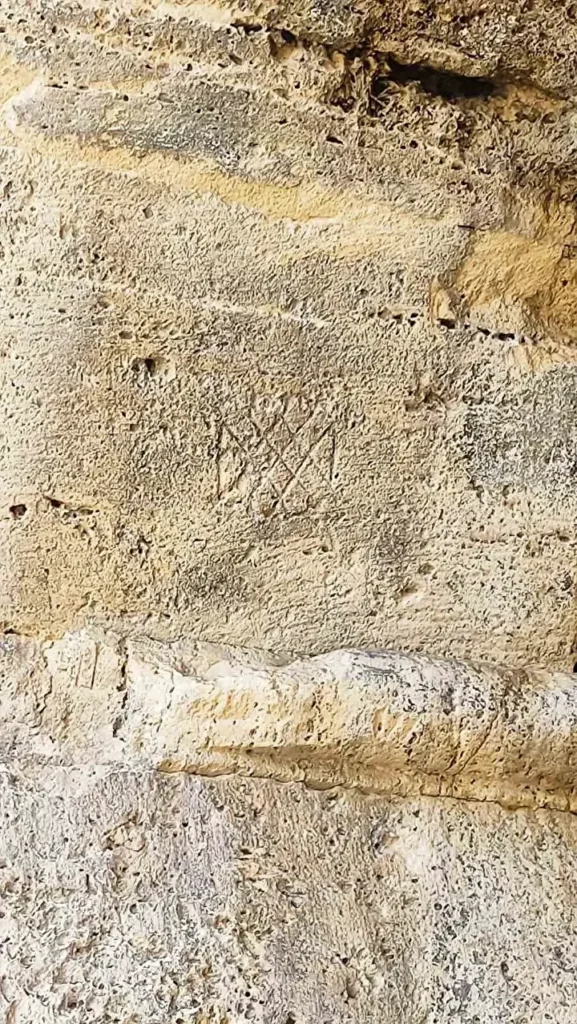
When the Seljuk caravan routes crossed the vast interior of Anatolia, they created more than commercial arteries; they forged a landscape of cultural exchange. One of the clearest examples of this layered history has now resurfaced at Çardak Caravanserai, built in 1230 by Ayaz bin Abdullah al-Shahabi in today’s Denizli Province. New documentation has identified two striking symbols carved into the walls: the Mongol Ulzii (Ölzii) knot and a Turkic tamga known from the Tonyukuk inscriptions.
Their coexistence on a single Seljuk monument is causing considerable excitement among historians and epigraphists.
Rediscovering an Unlikely Pairing: The Mongol “Ulzii” Motif
Researcher and author Ümit Şıracı, who has been studying the site, explains that the Ulzii motif is traditionally a marker of auspiciousness and continuity in Mongol societies. From the Mongols to Buryats, Tuvans, and Altai groups, the motif is widely interpreted as a sign of good fortune, cosmic harmony, protection from misfortune, and the uninterrupted flow of life.
At Çardak, the Ulzii appears prominently on the caravanserai’s entrance façade — an unusual placement for a Seljuk monument. Its presence suggests that the structure functioned not only as a logistical node on the trade network but also as a space where different cultural identities were interwoven.
📣 Our WhatsApp channel is now LIVE! Stay up-to-date with the latest news and updates, just click here to follow us on WhatsApp and never miss a thing!!
Based on the design’s close resemblance to Central Asian examples, scholars believe the symbol may have been introduced by Mongol groups active in the region during the early 13th century, possibly as part of ritual practices linked to travel, prosperity, or territorial affirmation.
A Turkic Tamga Reaching from Mongolia to Anatolia
Even more striking is the second symbol: a tamga associated with Bilge Tonyukuk, the eminent statesman and strategist of the early Turkic Khaganate. The same mark appears on the Tonyukuk Monument near modern Ulaanbaatar, making its appearance on an Anatolian caravanserai especially noteworthy.
Şıracı emphasizes that the coexistence of the two signs — one Mongol, one Turkic — reveals a deeper historical texture than previously recognized. It illustrates not merely shared artistic preferences but the overlapping political, social, and military networks that shaped the Seljuk world in the years surrounding the Mongol expansion.
The tamga’s arrival in Anatolia may also signal the endurance of pan-Turkic identity symbols long after the Orkhon inscriptions were carved in the 8th century. Its carving onto a 13th-century caravanserai suggests that elements of the steppe’s elite cultural vocabulary remained meaningful to communities operating along Seljuk trade corridors.
New Research Ahead
Experts now expect a systematic epigraphic and architectural survey of the Çardak Caravanserai. The reliefs and carved symbols, though long visible, had never been studied in detail. Their joint appearance raises important questions: Were the motifs added simultaneously? Do they reflect the presence of Mongol envoys, merchants, or military units? Or were they adopted by local artisans familiar with steppe iconography?
Scholars also note the possibility that these motifs served ritual functions related to the protection of travelers and the prosperity of the trade routes — practices that often blended Turkic, Mongol, and Islamic traditions during the 13th century.
Whatever their origin, the carvings underscore the caravanserai’s role as a contact zone where multiple cultural currents met, overlapped, and transformed one another. As new investigations begin, Çardak may yet offer one of the most evocative case studies of Turkic–Mongol interaction in medieval Anatolia.
Cover Image: IHA
- A 1700-year-old statue of Pan unearthed during the excavations at Polyeuktos in İstanbul
- The granary was found in the ancient city of Sebaste, founded by the first Roman emperor Augustus
- Donalar Kale Kapı Rock Tomb or Donalar Rock Tomb
- Theater emerges as works continue in ancient city of Perinthos
- Urartian King Argishti’s bronze shield revealed the name of an unknown country
- The religious center of Lycia, the ancient city of Letoon
- Who were the Luwians?
- A new study brings a fresh perspective on the Anatolian origin of the Indo-European languages

- Perhaps the oldest thermal treatment center in the world, which has been in continuous use for 2000 years -Basilica Therma Roman Bath or King’s Daughter-
- The largest synagogue of the ancient world, located in the ancient city of Sardis, is being restored
Leave a Reply