
A Smiling Medusa Discovered in the Ancient City of Amastris on Türkiye’s Black Sea Coast
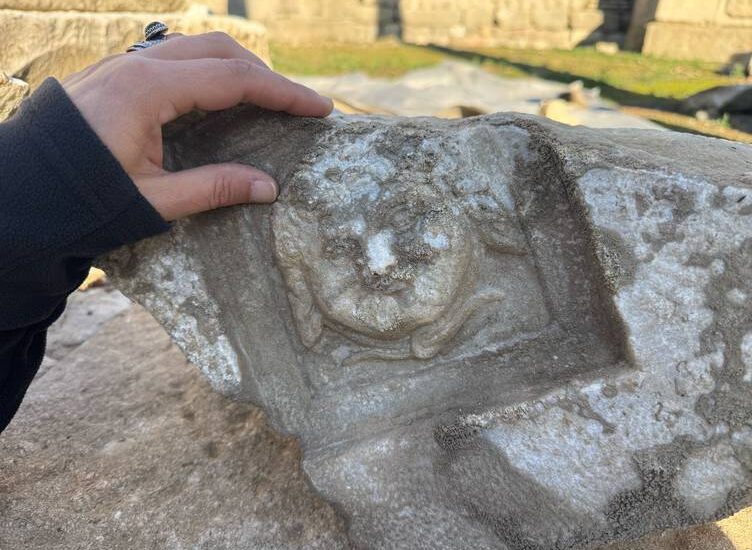
Archaeologists working in Amasra have uncovered a highly unusual depiction of one of antiquity’s most iconic mythological figures. A Medusa carved not with a terrifying expression, but with a gentle, almost smiling face has been found among the ceiling coffers of a monumental Roman stoa. The discovery offers a new perspective on the artistic choices and cultural identity of ancient Amastris.
A Monument Rising Again in the City Founded by Queen Amastris
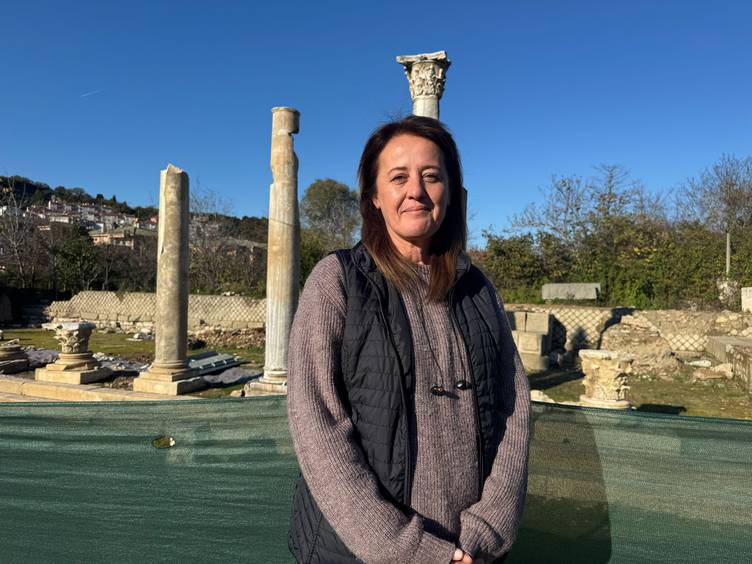
Excavations conducted by Bartın University continue to reveal the long-lost architectural splendor of a 2,000-year-old stoa. The structure, built in the Corinthian order and originally supported by towering marble columns nearly nine meters high, collapsed after centuries of earthquakes. Today, the building is being reconstructed through a meticulous anastylosis program, using the very stones that once shaped its façade.
The excavation and restoration efforts are led by Prof. Dr. Fatma Bağdatlı Çam, who oversees work across a large area believed to have served as the city’s agora or forum—the social and commercial heart of Roman Amastris. As the columns rise again, the ancient urban landscape is slowly reclaiming its former character.
What Does a Smiling Medusa Mean?
In the ancient world, Medusa was typically depicted as a fierce, apotropaic figure meant to instill fear and drive away evil. Yet the Medusa found in Amastris completely overturns this visual tradition. Rather than the sharp features and threatening stare associated with the myth, the figure here is carved with softness—rounded cheeks, a serene gaze, and the faintest hint of a smile.
📣 Our WhatsApp channel is now LIVE! Stay up-to-date with the latest news and updates, just click here to follow us on WhatsApp and never miss a thing!!
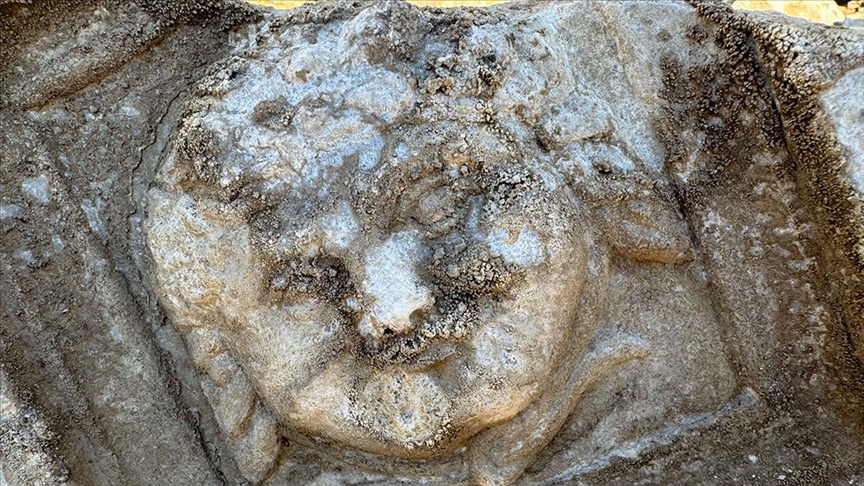
Prof. Bağdatlı Çam suggests that this rare depiction may symbolize a message of peace or prosperity. Its resemblance to Eros in facial expression hints that local artists may have adapted mythological motifs to reflect the city’s own cultural and social environment.
New Clues Revealing the Wealth of Ancient Amastris
In recent years, the site has produced remarkable finds—including a sculpted head of Alexander the Great, statues of nymphs and household deities, amulets, and coins from multiple periods. Yet the smiling Medusa stands apart: both for its iconographic uniqueness and for its prominent placement on the monumental stoa.
If restoration continues according to plan, portions of the agora and the stoa may open to visitors by late 2026 or early 2027, allowing the public to witness the revived architecture of Amastris—and encounter the unexpectedly gentle face of its Medusa.
- A 1700-year-old statue of Pan unearthed during the excavations at Polyeuktos in İstanbul
- The granary was found in the ancient city of Sebaste, founded by the first Roman emperor Augustus
- Donalar Kale Kapı Rock Tomb or Donalar Rock Tomb
- Theater emerges as works continue in ancient city of Perinthos

- Urartian King Argishti’s bronze shield revealed the name of an unknown country
- The religious center of Lycia, the ancient city of Letoon
- Who were the Luwians?

- A new study brings a fresh perspective on the Anatolian origin of the Indo-European languages

- Perhaps the oldest thermal treatment center in the world, which has been in continuous use for 2000 years -Basilica Therma Roman Bath or King’s Daughter-
- The largest synagogue of the ancient world, located in the ancient city of Sardis, is being restored
Leave a Reply