
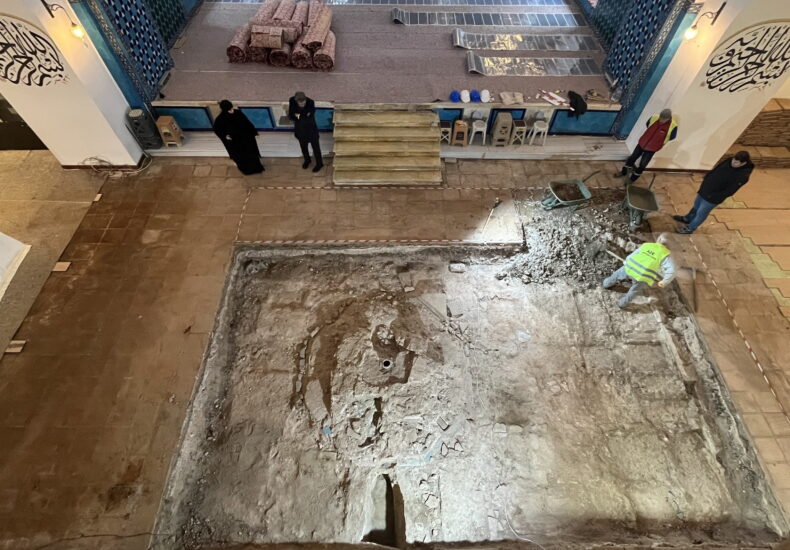
600-Year-Old Pool Discovered Inside Ottoman Mosque in Bursa During Restoration
A long-hidden architectural feature has come to light inside Bursa’s historic Muradiye Mosque, offering a rare glimpse into early Ottoman design practices. During ongoing restoration work, experts uncovered what is believed to be a nearly 600-year-old pool embedded within the mosque’s interior. Rediscovered Water Feature Sheds Light on Ottoman Design The Muradiye Mosque, commissioned by
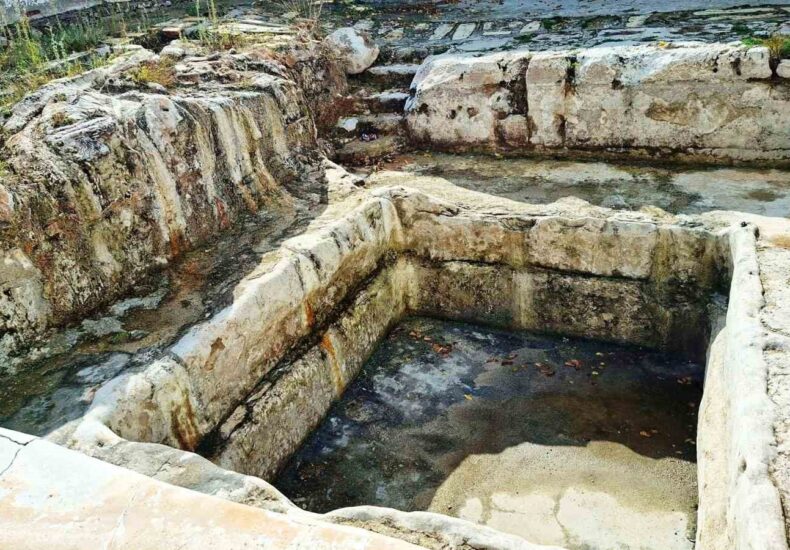
Ancient Roman Bath in Kütahya Faces Collapse as Neglect Deepens
A rock-cut Roman bath in western Türkiye, once believed to have healing properties, is now on the brink of disappearance after years of neglect in the village of Sefaköy, Kütahya. Hidden in the rural landscape of Hisarcık district, the structure—carved directly into natural rock during the Roman period—has long been known among locals for its
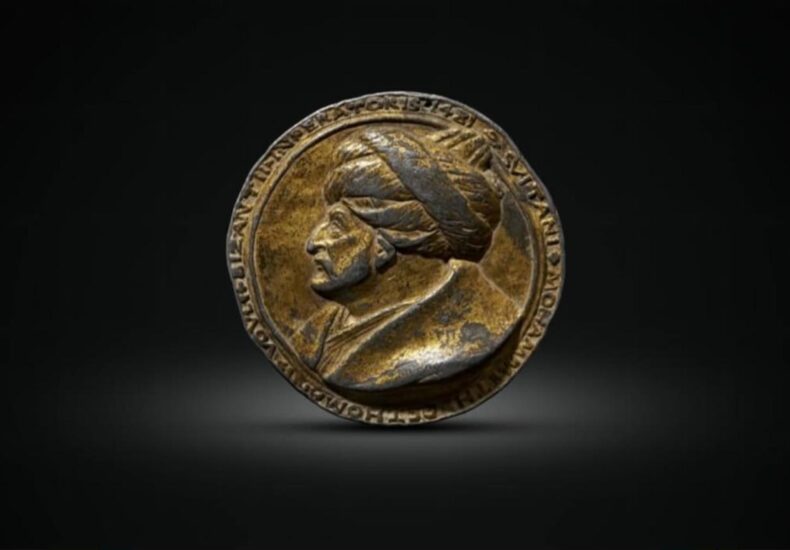
Renaissance Medallion of Mehmed the Conqueror to Headline Dubai Auction
A rare Renaissance portrait of Mehmed II—the Ottoman ruler who reshaped the course of world history—will soon take center stage at a high-profile auction in Dubai. Created in 1481 by the Italian artist Constanzo da Ferrara, the medallion is considered one of the most exceptional cross-cultural artworks linking Renaissance Europe with the Ottoman court. What
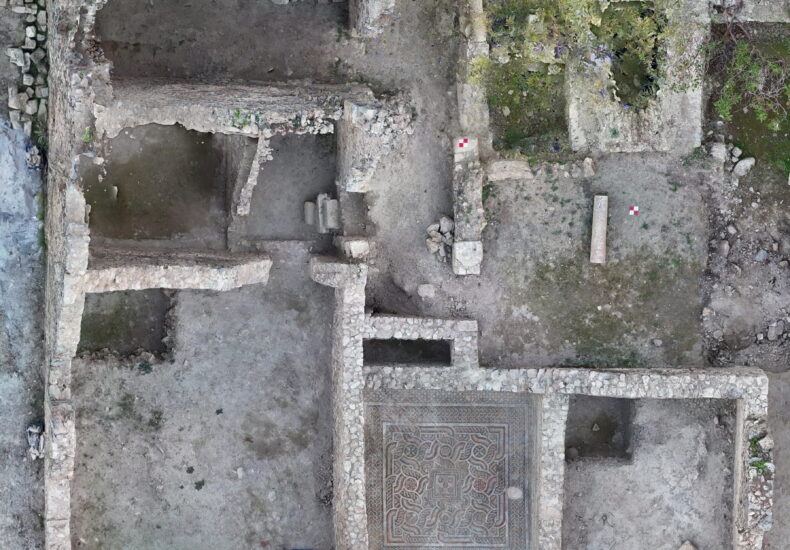
1,500-Year-Old Greek Inscription Mosaic Reading “Let the Envious Burst” Discovered in Syedra
A 1,500-year-old mosaic with Greek inscriptions has been uncovered in the ancient city of Syedra, near Alanya on Türkiye’s Mediterranean coast. The well-preserved floor mosaic, discovered during ongoing archaeological excavations, features decorative geometric and vegetal motifs accompanied by two striking inscriptions, including one that can be translated as “Let the envious burst.” The discovery provides
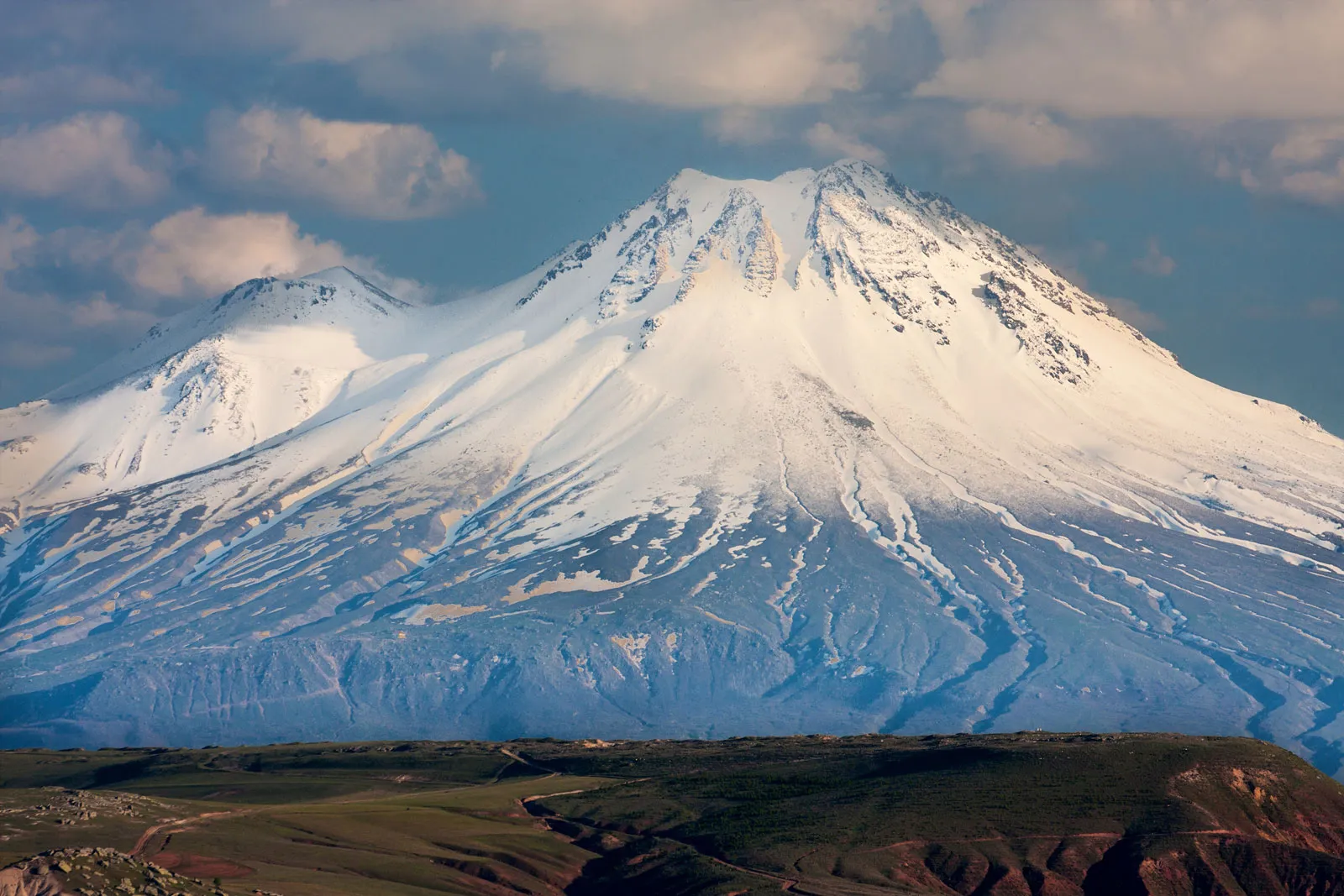
New Study Reassesses Mount Ararat’s Role in the Noah Ark Tradition Across Three Faiths
Mount Ararat is often presented as a question. Did the Ark land there — or not? But a new academic study suggests we may have been asking the wrong question all along. Instead of searching for frozen timber beneath glaciers, the 2025 research turns to something more complex: how one mountain carries three different sacred
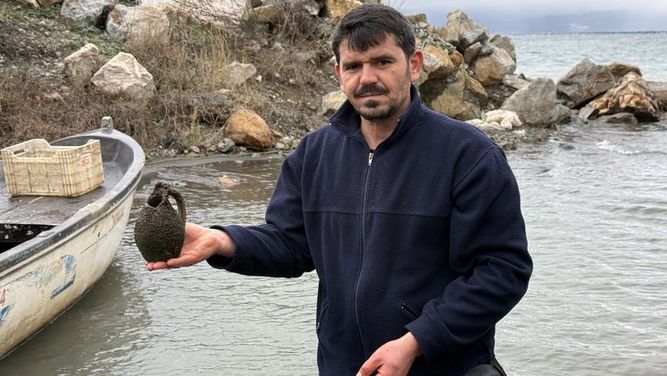
Fishing Net Snags Possible Ancient Jar as Water Levels Drop in Lake İznik
A routine morning on Lake İznik turned unexpectedly archaeological this week, when a fisherman’s net surfaced not with carp or perch—but with what appears to be a historic clay jar. The incident occurred along the shores of Göllüce, a neighborhood on the western edge of the lake in Bursa, northwestern Türkiye. As drought conditions continue
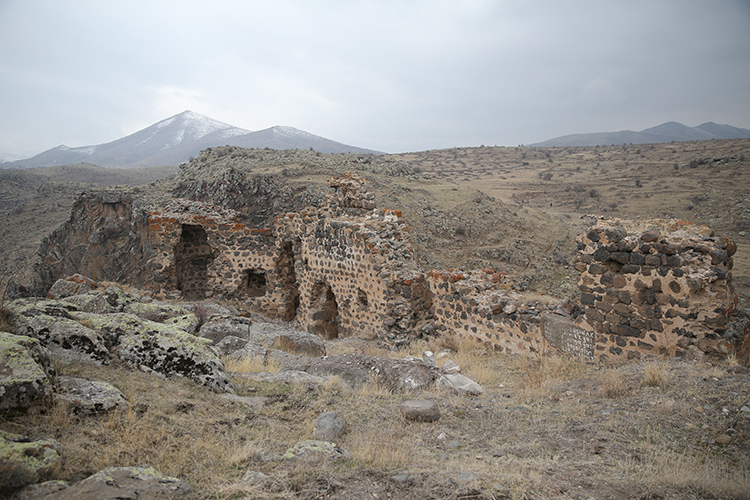
A 1,000-Year-Old Fortress Overlooking the Melendiz Plain Still Stands in Central Anatolia
Rising from a sheer rock formation above the Melendiz Plain, the medieval Murtaza Castle continues to dominate the landscape of central Anatolia nearly a millennium after its construction. Located near the village of Murtaza in the Çiftlik district of Niğde, the fortress offers rare insight into how geography, military strategy, and natural topography shaped defensive
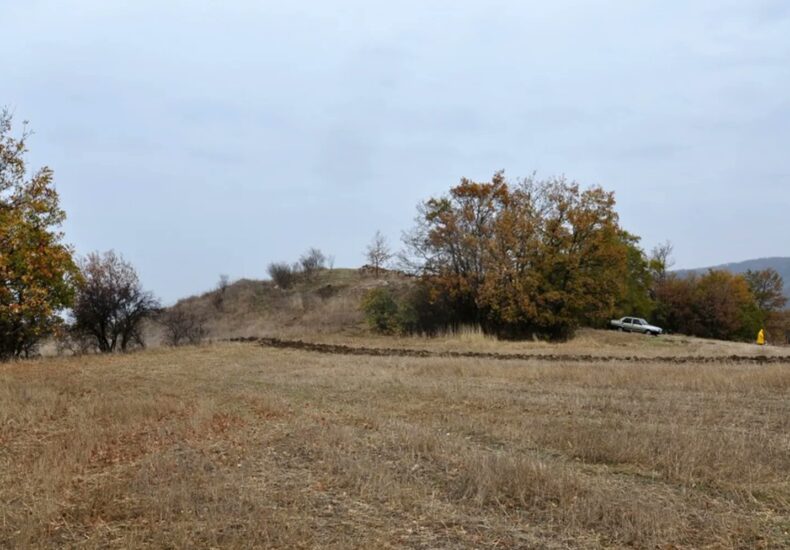
In Midas’ Shadow? The Royal Phrygian Tumulus in Western Anatolia Is Reshaping the Power Map
For much of the last century, the political and ceremonial geography of Phrygia has been interpreted through a single focal point: Gordion. Long regarded as the unquestioned center of royal authority, the city shaped how scholars understood power, hierarchy, and elite identity in Iron Age Anatolia. A newly analyzed burial from western Anatolia, however, is
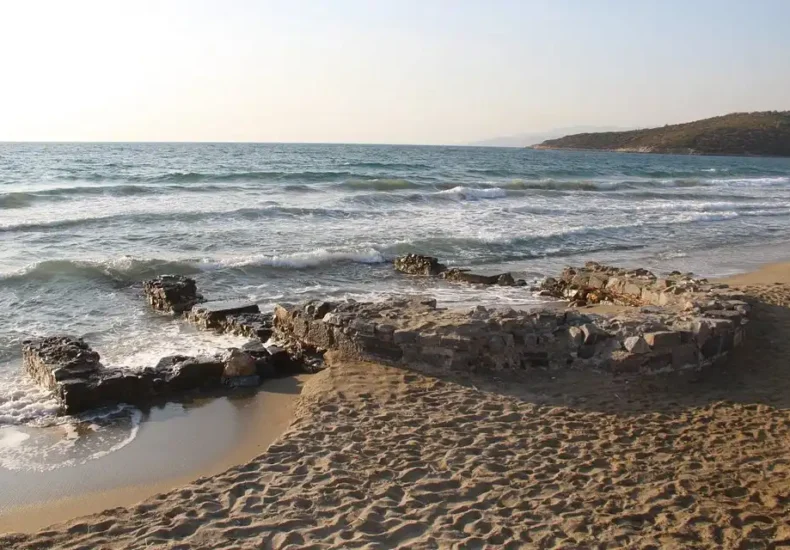
Pygela Necropolis in Kuşadası Granted First-Degree Archaeological Protection
A previously overlooked burial landscape connected to the ancient city of Pygela, near modern-day Kuşadası in western Türkiye, has now been officially designated a First-Degree Archaeological Site. The decision places the Otuzbirler Mevkii Necropolis under the highest level of legal protection, reflecting growing recognition of the area’s archaeological sensitivity and future research potential. Official designation
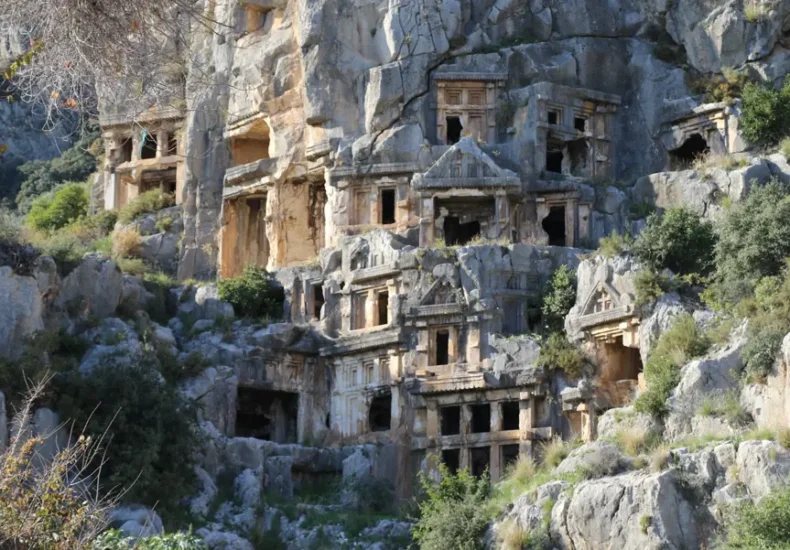
Myra’s Monumental Roman Theatre Set for Restoration as Archaeologists Call the City “Anatolia’s Pompeii”
Archaeological excavations and conservation projects at Myra Ancient City and its ancient harbor, Andriake, on Türkiye’s Mediterranean coast have entered a decisive new phase. Officials have confirmed that restoration of Myra’s monumental Roman theatre is scheduled to begin in 2026, while a selection of exceptionally rare artifacts uncovered during recent excavations is now being displayed