
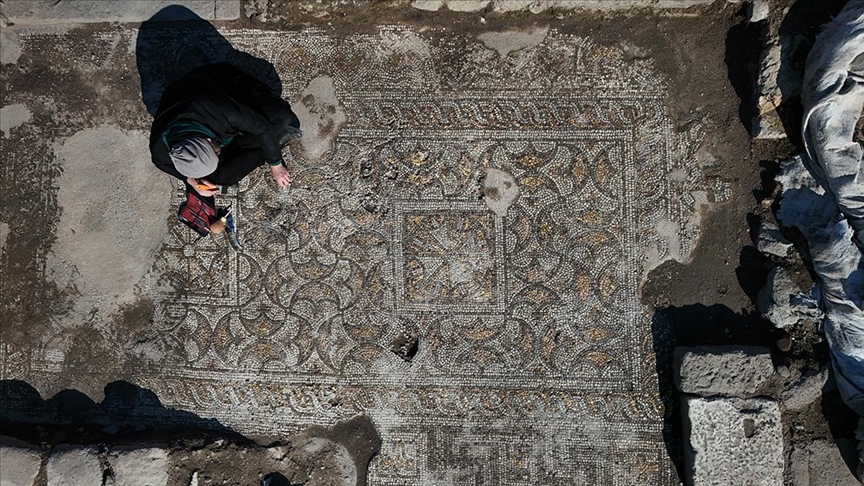
Experts Working to Unearth ‘Mosaic House’ in Pergamon
In Bergama, Izmir, Türkiye, the UNESCO World Heritage Site of Pergamon is being revitalized through excavations under the Ministry of Culture and Tourism’s “Heritage for the Future Project.” Led by Prof. Dr. Yusuf Sezgin, Head of the Archeology Department at Manisa Celal Bayar University, the team is diligently working to uncover the impressive “Mosaic House,”
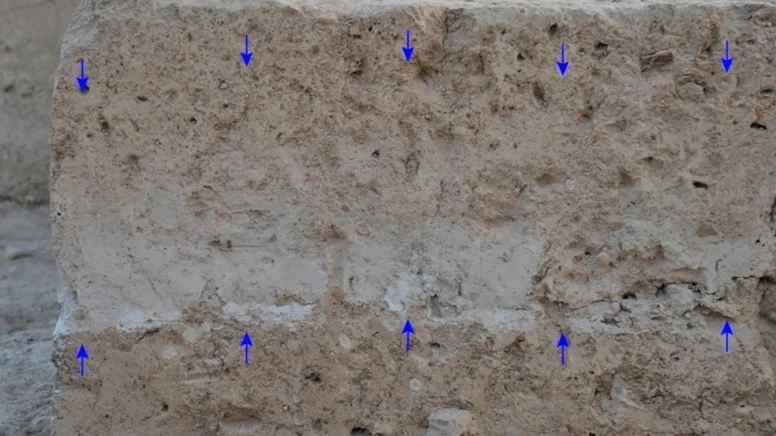
The Mystery of 3,500-Year-Old Ashes in Anatolia Unveiled
In 2023, excavations at Tepecik Mound in the Çine district of Aydın, Türkiye, revealed a significant layer of dense ash. Due to the color and composition of the ash, the research team hypothesized that it might be linked to a volcanic eruption. To confirm their findings, they sent samples to the Atomic Institute of Vienna
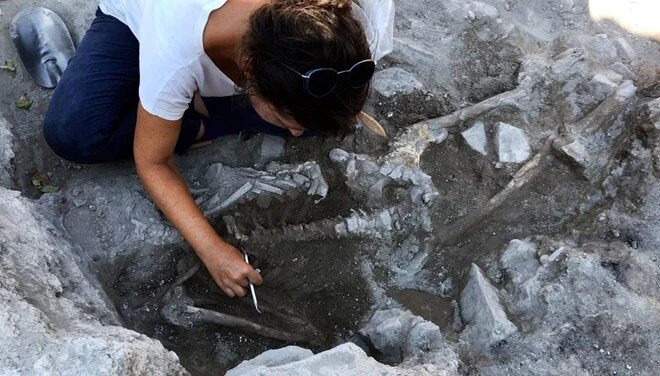
Traces of the Santorini Volcano Eruption and Tsunami Victims Found on Türkiye’s Coastline
In recent days, a swarm of earthquakes in the Aegean Sea has alarmed the residents of Santorini, leading to a rapid evacuation of the island, which has now transformed into a deserted landscape. Some seismologists suggest that this earthquake activity may be a precursor to a volcanic eruption. The recent seismic events brought to mind
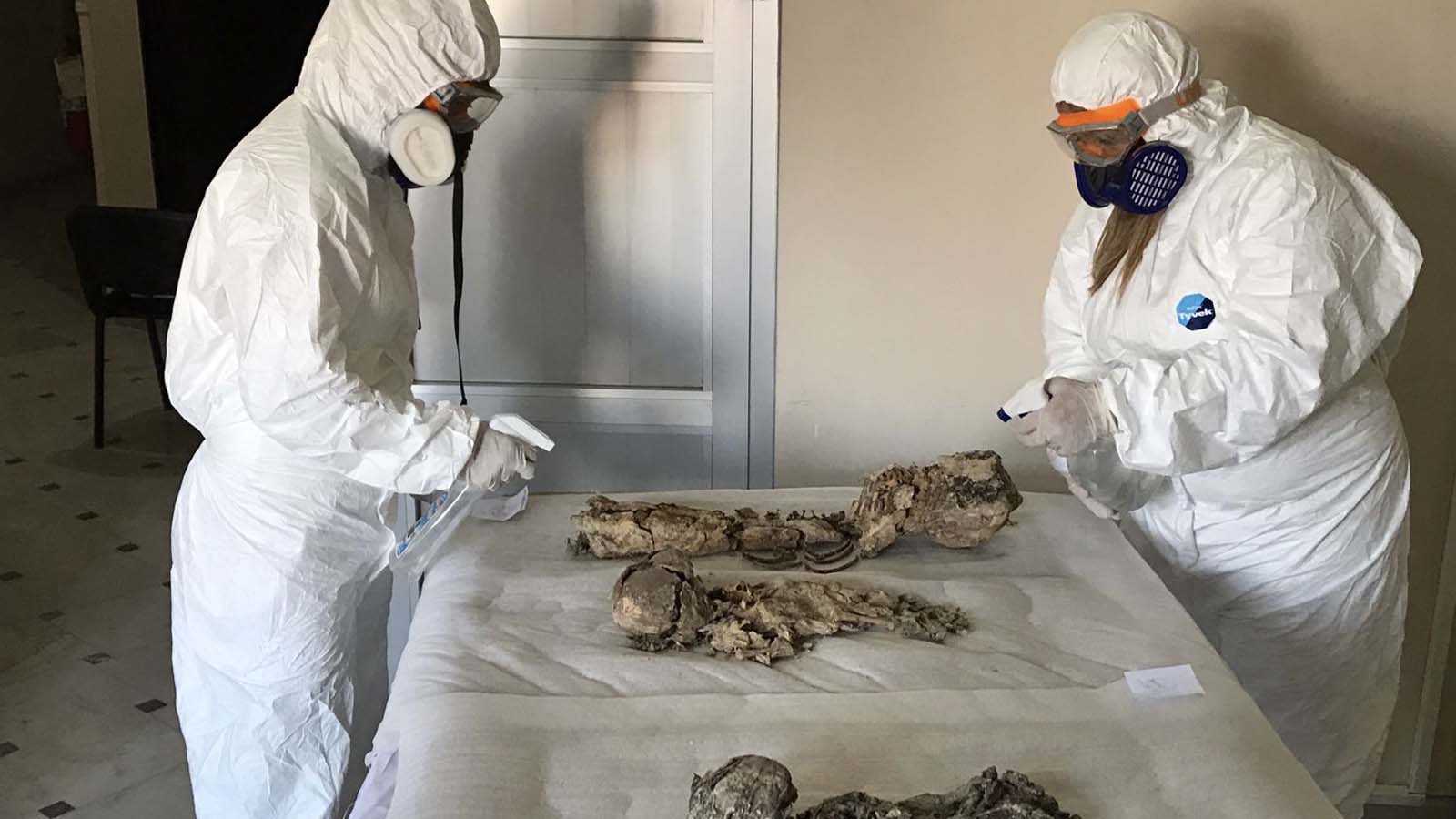
Preserving Adult, Child, and Cat Mummies at Aşıklı Höyük with Climate Control
The adult, child, and cat mummies found during the 1989 excavations at Aşıklı Höyük are preserved using climate control methods. Aşıklı Höyük is one of the oldest known settlements in the world, dating back about 12,000 years. This Neolithic site is located near Kızılkaya village in the Gülağaç district of Aksaray. The Aksaray Museum displays
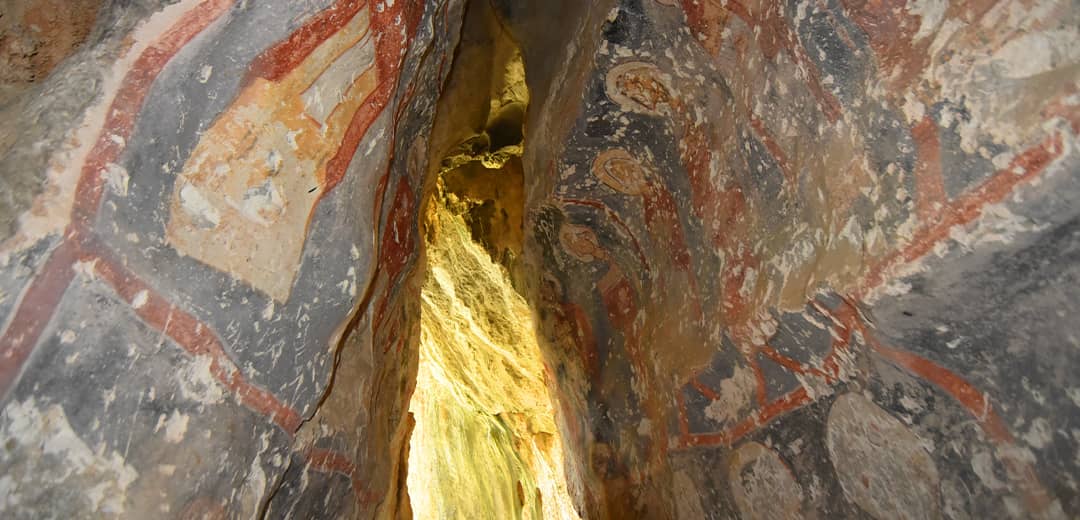
Gavur Beşiği Cave: A Hidden Byzantine Sanctuary
Nestled in the lush Çamlık Nature Monument of Konya’s Derebucak district, Gavur Beşiği Cave is a hidden paradise. It captivates visitors with its natural beauty and historical significance. Locals also call it the “Painted Cave,” and it awaits discovery like a treasure trove. Whispers of History: Traces of the Past Gavur Beşiği Cave is relatively
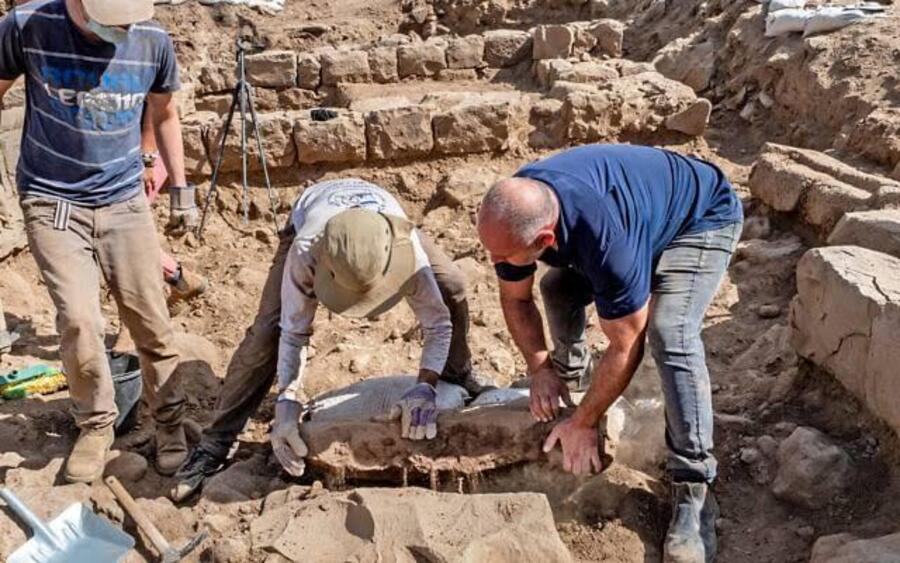
Archaeologists Discover Rare Boundary Stone From the Tetrarchy Period of the Roman Empire
Excavations at Tel Avel Beit Ma’akha, located about 1.2 miles south of Metula in northern Galilee, have led to an extraordinary find: a rare Roman boundary stone dating back to the Tetrarchy era. This ancient artifact provides valuable insights into land ownership, regional settlement patterns, and the administrative practices of the Roman Empire. Insights into
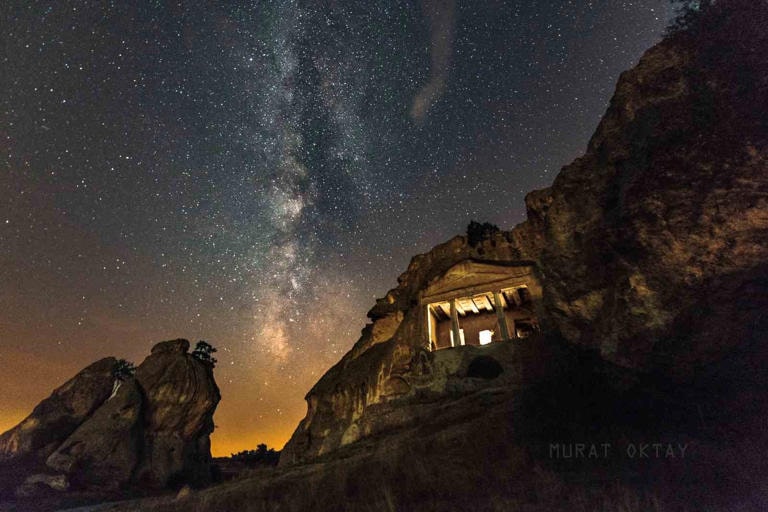
Silent Witnesses of History Under the Silver Lights of the Milky Way: Gerdekkaya and Yazılıkaya
In the skies of Eskişehir, the eternal dance of stars meets the silent witnesses of history. The majestic sweep of the Milky Way embraces the millennia-old Gerdekkaya and Yazılıkaya monuments in the mystical Phrygian Valley, bathed in a silvery glow. This magical moment is immortalized by talented Eskişehir-based astrophotographer Murat Oktay. A Cosmic Convergence: Time
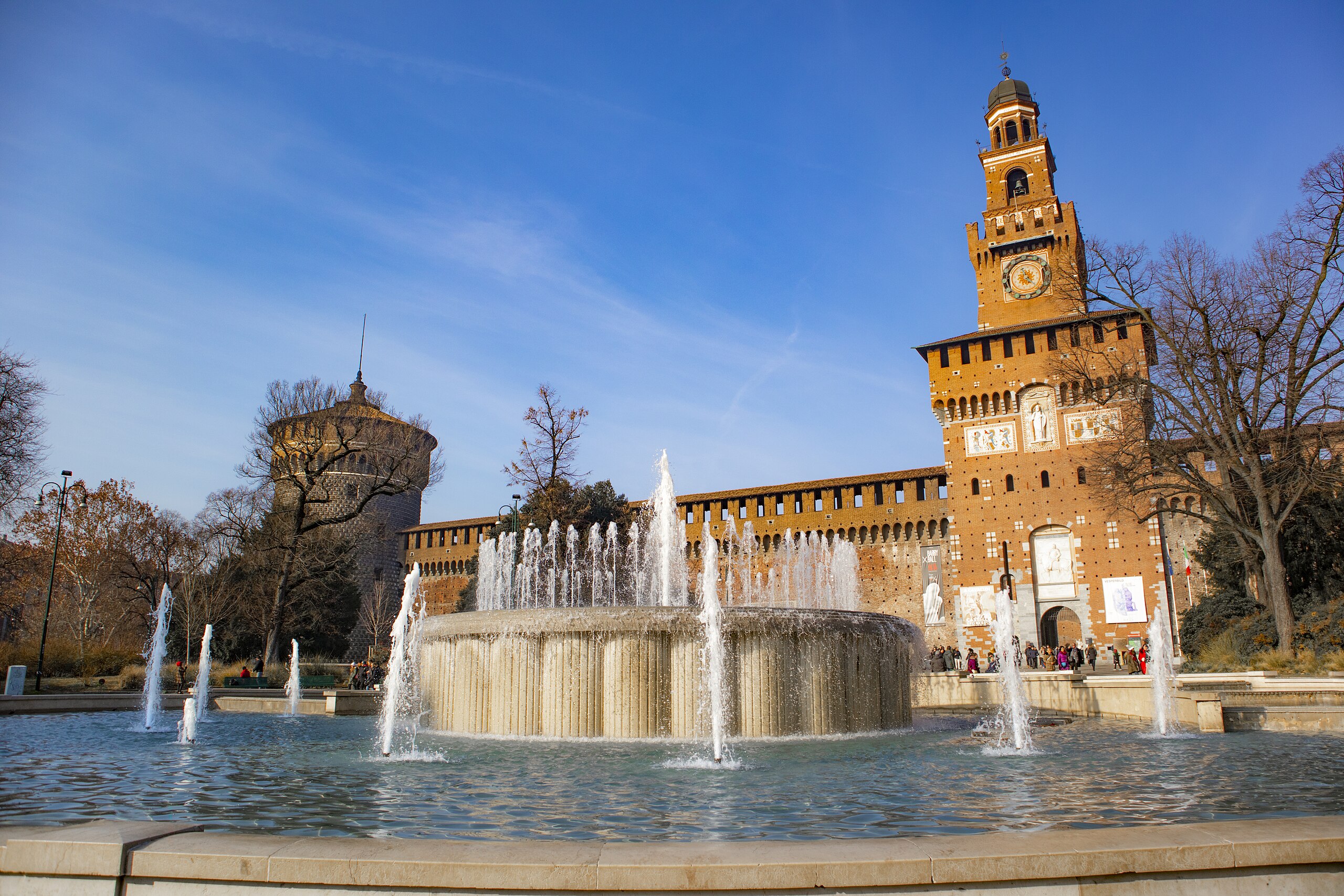
Leonardo da Vinci’s Secret Passages Under Sforza Castle Revealed by Radar
Milan’s Sforza Castle, a symbol of Italian history, has long fascinated historians, engineers, and architects. Built in the 15th century, it has served as a fortress, residence, and seat of power. Now, a groundbreaking technological investigation led by the Politecnico di Milano, in collaboration with Sforza Castle and with technical support from Codevintec, has uncovered
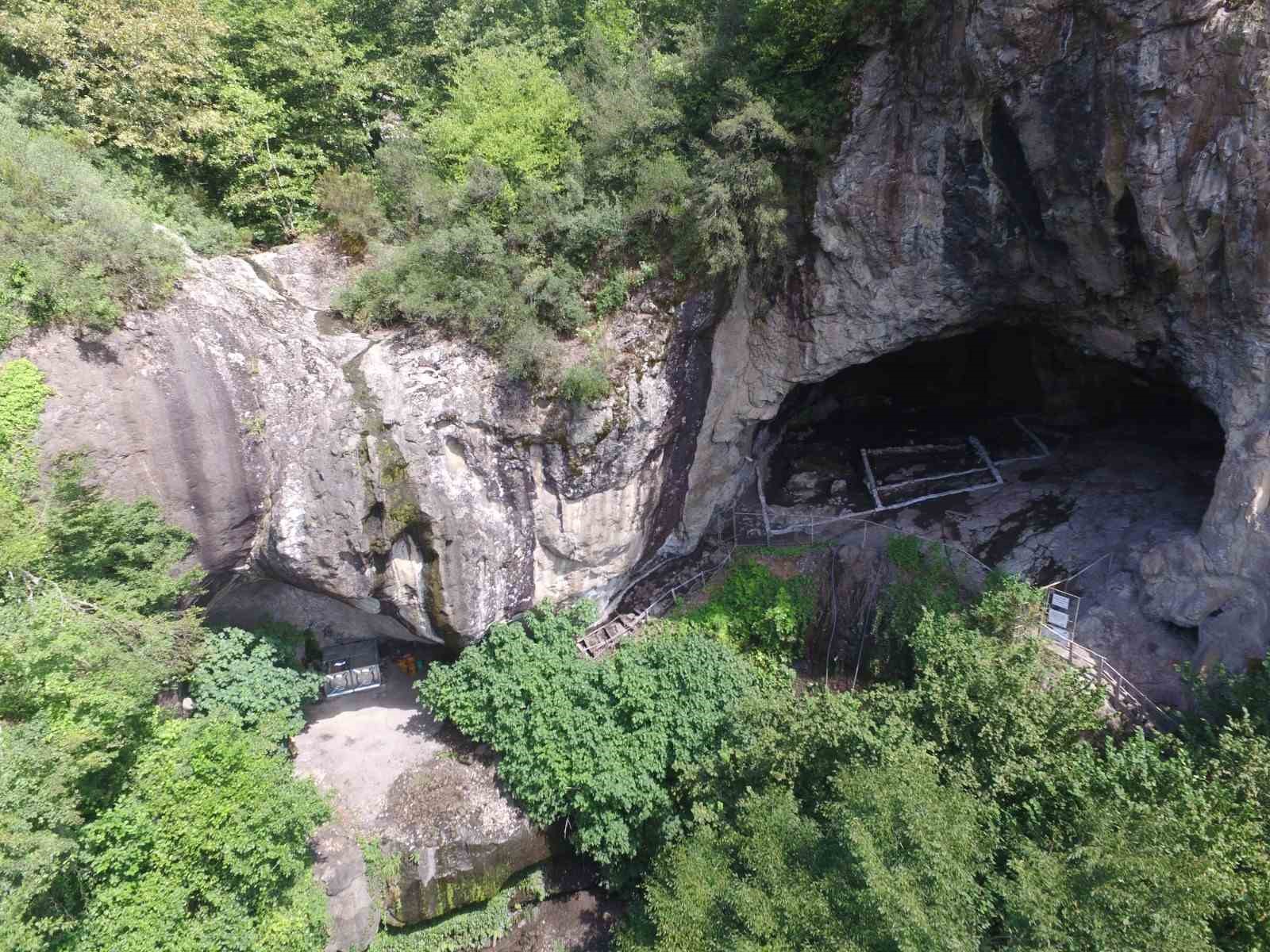
First archaeological evidence of the Kaskas, the Hittites’ fierce enemies, discovered
The Kaskas, known as the relentless enemies of the Hittites who established the first central state in Anatolia, have long remained shrouded in mystery. Residing in the Black Sea region, these tribes continuously launched raids into Hittite territory, becoming a persistent thorn in their side. Until now, archaeological findings related to the Kaskas had not
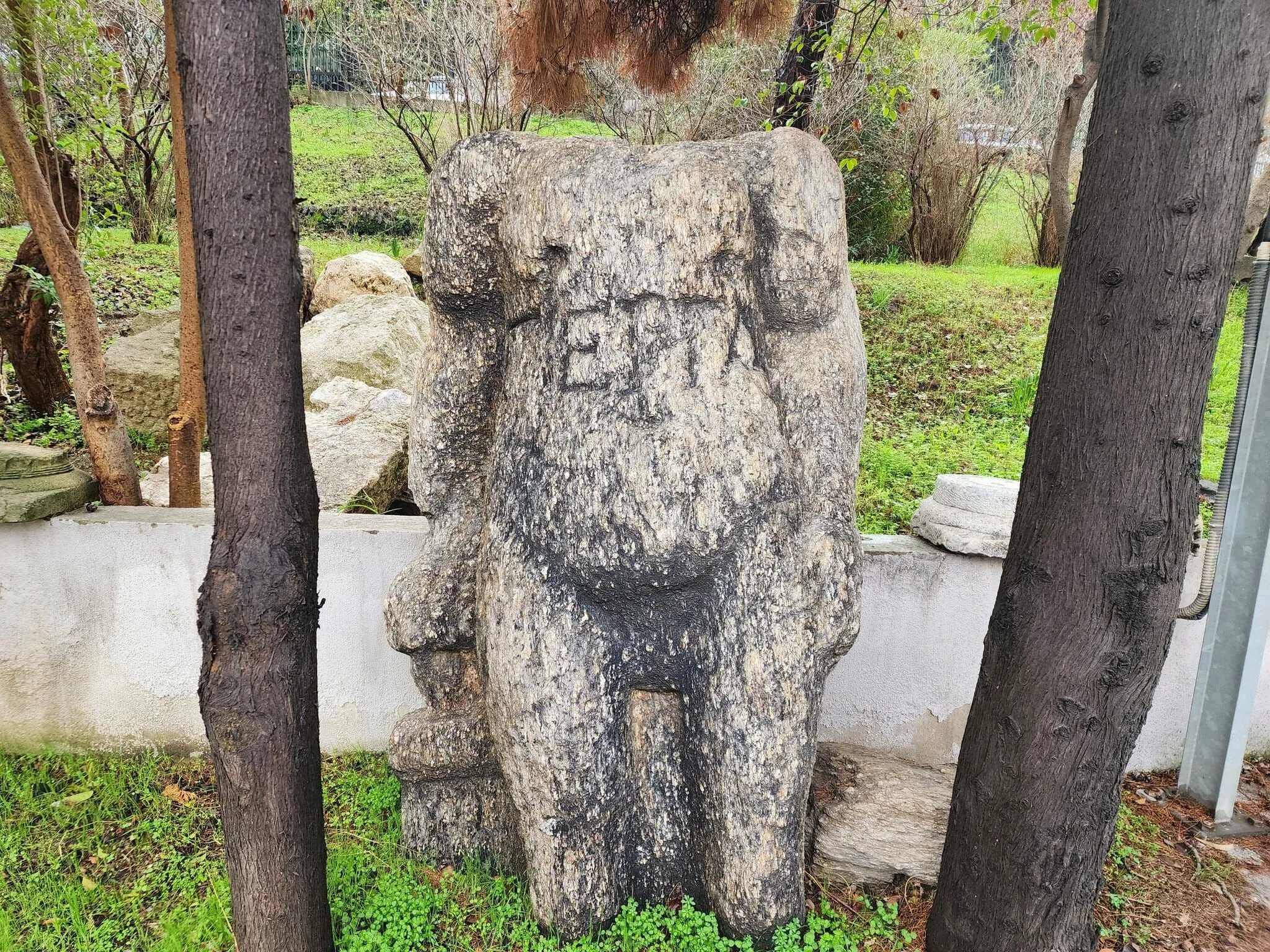
Gerga Inscribed Monumental Statue Found in Farmhouse 14 Years Ago Left to Its Fate
The Gerga Monumental Statue, stolen from the ancient city of Gerga in the Karia region, has been left to its fate after being discovered 14 years ago in a farmhouse. Rescued from antiquities traffickers, the Gerga statue was initially handed over to the İzmir Archaeology Museum, where it was stored in a neglected corner. Recently