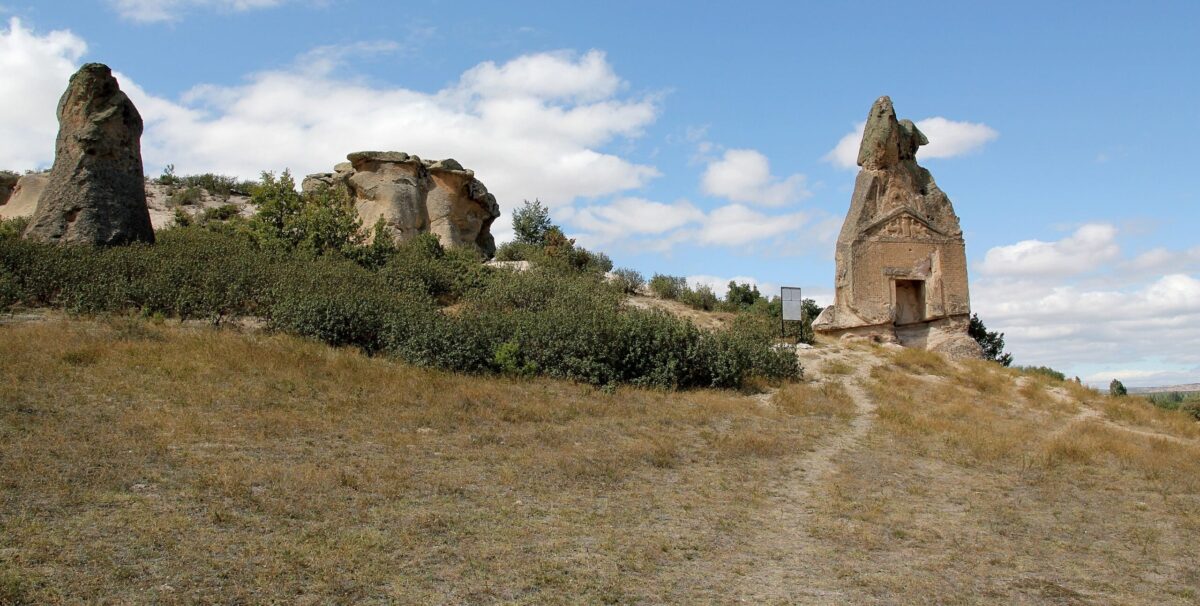
Lost Phrygian Inscription on Arslan Kaya Monument waiting to be deciphered for centuries Deciphered
Professor Mark Munn of Pennsylvania State University has deciphered part of the heavily damaged inscription on the legendary Arslan Kaya Monument (also known as “Lion Kaya”), which has been difficult to decipher for centuries. The Arslan Kaya Monument is carved into a volcanic rock formation about 15 meters high near Lake Emre in the Phrygian
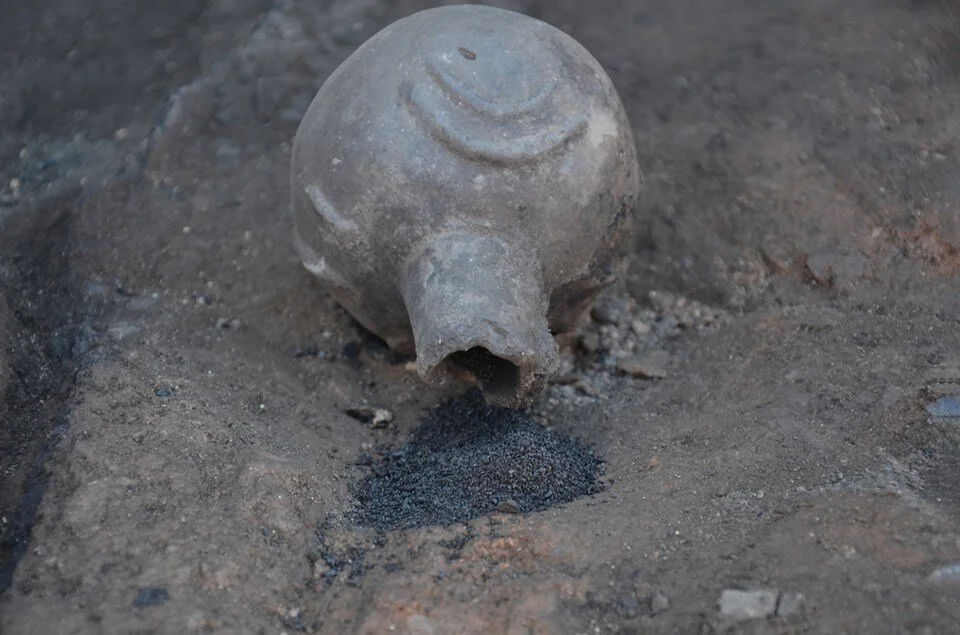
Archaeologists find 5,000-year-old poppy and chickpea grains at thermal power plant site
Turkish archaeologists discovered 5,000-year-old chickpeas and opium poppy seeds in a structure from the Early Bronze Age during rescue excavations at the Seyitömer Mound, located at the thermal power plant site. Beneath Seyitömer Mound, there are 12 million tons of lignite reserves. Rescue excavations were initiated before coal extraction began. The excavations, which started in
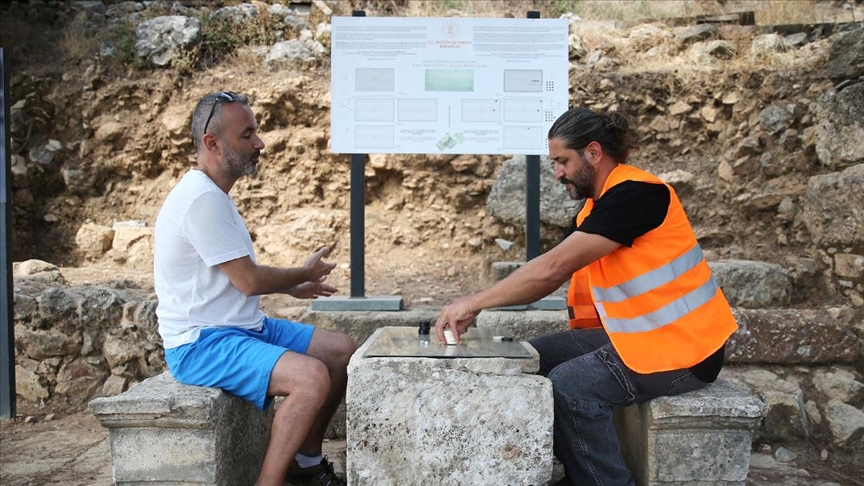
Visitors to the ancient city of Syedra are playing the popular Roman game “12 Signs”
The popular Roman game “12 Signs” (ludus duodecim scriptorum) is being introduced to visitors at the ancient city of Syedra, located in the Alanya district of Antalya. The game “12 Signs” is also known as “Roman Backgammon.” Pieces of the game were found during excavations on the Colonnaded Street of the 3,000-year-old ancient city. The
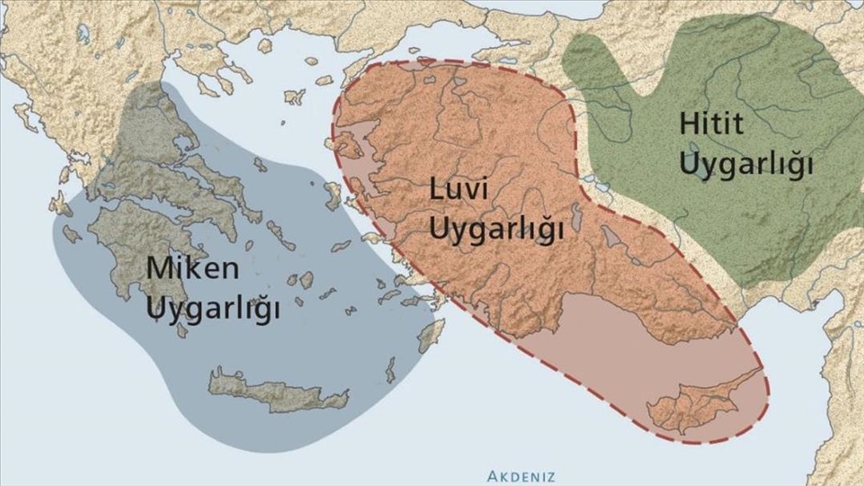
The Luvi Research Foundation has published data on 483 settlements from the Bronze Age in Western Anatolia
The Luvi Research Foundation, based in Switzerland, has released a new open-access database and interactive map providing comprehensive information on 483 significant settlements dating to the Middle and Late Bronze Age in Western Anatolia. The study titled “An Interactive Look at the Bronze Age” includes detailed information such as the names of archaeological sites and
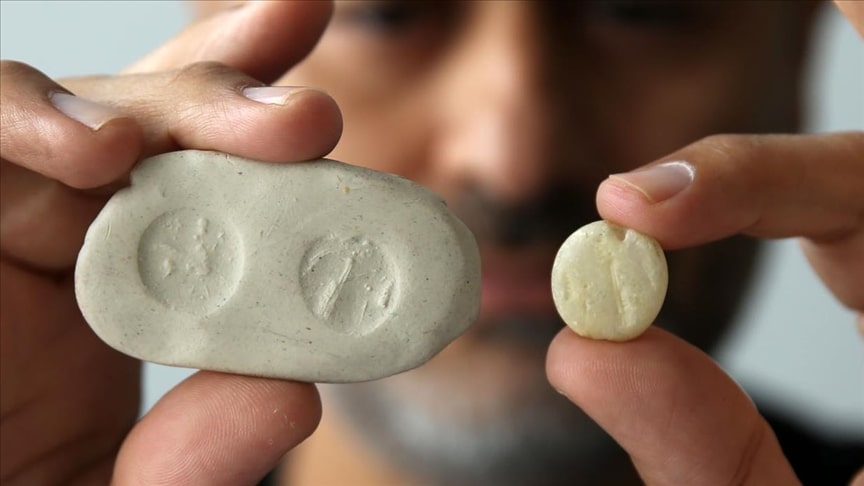
A seal belonging to an Assyrian noble was found at Kef Castle, which was built by the Urartians
During ongoing excavations at the ancient Kef Castle, built at an altitude of 2,300 meters by Urartian King II. Rusa, a seal belonging to an Assyrian noble was found. Kef Castle is located in Bitlis province in eastern Türkiye. It was built by King II. Rusa, who reigned between 685 and 645 BC. During his
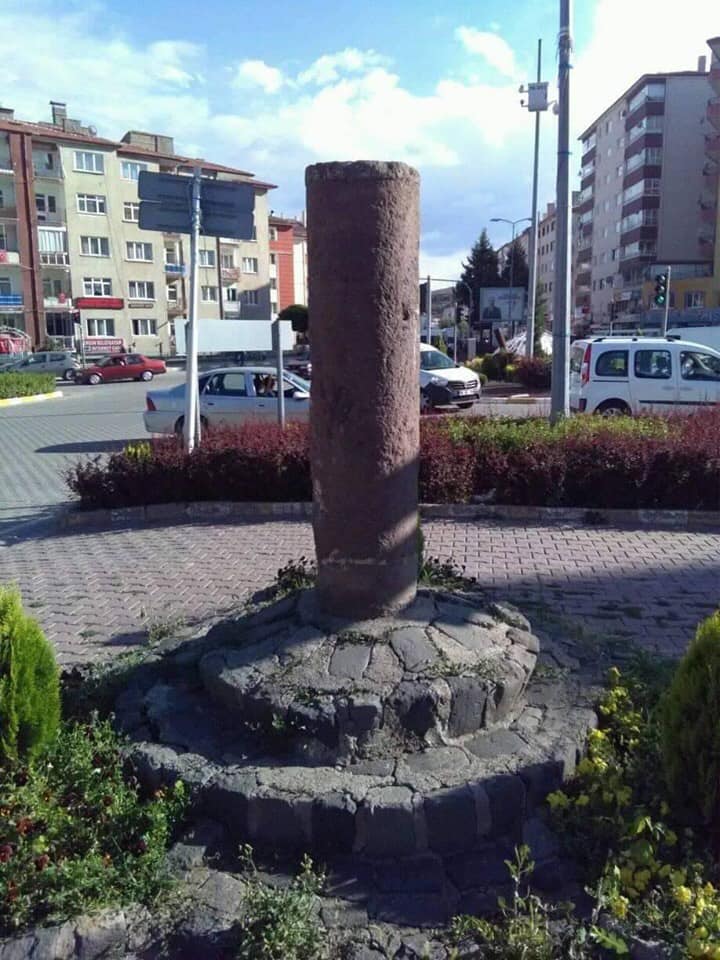
The Roman Embrace Stone, believed to grant wishes and bring healing
Embrace Stone, the symbolized structure of the small and charming city of Çankırı in Central Anatolia, has been a mysterious site that has captivated the curiosity of both locals and visitors for centuries. The heart-shaped hollow on its surface and the legends surrounding it have contributed to the stone’s mystical aura. However, it is quite
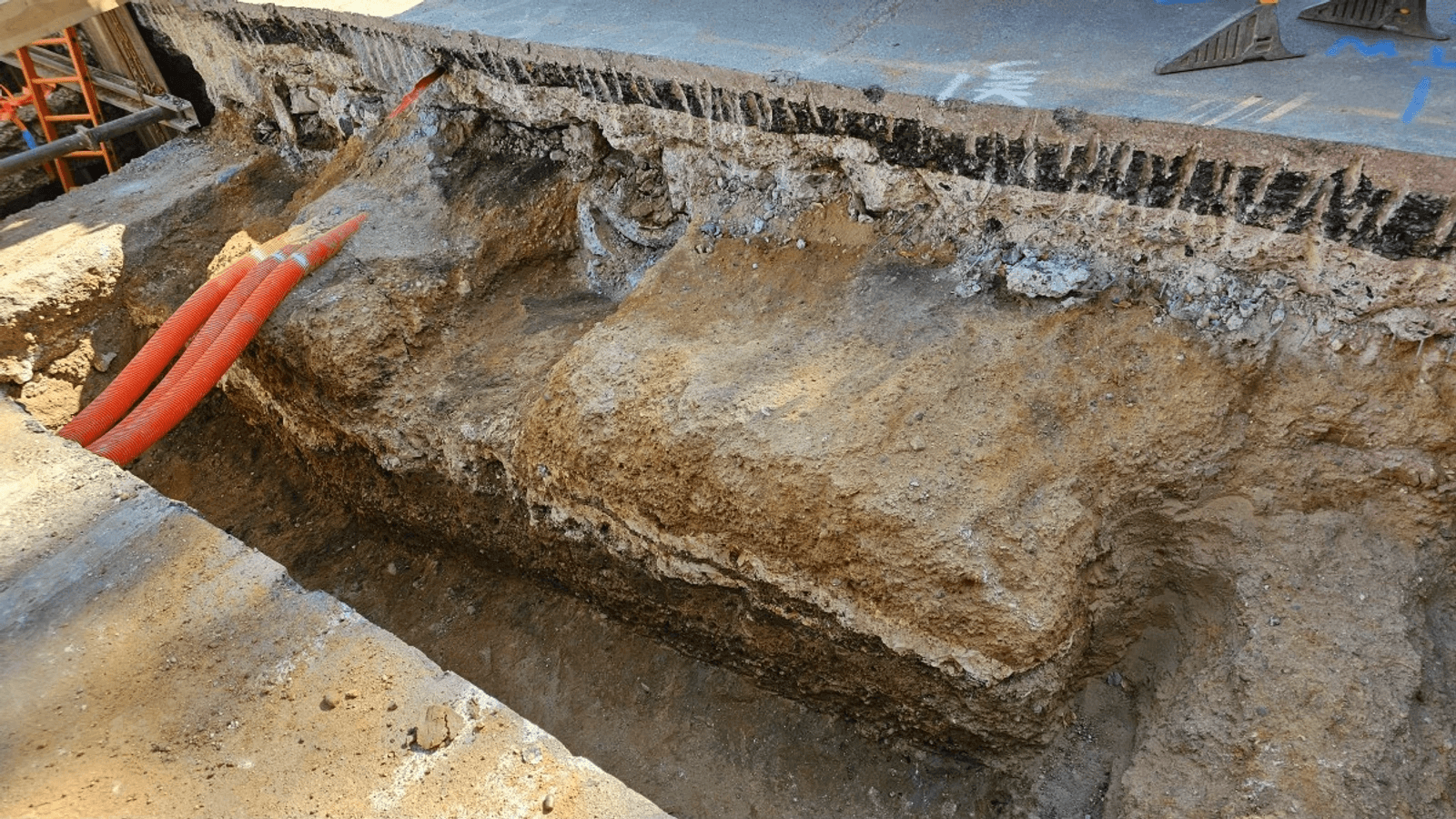
Part of one of Britain’s most important Roman roads unearthed under London’s Old Kent Road
A section of Roman road, part of one of the most important roads built in Roman times, has been unearthed beneath Old Kent Road in south-east London. The 2,000-year-old road, known as Watling Street, was part of a route from the ancient Roman port at Dover through London to the West Midlands. Regarded as one
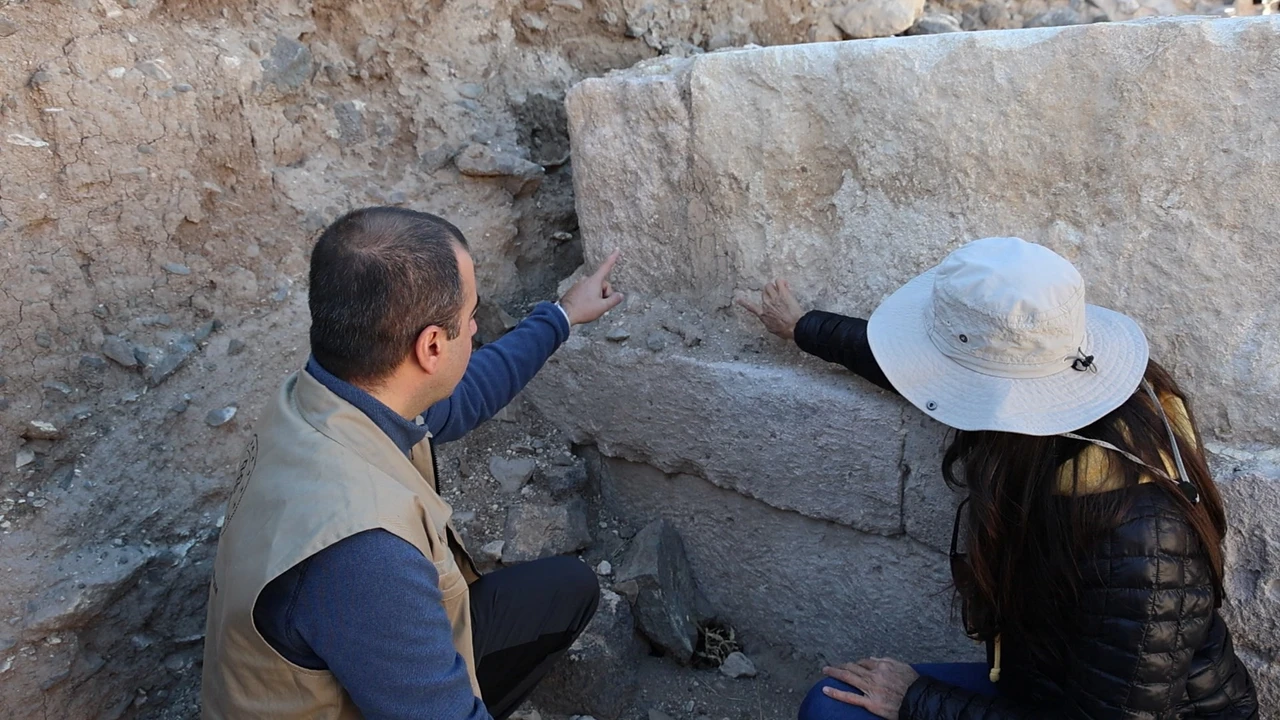
2,200-year-old fingerprints found in a burial chamber in Cappadocia
In Cappadocia, known as the land of beautiful horses, 2,200-year-old fingerprints were found during excavations in a burial chamber. Cappadocia is a region in the Central Anatolia Region of Türkiye, world-renowned for its unique natural and historical beauty. It is famous for its fairy chimneys formed by the erosion of soft tuff layers formed by
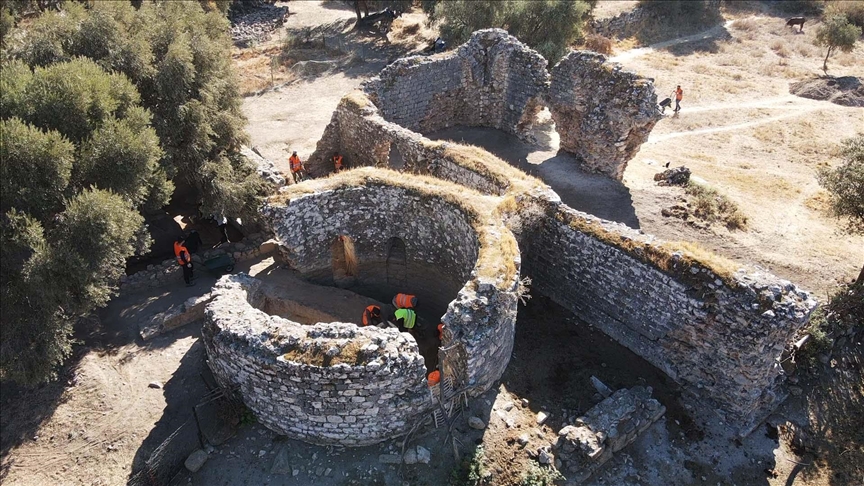
The only remaining structure of Herakleia, the Roman Bath, has begun excavation
Archaeological excavations have begun at the Roman Bath, the only remaining structure of the ancient city of Herakleia, named after the hero Heracles from Greek mythology. Herakleia was established on the shores of the Latmos Gulf, an extension of the Aegean Sea. It is located near the village of Kapıkırı in the Milas district of
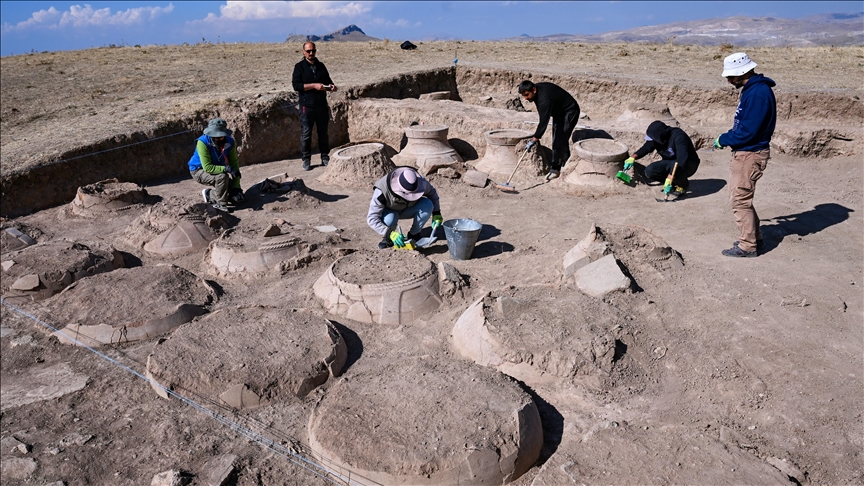
Dozens of cuneiform inscribed pithoi belonging to the Urartians were found at the foothills of Mount Erek
In the easternmost part of Türkiye, in the İpekyolu district of Van, archaeological excavations at the castle ruins on the foothills of Mount Erek have uncovered cuneiform inscribed pithoi used for storing oil, grain, and beverages during the Urartian period. The castle ruins, which are considered one of the important settlement sites of the Urartians