
Bronze Age Breakthrough in Anatolia: 3,900-Year-Old Indigo Textile and Single-Needle Knitting Unearthed at Beycesultan
A charred scrap of fabric from western Anatolia is forcing archaeologists to rethink the technological sophistication of the Bronze Age. At Beycesultan Höyük, a major mound settlement in inland western Türkiye, researchers have identified the earliest known indigo-dyed textile in Bronze Age Anatolia—alongside the region’s first evidence of a complex single-needle knitting technique known as nålbinding.
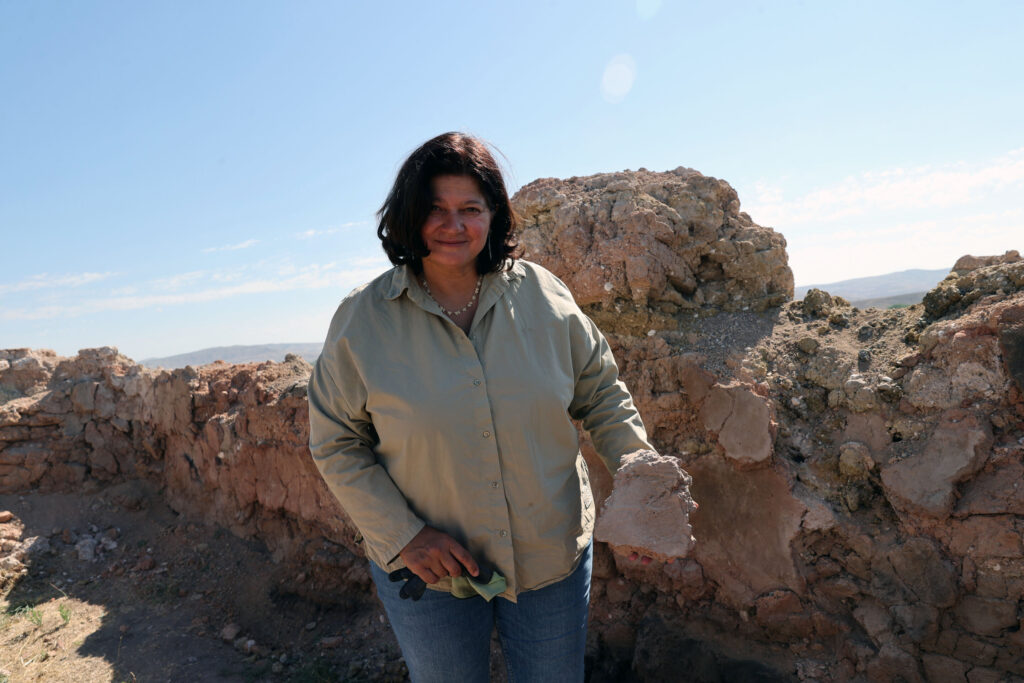
The discovery, led by Assoc. Prof. Dr. Çiğdem Maner of Koç University and published in Antiquity, opens an unexpected window onto textile innovation nearly 4,000 years ago.
The Oldest Nålbinding in Anatolia
The first textile fragment was recovered during excavations conducted between 2016 and 2018. Radiocarbon dating places it between 1915 and 1745 BC, in the Middle Bronze Age. The fabric had adhered to the floor of a burnt structure—its carbonization ironically preserving it in a region where soil humidity typically destroys organic remains.
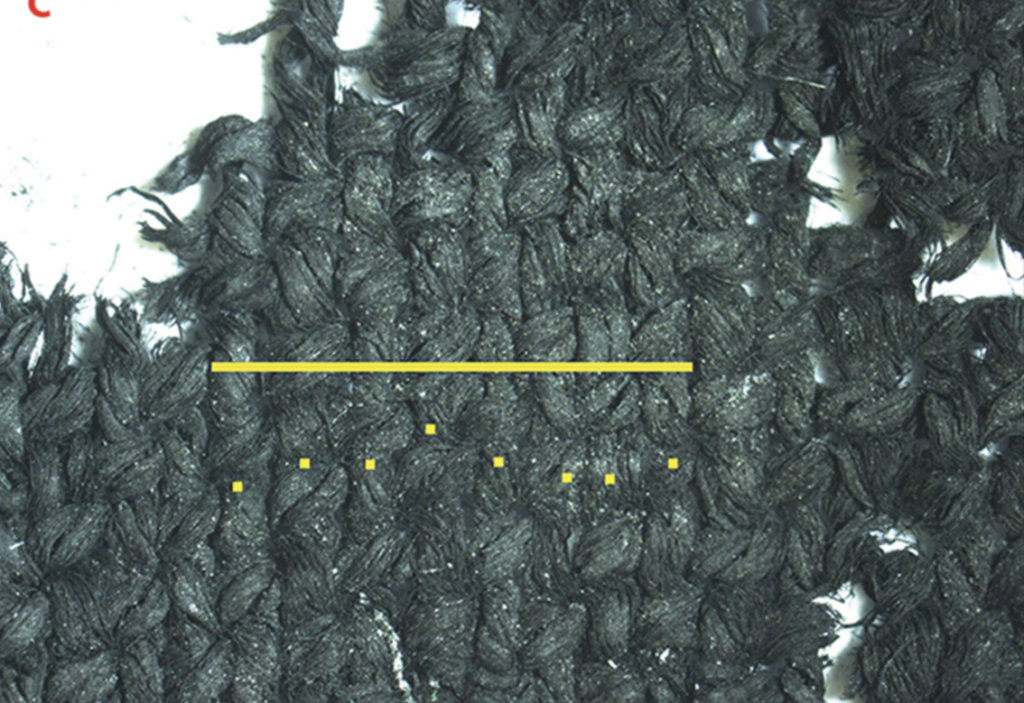
Microscopic and chromatographic analyses revealed something extraordinary. The textile was not woven on a loom. Instead, it had been constructed using nålbinding, a technique in which yarn is looped with a single needle to create a dense, durable fabric. Unlike later knitting, nålbinding involves short lengths of yarn passed repeatedly through existing loops, producing a robust textile structure.
📣 Our WhatsApp channel is now LIVE! Stay up-to-date with the latest news and updates, just click here to follow us on WhatsApp and never miss a thing!!
This marks the earliest known example of the technique not only in Anatolia but in the wider Near East.
Such a finding significantly expands our understanding of early textile technologies in the Eastern Mediterranean. It suggests that Bronze Age craftspeople were experimenting with—and mastering—techniques previously undocumented in the region.
The Earliest Blue: Indigo from Woad
Even more striking is the color.
Scientific analysis determined that the hemp fibers were dyed with indigo derived from woad (Isatis tinctoria), making it the oldest blue-dyed textile so far identified in Bronze Age Anatolia.
Blue textiles in antiquity were never trivial. Producing indigo dye required botanical knowledge, chemical processing, and technical control. The presence of such a dyed fabric at Beycesultan implies a level of expertise that goes well beyond household production.
In cuneiform archives from Mesopotamia and the Hittite world, blue wool and garments appear as luxury items associated with royalty and elite exchange. Blue fabrics also feature in elite visual culture—from Egyptian tomb assemblages such as that of Tutankhamun to the frescoes of Minoan palaces—where the color signaled prestige and power.
The Beycesultan textile now adds Anatolia to this broader story of blue as a marker of status.
A Textile Workshop for the Elite?
A second textile fragment, dated slightly later to around 1700–1595 BC—likely within the Old Hittite period—was also uncovered. Unlike the first, this piece was a plain tabby weave, again made from hemp.
Both fragments were found in architectural contexts interpreted as textile workshops. Spindle whorls, loom weights, needles, and other tools were recovered in the same spaces. A disk-shaped stone weight resting directly on top of the indigo textile, combined with nearby postholes likely belonging to a loom installation, creates an unusually vivid reconstruction of a Bronze Age production environment.
Previous excavations at Beycesultan had already revealed dozens of spindle whorls and loom weights of varying mass, suggesting organized and possibly specialized textile production. The diversity in tool weight implies the manufacture of yarns of different thicknesses and fabrics of varying quality.
Taken together, the evidence points to a community capable not only of producing everyday textiles but potentially of manufacturing high-value, prestige fabrics.
Rewriting Bronze Age Innovation in Anatolia
Textiles rarely survive in Anatolian contexts. Fire, in this case, became the unlikely conservator, sealing fragile fibers in carbonized form. What remains are small fragments—but their implications are substantial.
The finds demonstrate advanced knowledge of plant fiber processing, dye chemistry, and complex textile techniques nearly four millennia ago. They challenge assumptions that Anatolian Bronze Age textile production was technologically limited or primarily domestic in scale.
Instead, Beycesultan emerges as a center of skilled craftsmanship, where innovation and perhaps elite demand drove experimentation in both technique and color.
Çiğdem Maner et al, Untwisting Beycesultan Höyük: the earliest evidence for nålbinding and indigo-dyed textiles in Anatolia, Antiquity (2024). DOI: 10.15184/aqy.2024.194
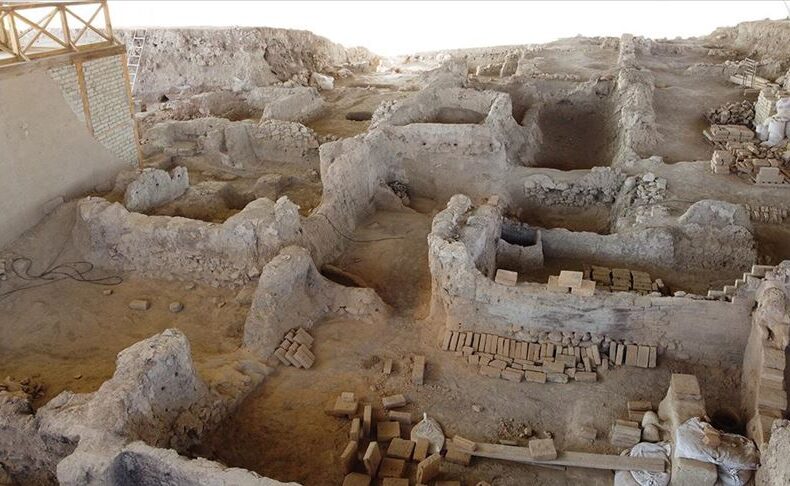
Cover Image: General view of Bronze Age architectural remains at Beycesultan Höyük in western Türkiye. Textile workshops in this region have yielded the earliest evidence of indigo-dyed fabrics and single-needle knitting in Anatolia. Source: Anadolu Agency
- A 1700-year-old statue of Pan unearthed during the excavations at Polyeuktos in İstanbul
- The granary was found in the ancient city of Sebaste, founded by the first Roman emperor Augustus
- Donalar Kale Kapı Rock Tomb or Donalar Rock Tomb
- Theater emerges as works continue in ancient city of Perinthos
- Urartian King Argishti’s bronze shield revealed the name of an unknown country
- The religious center of Lycia, the ancient city of Letoon
- Who were the Luwians?
- A new study brings a fresh perspective on the Anatolian origin of the Indo-European languages

- Perhaps the oldest thermal treatment center in the world, which has been in continuous use for 2000 years -Basilica Therma Roman Bath or King’s Daughter-

- The largest synagogue of the ancient world, located in the ancient city of Sardis, is being restored
Leave a Reply